Introduction
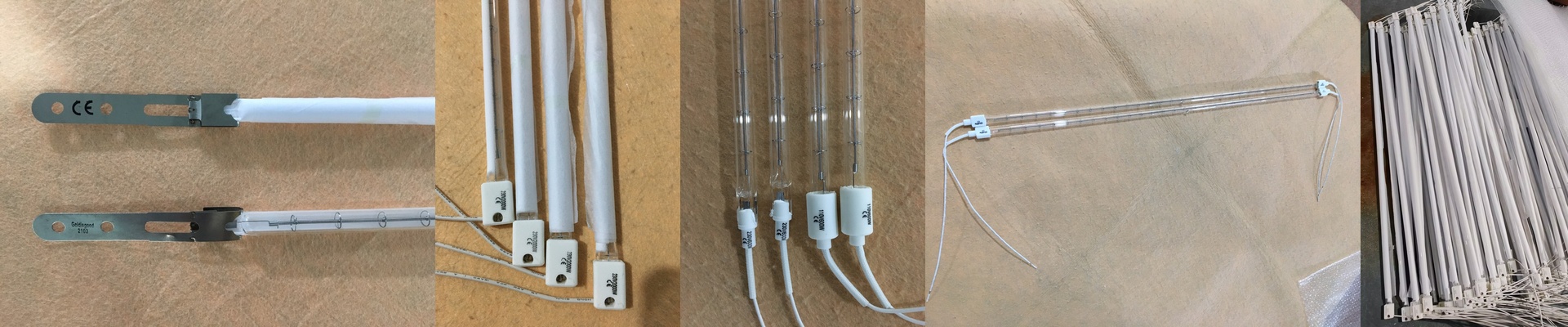
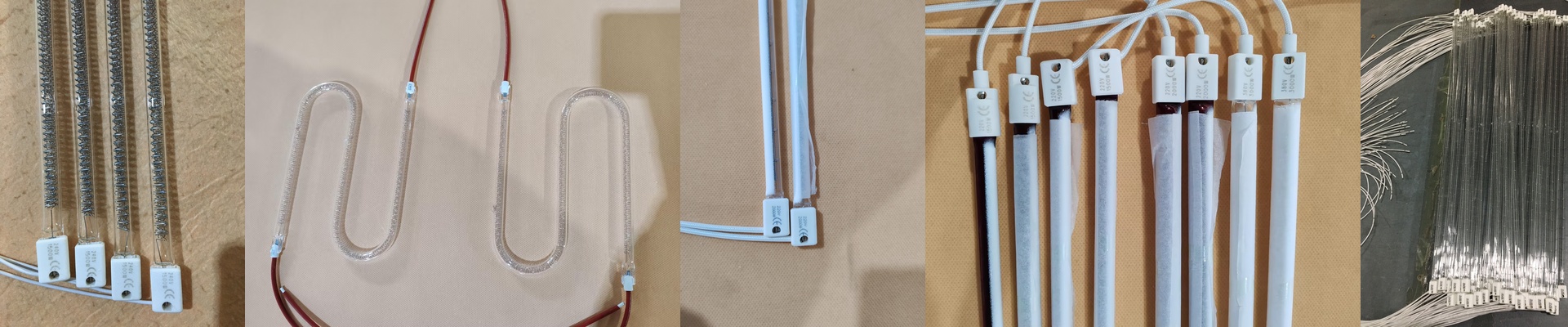
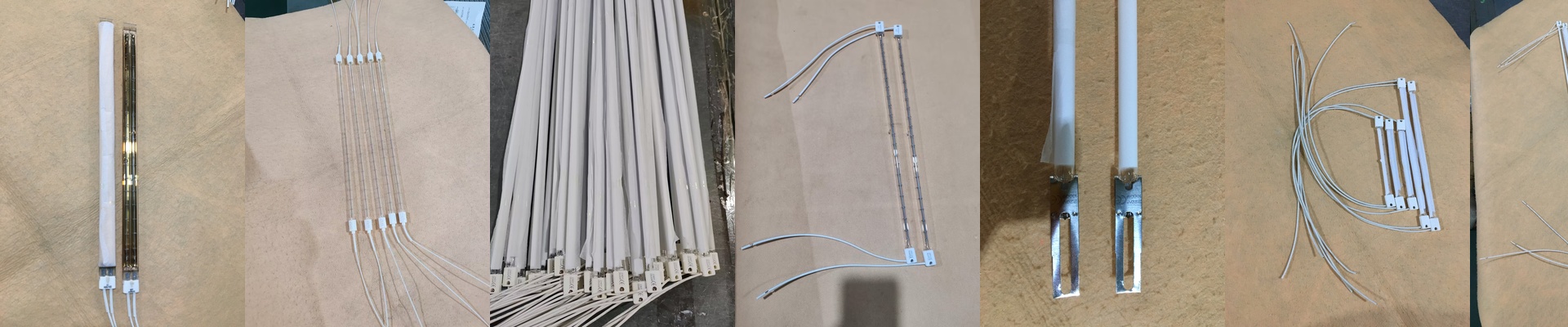
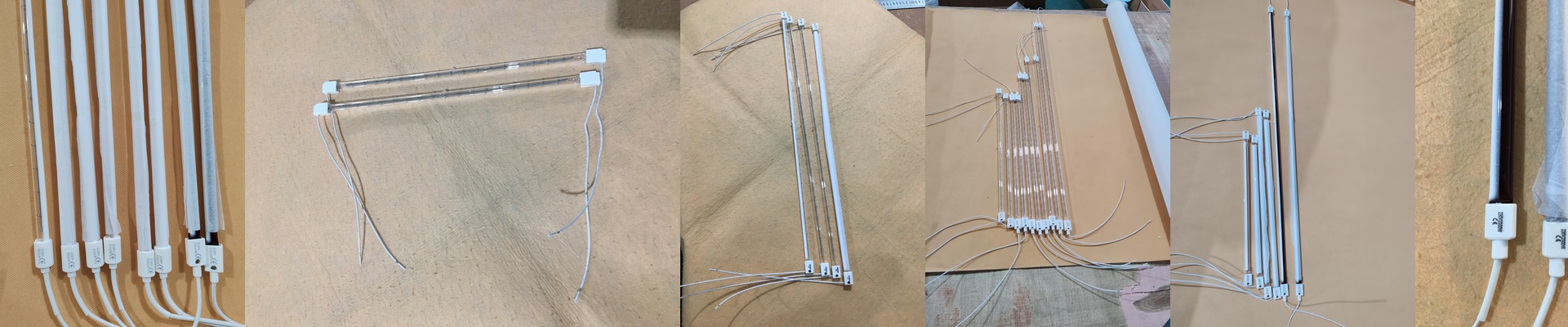
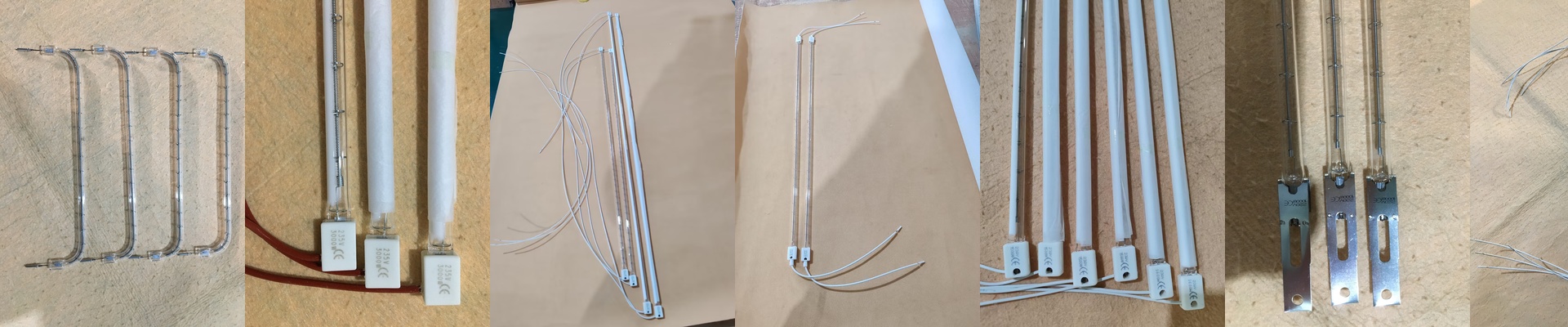
We build the 500W 220V halogen heat lamp as a compact, high-intensity thermal source for industrial heating tasks. This unit is spec’d to deliver predictable heat output in tight spaces where you need fast response and a small footprint. It is designed for direct integration into machinery and process lines that require concentrated infrared energy.
Technical Deep-Dive: Power, Voltage, and Dimensions
The 500W rating is not arbitrary. It is a practical power level for applications that need high heat density without pulling large current or requiring heavy wiring. At 220V, the current draw is approximately 2.27A. That makes it compatible with standard 220V supply legs and control circuits commonly found on factory floors. The 430mm overall length is a compromise between heat concentration and physical clearance. A shorter envelope concentrates the infrared field, but it also forces a tighter hot zone around the lamp. We chose 430mm to give you enough radiant coverage while still fitting into compact heating modules. If you run this lamp in a confined reflector housing, you need to ensure ventilation. A 500W source will raise local ambient temperature fast, and that can shorten electronics life if the design does not account for airflow.
Material and Design: Halogen, Quartz, and Connector Choice
Halogen technology matters because it keeps the filament stable at high temperature. Inside the quartz envelope, the halogen cycle reduces blackening by redepositing evaporated tungsten back onto the filament. The result is consistent output over the life of the lamp and stable resistance during operation. The quartz tube is selected for high thermal shock resistance. It handles rapid power cycling better than glass, which matters when you turn heat on and off repeatedly during production. The halogen fill also allows the filament to run hotter, which increases the proportion of infrared output relative to visible light. That improves coupling into dark, absorptive targets and reduces wasted energy. For termination, we use an R7s base. This is a straightforward, rugged connector that gives you solid contact and easy replacement. You wire it up, align the pins, and lock it in place. R7s is common in industrial heating assemblies because it handles the thermal cycling without loosening.
Application and Benefits: Why This Configuration Works
This 500W 220V halogen lamp is typically deployed where you need fast, localized heat. Think of it for preheating molds, drying coatings, curing adhesives, or maintaining temperature on short process runs. The 500W power gives you enough punch to raise surface temperature quickly, and the 220V supply keeps the electrical interface simple. The 430mm form factor allows you to build a narrow heating zone. That can be an advantage when you are trying to isolate heat to a specific part of the line without heating the entire machine bay. The halogen cycle provides stable output, so your temperature profile does not drift as the lamp ages. Trade-off: high-intensity heat comes with management requirements. The lamp runs hot, and the surrounding mounting hardware sees that heat. You must provide adequate clearance and heat shielding, and you should pair the lamp with a properly rated thermostat or control that prevents overshoot. When you spec out a 500W halogen heat lamp, you are buying concentrated energy—and that means your mechanical design has to handle the consequences of that energy. If you need a drop-in replacement or a new build that demands predictable infrared heat, this 500W 220V halogen heat lamp is engineered to meet those demands with straightforward integration and repeatable performance.