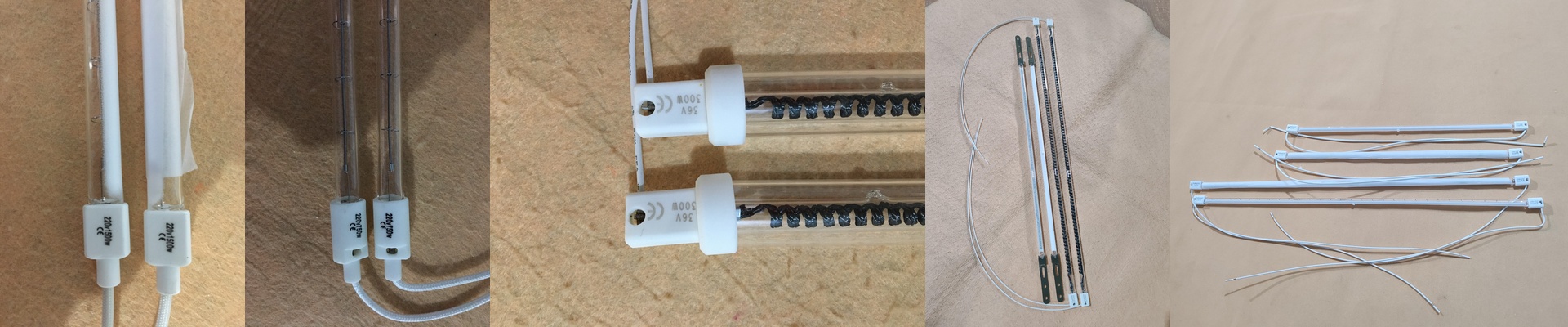
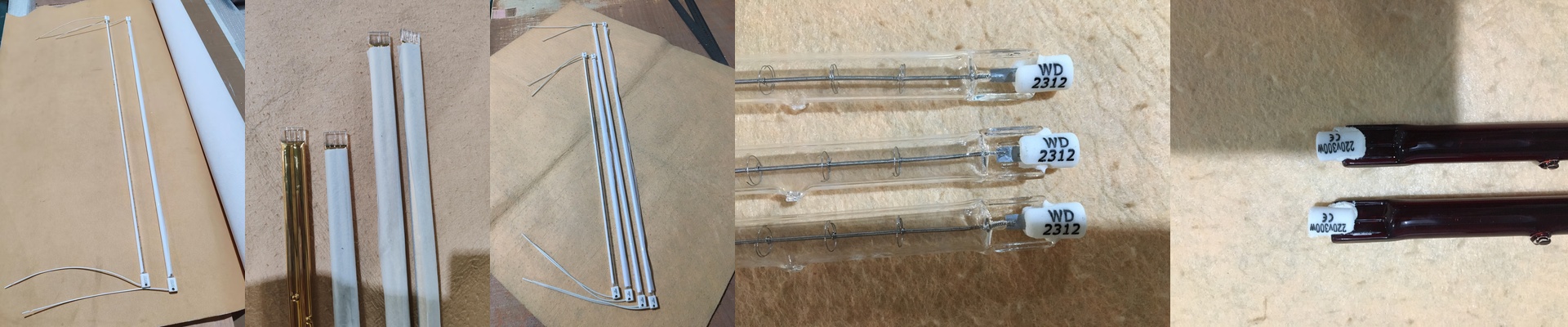
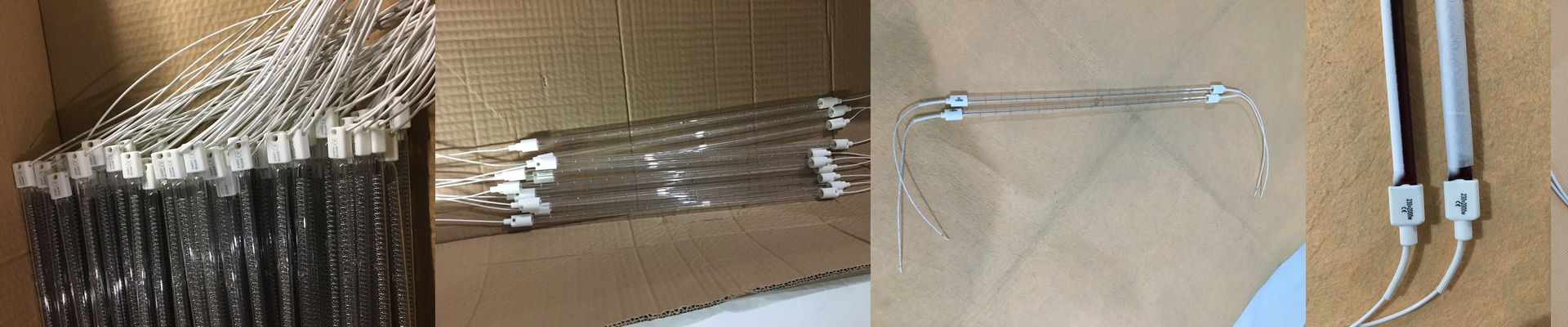
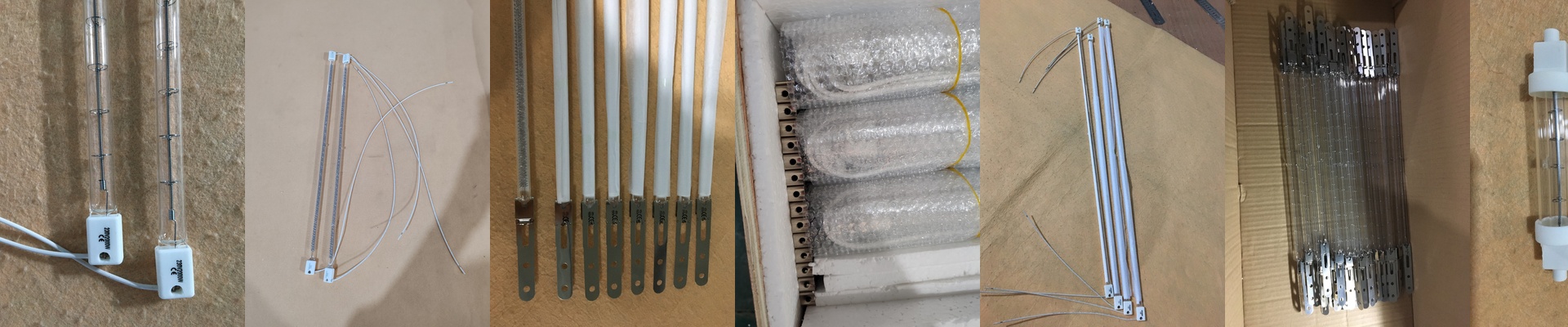
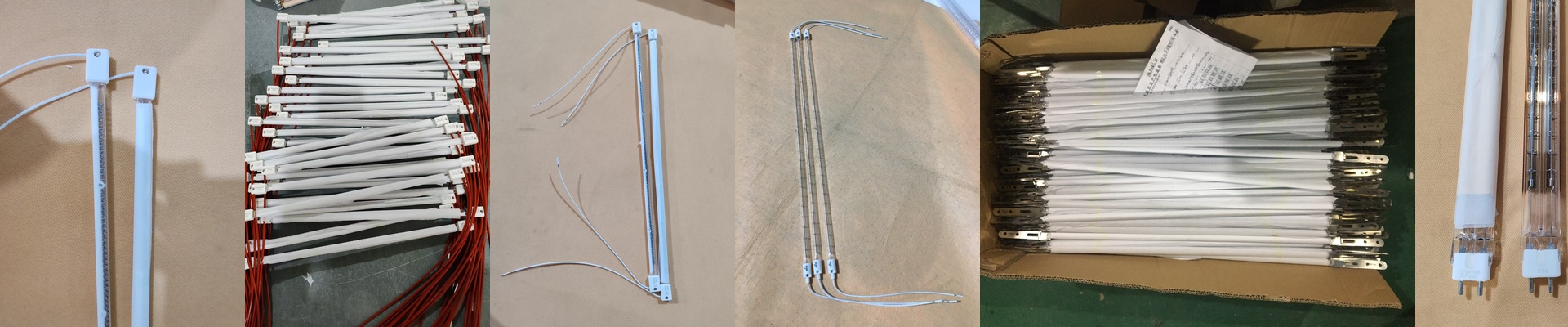
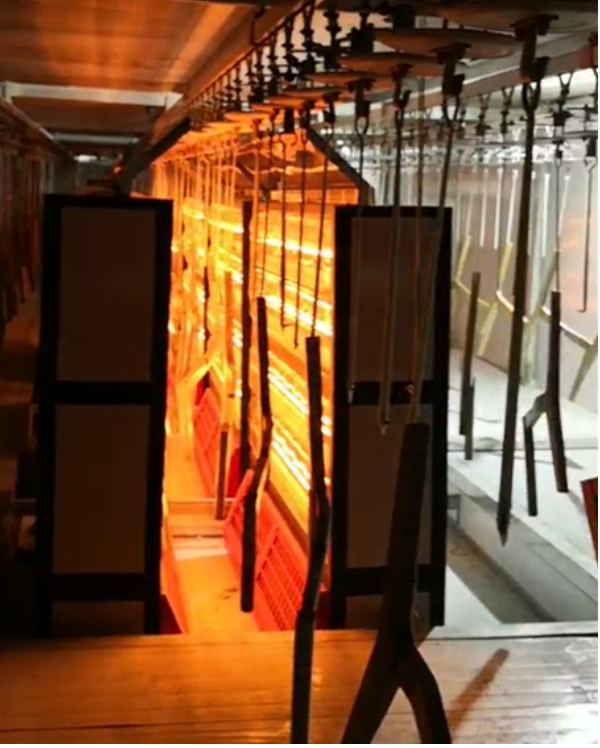
One of our clients—a big aluminum plant—spent six months fighting a losing battle with their curing process. Their profiles were coming off the line as a mess. Some spots were scorching while others stayed ice cold. It was a nightmare. They were tossing entire batches into the scrap bin because the cure just wasn’t hitting evenly. When we got in there to look at the thermal layout, the problem jumped out at us. They were using generic heating elements that just weren’t built for the shape of their parts. The heat wasn’t going where it needed to go. The problem with “generic” heat Here’s the thing: it’s not just about how much heat you throw at a part, but how that heat is spread out. We ripped out those basic heaters and swapped them for high-density infrared lamps. We didn’t guess on the specs, either. We sat down, crunched the numbers on the surface area of the aluminum, and picked lamps with a precise wattage-per-centimeter. The goal? Get the core of the metal up to temperature without burning the outside to a crisp. We also switched them over to shortwave IR. It penetrates much deeper into the aluminum than the longwave stuff, which means the parts spend way less time baking in the oven. Getting the hardware right We decided to stop treating the oven like one big toaster. Instead, we built a zoned heating array. Now, the operator can actually dial in the temperature for the edges separately from the center. It gives them a level of control they never had before. To keep things efficient, we used quartz glass envelopes with special coatings. These basically act like mirrors, pushing the heat forward onto the workpiece instead of letting it leak back into the machine frame. And since we hated the way simple on/off switches cause temperature spikes, we wired everything into a PID control loop to keep things steady. The catch Now, this isn’t just a “plug and play” upgrade. More heat density means you’re pushing the electrical system harder. If you just drop these lamps in without checking your gear, you’re going to blow a breaker. We actually had to upgrade the plant’s contactors because the old ones would have burned out under the new load. But once that was sorted? Total victory. The thermal profile is now flat across the entire piece. No cold spots, no scorched edges, and—most importantly—no more scrap.