Introduction
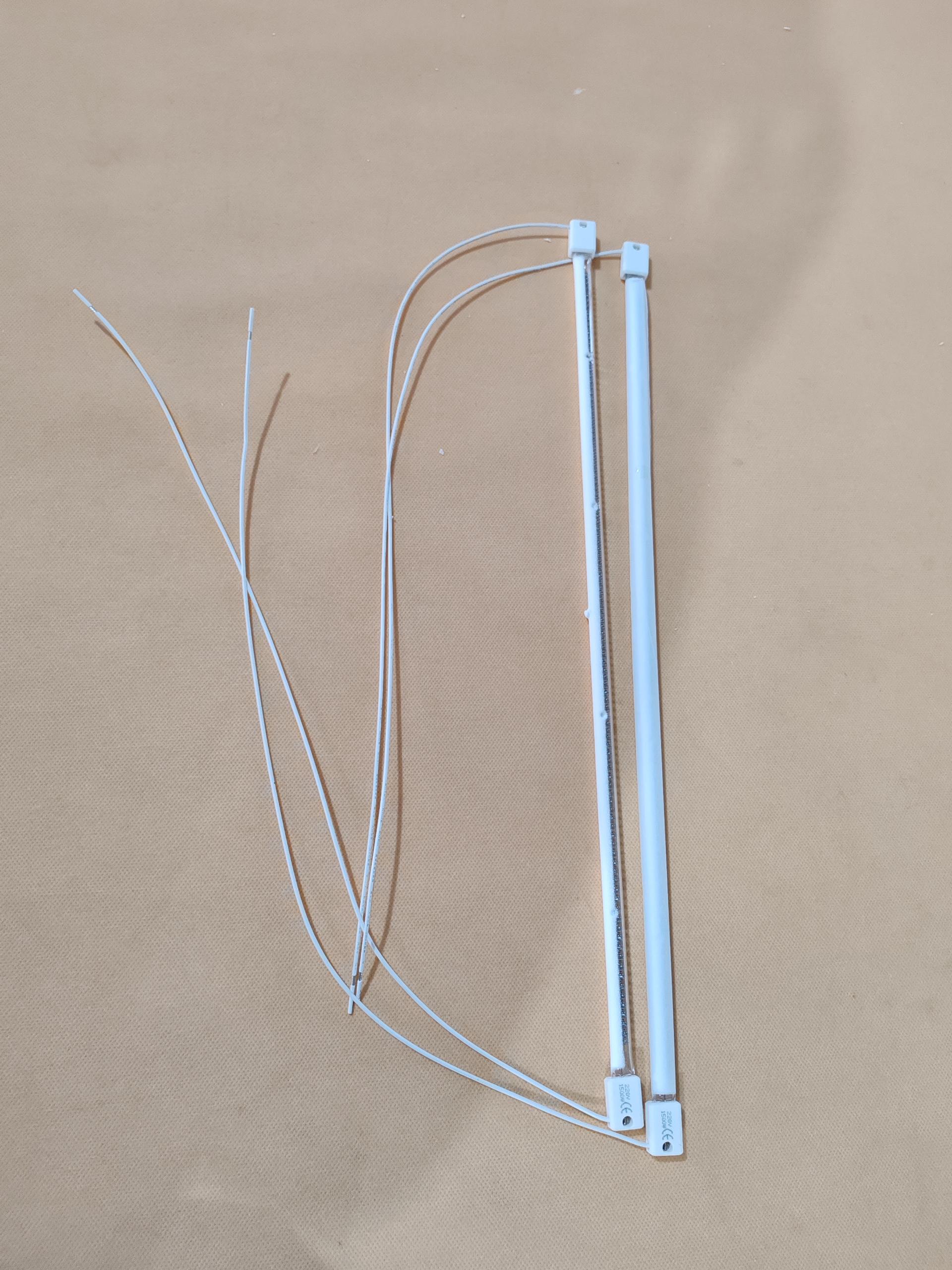
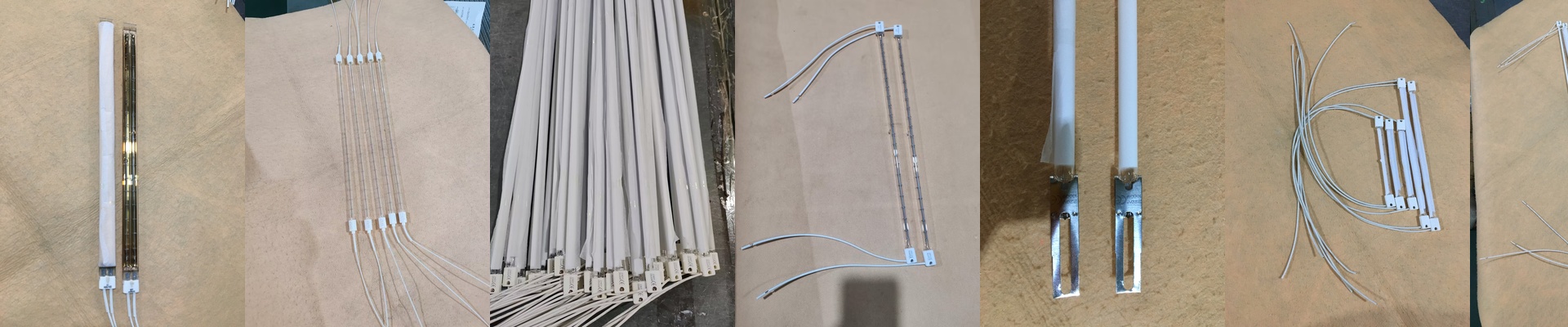
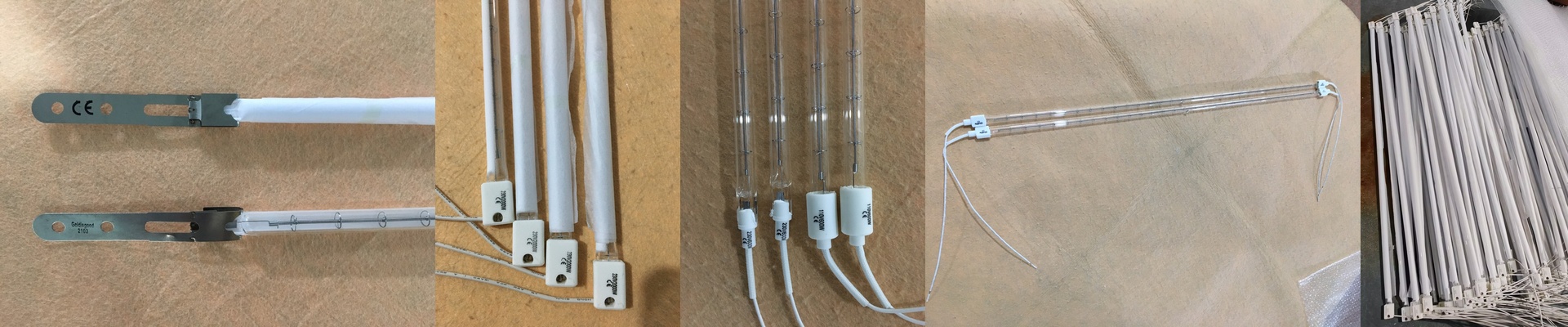
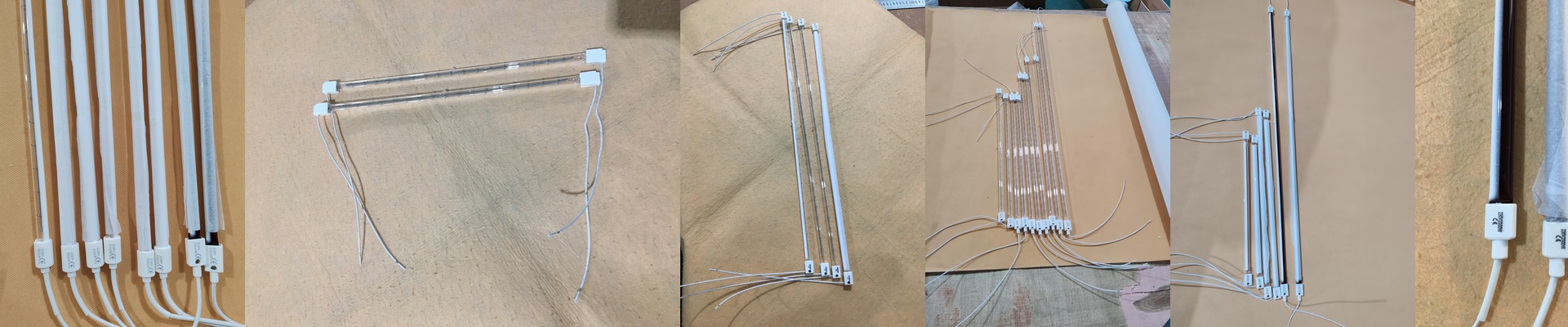
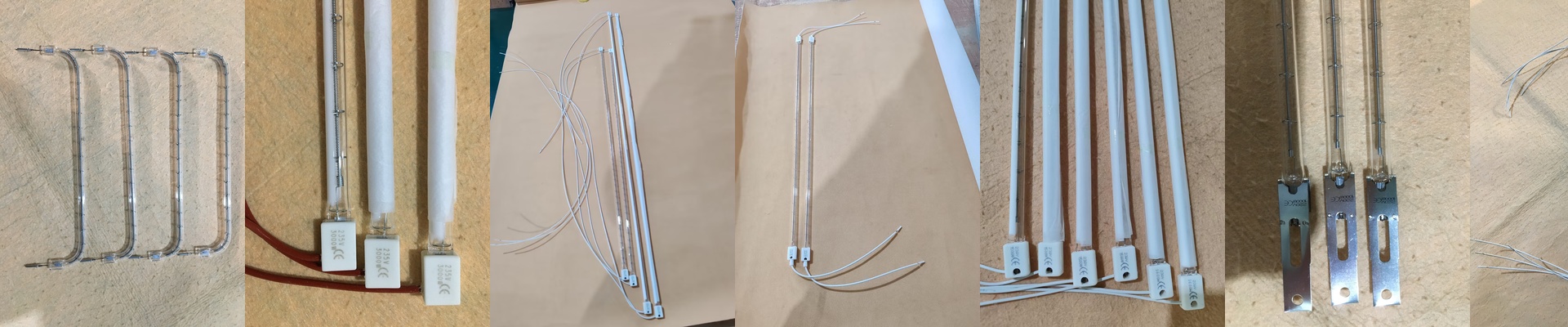
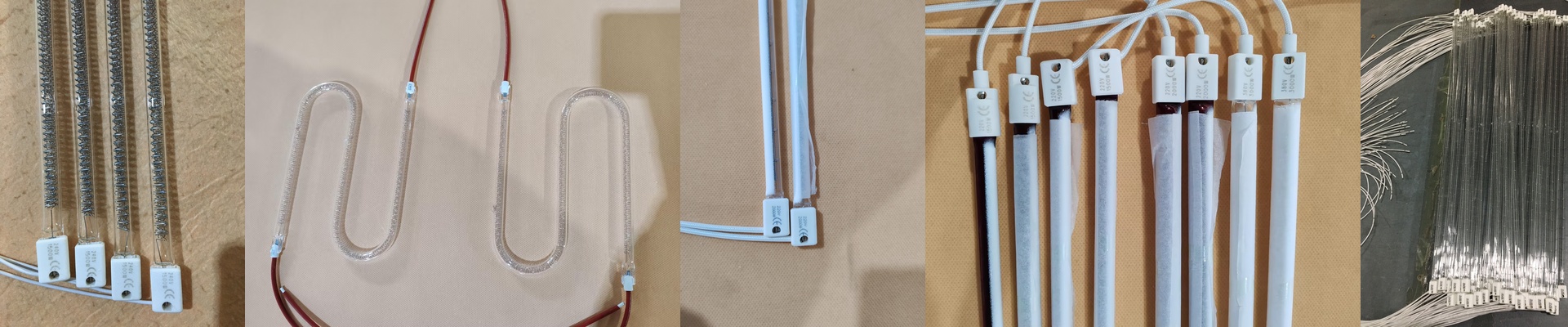
Here’s the thing: if you need a heat source that’s small, turns on instantly, and just holds steady, we’ve got you covered with our halogen infrared lamps. We built these for engineers who are tired of bulky heaters that can’t fit in the tight spots. The magic happens inside a quartz tube, packed with halogen gas and a tightly wound filament. It’s how we pack serious power into a tiny package. When you’re sizing up a heating solution, none of the details are random. The wattage, voltage, length, and connector are all chosen to match the heat your project needs and the space you have to work with.
Power, Voltage, and Size—Let’s Get Practical
When you’re looking at these lamps, wattage and voltage are your two main dials. They control how much current the lamp pulls and how much heat you get where you need it. Go with higher wattage, and you get that heat fast. But keep in mind, that also means your power supply and other components need to be ready to handle the extra load. Voltage matters, too. If your system runs on 400V, a 400V lamp is a no-brainer. It saves you from needing extra transformers and keeps your wiring clean and simple. Then there’s the length. A 300mm tube is perfect for focusing heat into a small, specific zone. It slips into places bigger heaters can only dream of. But here’s the trade-off: cramming that much power into a short tube means the surface gets seriously hot. You need to be mindful of the heat stress on the lamp itself and whatever it’s mounted to.
What’s Inside: The Quartz, the Gas, and the Base
We use quartz for a simple reason—it can handle extreme heat and lets that infrared energy pass through without a hitch. Inside, the halogen cycle is constantly working to keep the filament clean, even at scorching temperatures. This means the output stays consistent over the lamp’s life. No more frustrating fade-out you get with standard incandescent bulbs. And the R7s base? It’s just a solid, dependable way to wire the lamp. It gives you a secure mechanical fit and a reliable electrical connection, so the lamp stays put even when things get shaky or hot. Plus, it’s a direct fit for many existing fixtures, which makes upgrades on the factory floor a breeze.
Where It Shines (And What to Keep in Mind)
These lamps are built for one thing: fast, focused heat. Think plastics processing, coating curing, drying components—any job that needs heat right here, right now. Because they respond so quickly, you can flip the heat on and off with precision. No waiting around. That makes your process easier to control. And since the heat is concentrated, you’re not wasting energy heating up everything else in the room. But let’s be real. That kind of power in a small space means you have to plan for cooling. If you’re using a short, high-wattage lamp, you need to make sure you’ve got the heat sinking and airflow sorted. When you’re laying things out, match the lamp’s voltage to your control cabinet, make sure your power supply can handle the initial surge, and double-check your clearances. Safety first, always.