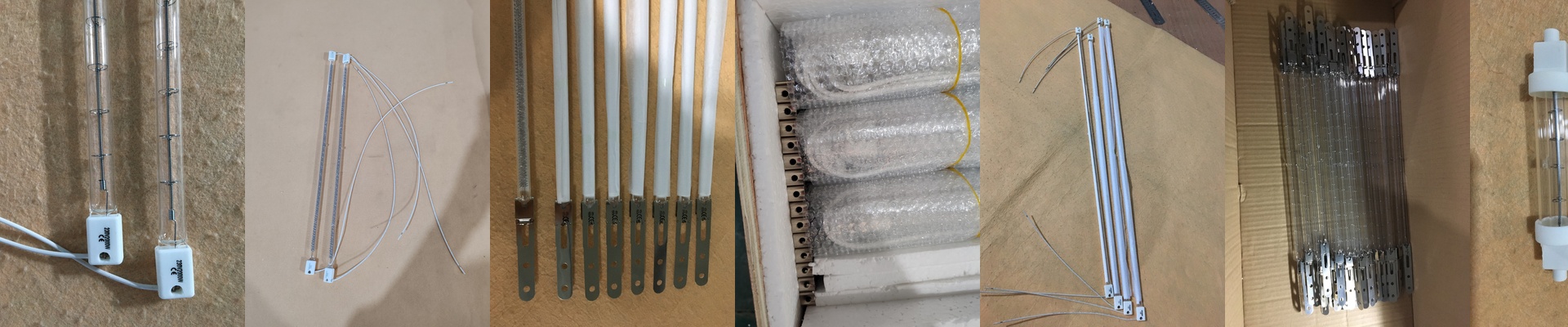
618mm Halogen Lamp Replacement: The 400V, 2000W Workhorse for Industrial Heat
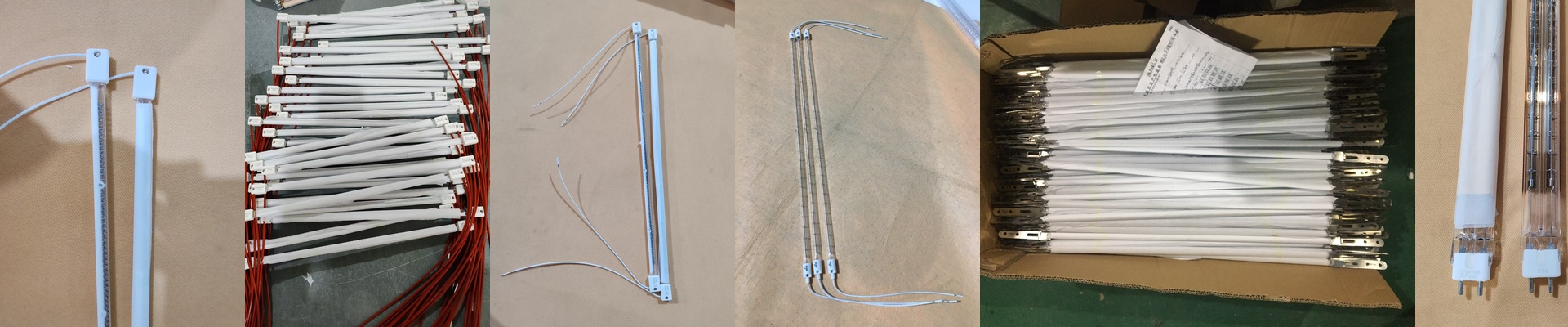
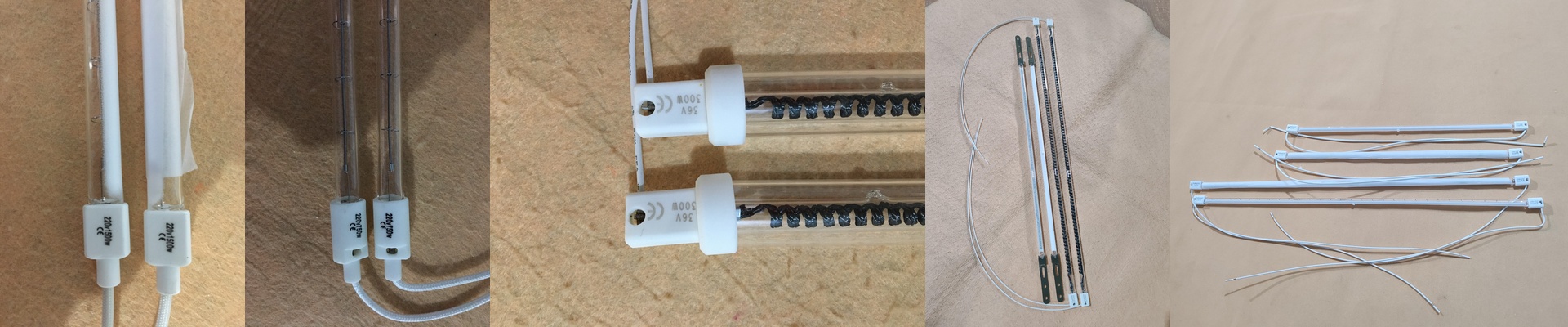
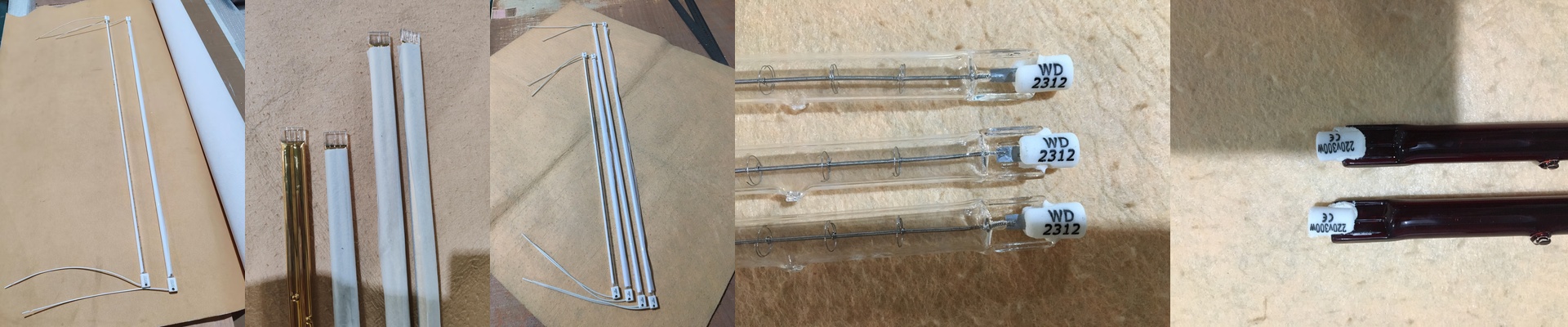
We built this 618mm halogen lamp replacement for one simple reason: to give you heat you can count on. It’s the kind of dependable, high-density warmth you need when space is tight and reliability can’t be negotiated. If you’re swapping out an old heating run, this unit slides right in at 400V and 2000W, giving you the power to heat up fast.
Why the 400V, 2000W combo actually matters
Here’s the thing about that 2000W rating at 400V—it’s not just numbers on a spec sheet. Running at a higher voltage drops the current for the same wattage, which means less strain on your wiring and less wasted energy heating up the terminals. The payoff? The socket area stays cooler, and your control system can cycle the lamp more smoothly. No surprises, just steady, predictable performance.
The length is deliberate—618mm for a reason
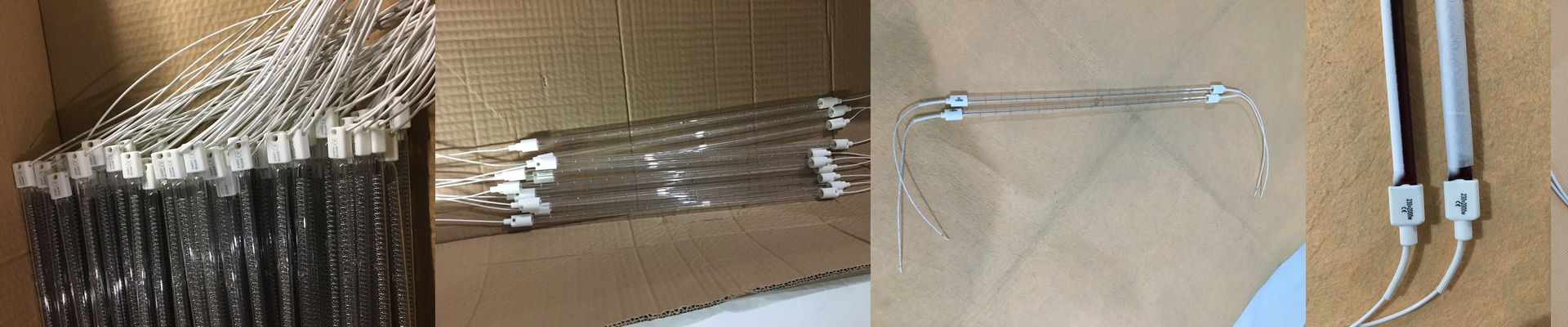
That 618mm length wasn’t chosen by accident. It fits standard machine spaces—think ovens, shrink tunnels, heating banks—so you get a long, even heat field without having to redesign the whole chamber. And because it matches common R7s sockets, the swap is quick. No fuss. Just pop it in and get back to work.
Built to last: halogen cycle, quartz body, solid connector
Inside, the halogen cycle does its quiet job, sending tungsten back to the filament so the quartz envelope stays clean. The result? The lamp keeps its output longer, and the quartz stays clear instead of turning black. The quartz body handles serious heat and shrugs off thermal shock, so it can handle repeated on/off cycles without cracking. The R7s connector keeps things straightforward. Two contacts. Fast wiring. A solid mechanical fit that gives you a clean electrical path and helps prevent hot spots.
Where this shines—and what to keep in mind
Use this lamp wherever you need heat-up speed in a compact footprint: plastics heating, sealing bars, process heating blocks. The 400V, 2000W setup packs a lot of heat density, but it does require a control circuit rated for the job and proper cooling. Plan your thermal management up front, and you get a heating run that’s reliable, easy to maintain, and just gets on with the work.