Introduction
When you’re drying textiles, picking the right infrared heater isn’t just about cranking up the heat. It’s about matching the wavelength to the fabric itself. We build both shortwave and medium-wave quartz infrared emitters for fabric finishing lines. The real question is this: which setup gives you the right kind of heat penetration and keeps your line moving at the speed you need?
Power, Voltage, and Geometry: The Practical Difference
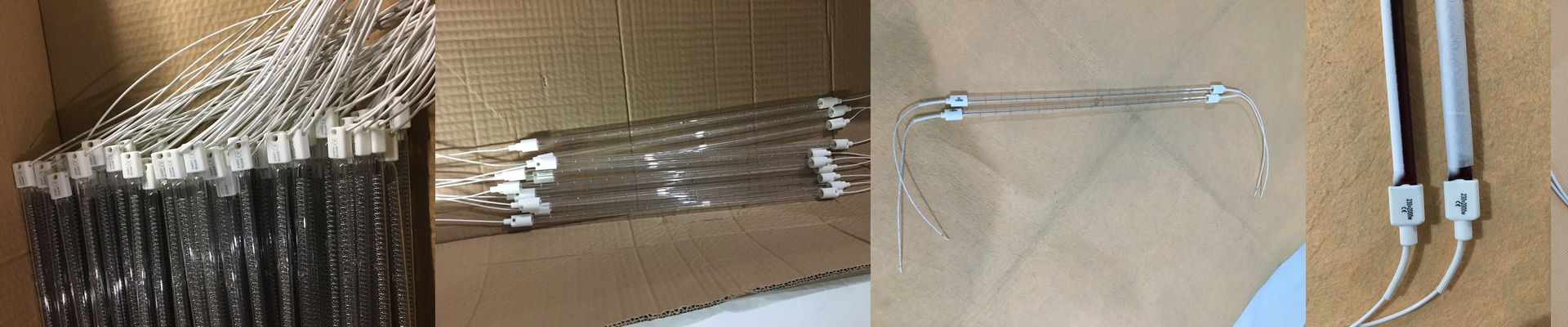
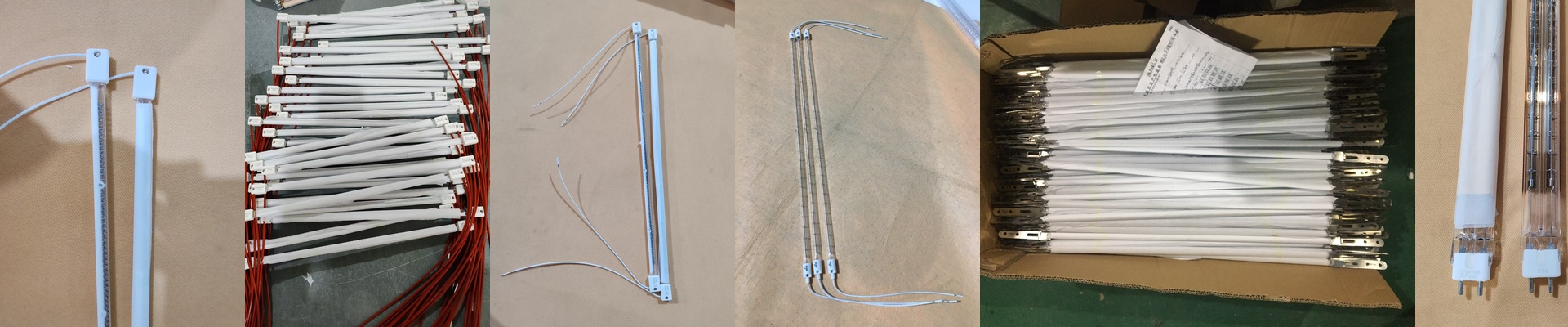
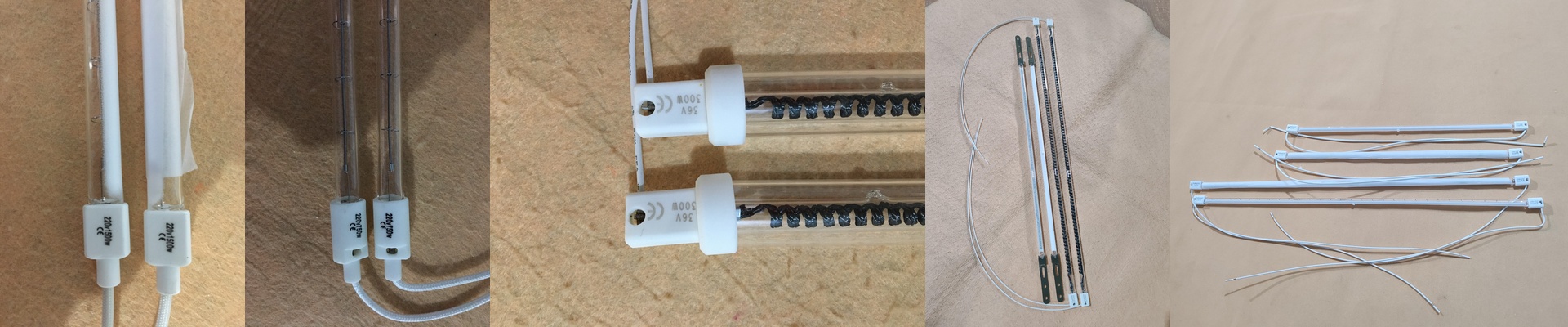
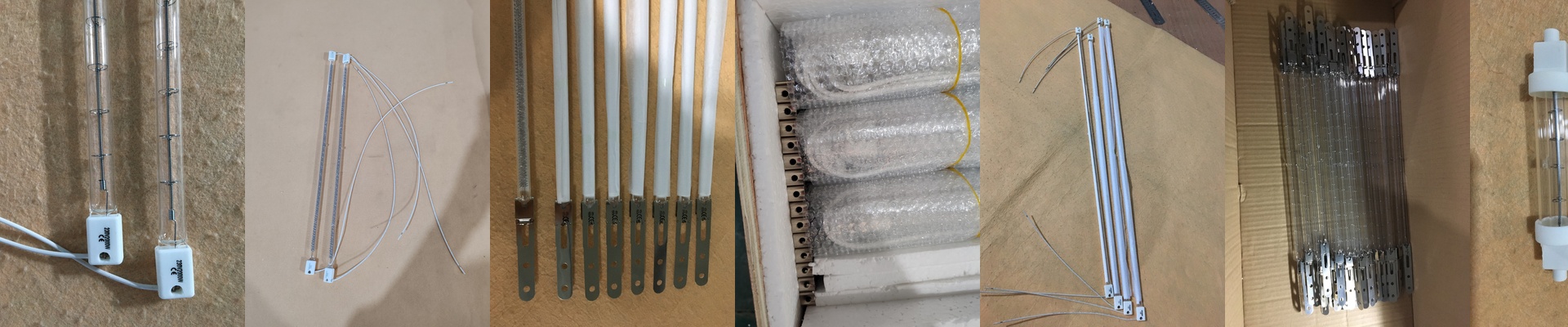
Shortwave emitters are the sprinters of the bunch. They hit hard, fast, and respond almost instantly—perfect for lines that never slow down. You can spec them for 230V or 400V, so you can match your plant’s electrical setup without overloading your wiring. And the tube length and diameter? They control how the heat spreads. Because these emitters have a small footprint, you can pack more of them into the same drying space, cranking up the total heat without taking up more floor room. Medium-wave units take a different approach. They run with less peak intensity, but deliver heat that’s steady and even. That’s exactly what you want when you’re working with coated fabrics or trying to avoid scorching the surface. We size the wattage and length to match your fabric’s dwell time and the exact temperature profile you need across the web.
The Inside Story: Quartz, Filament, and Simple Swaps
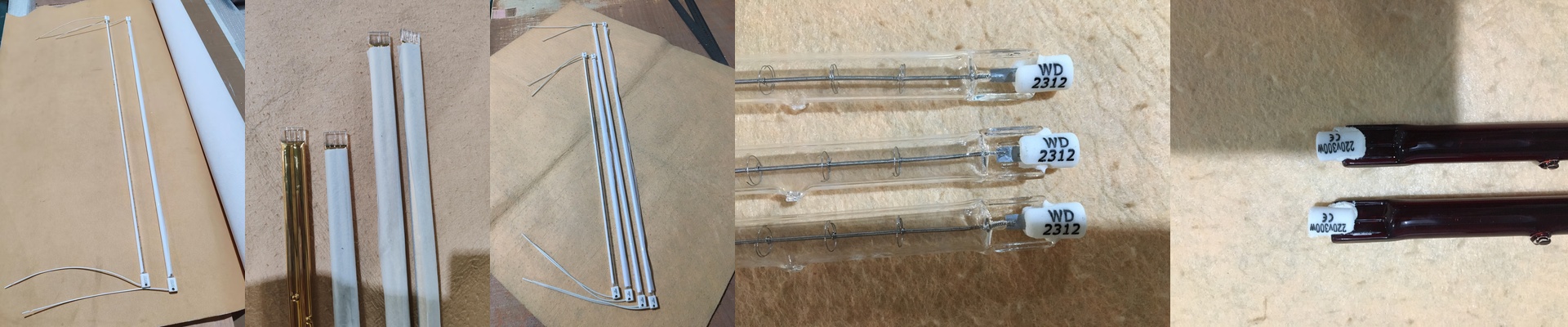
We use quartz for the envelope because it handles sudden temperature shifts without cracking, and it stays clear enough to let infrared energy through. What’s inside makes all the difference. Shortwave lamps use a tight filament that runs hot—producing intense, near-visible infrared that dives deep into the material. Medium-wave lamps use a thicker filament that runs cooler, spreading the energy over a wider area. For mounting, we stick with standard R7s end caps on straight tubes. That means swapping a lamp is quick and painless—just a drop-in replacement. And because the quartz tube is sealed tight, it keeps out drafts and grime. These lamps can take a beating in humid drying chambers and still keep putting out the same strong performance.
Real-World Results on the Line
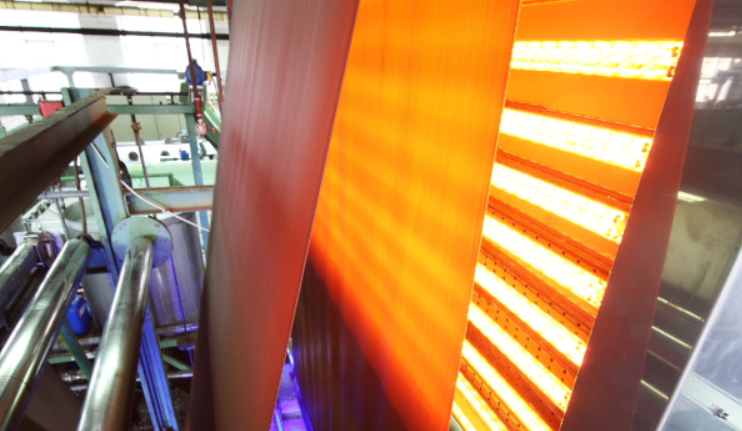
For woven and knit fabrics, shortwave infrared dries fast and sets the finish quickly—so your line speed climbs. For coated or laminated textiles, medium-wave infrared heats with control, preventing blistering and giving you a uniform cure. There’s a trade-off, of course. Shortwave packs serious heat density, so your cooling and ventilation need to be set up to handle the extra warmth in the room. Medium-wave gives you gentler control, but you’ll need a longer dwell time. We match the emitter to your actual process. So when you wire it in, it runs steady, and you spend less time on maintenance and more time getting the job done.