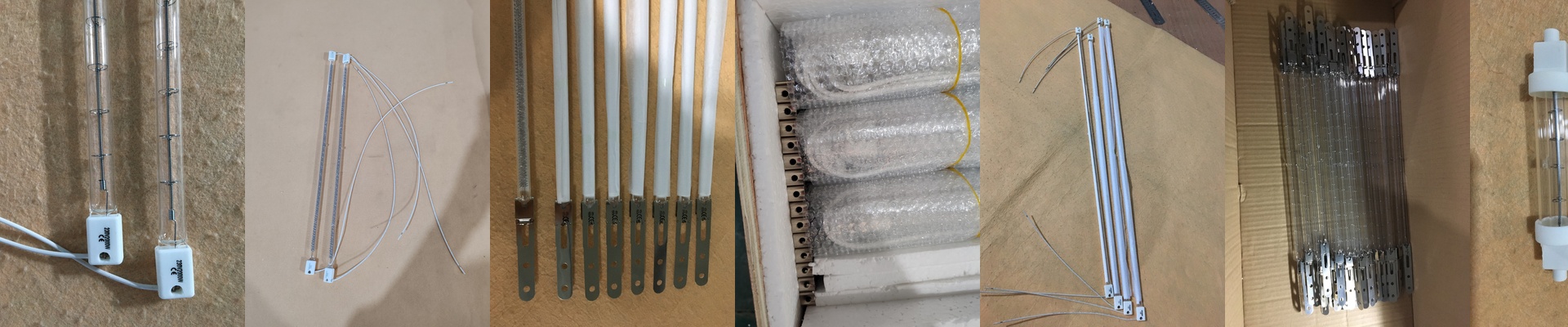
2000W Quartz IR Halogen Heating Bulb: The Specs That Actually Matter
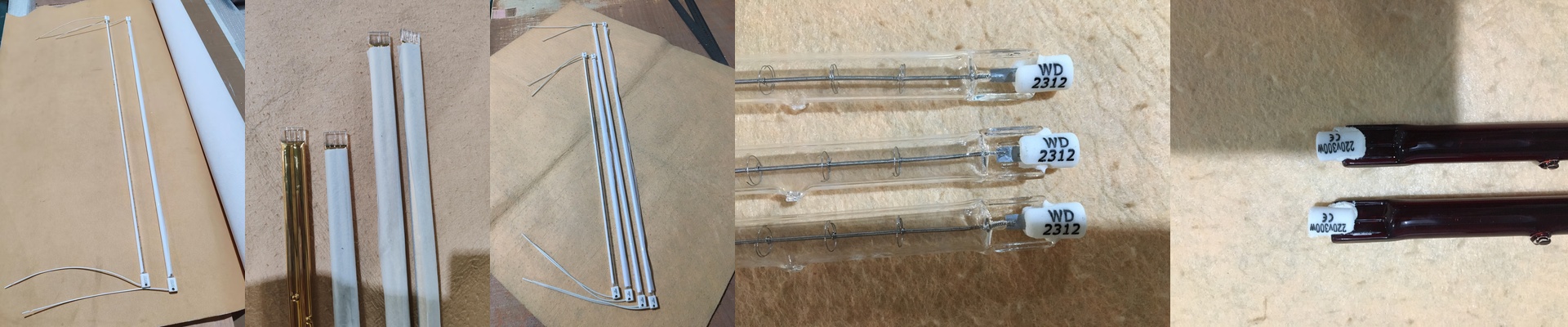
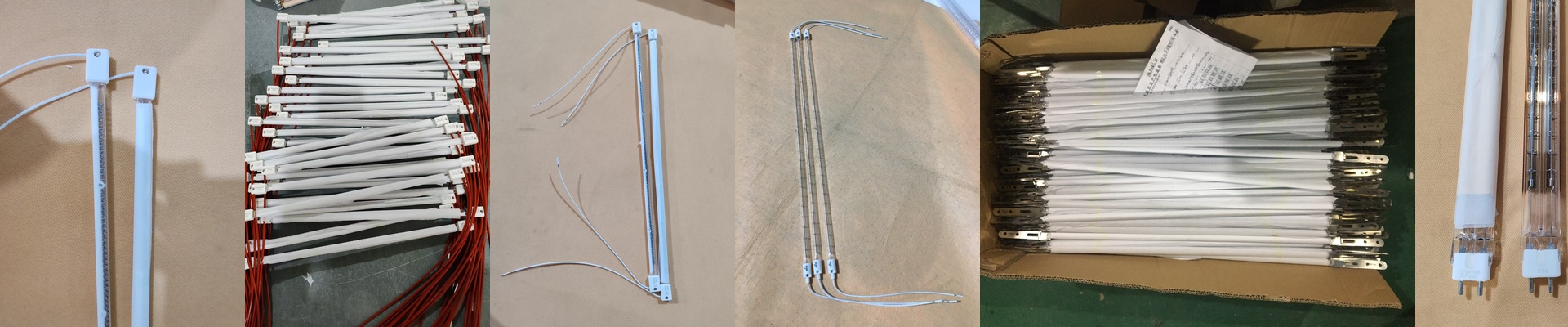
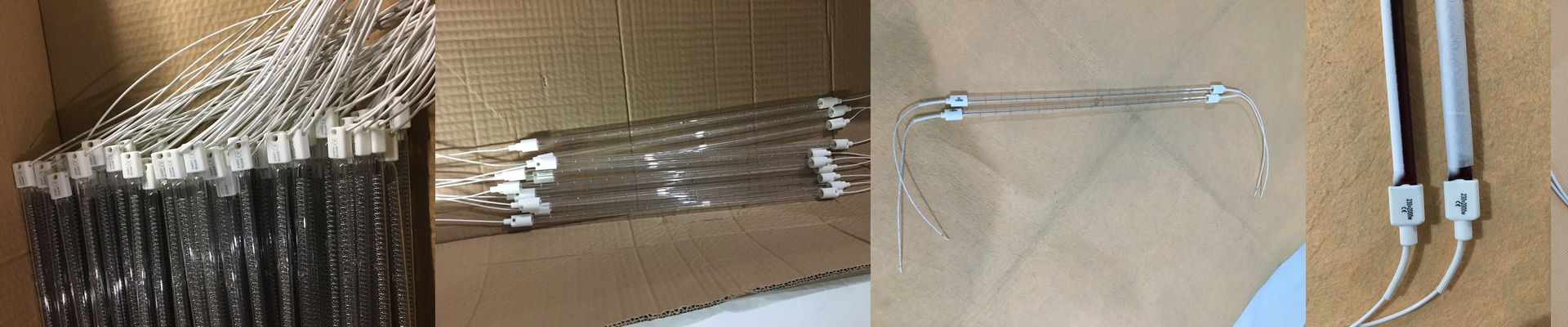
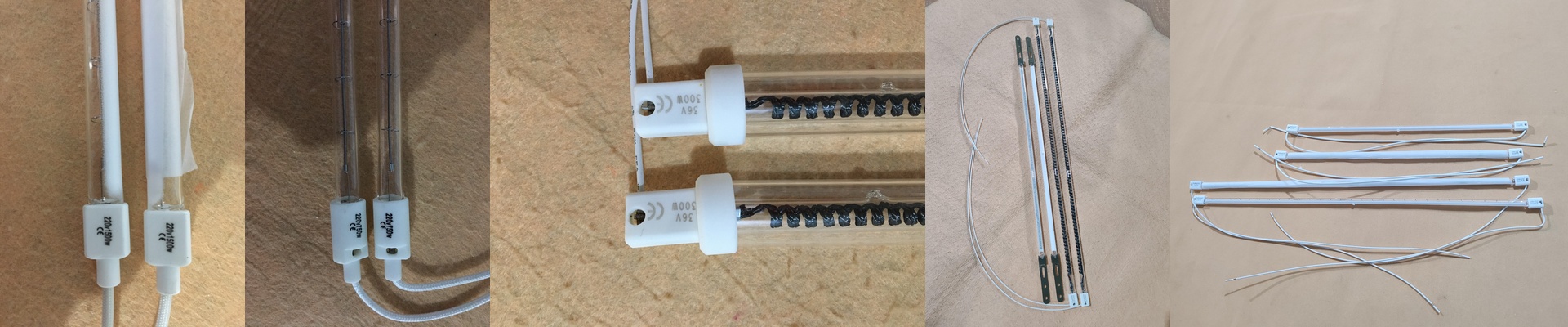
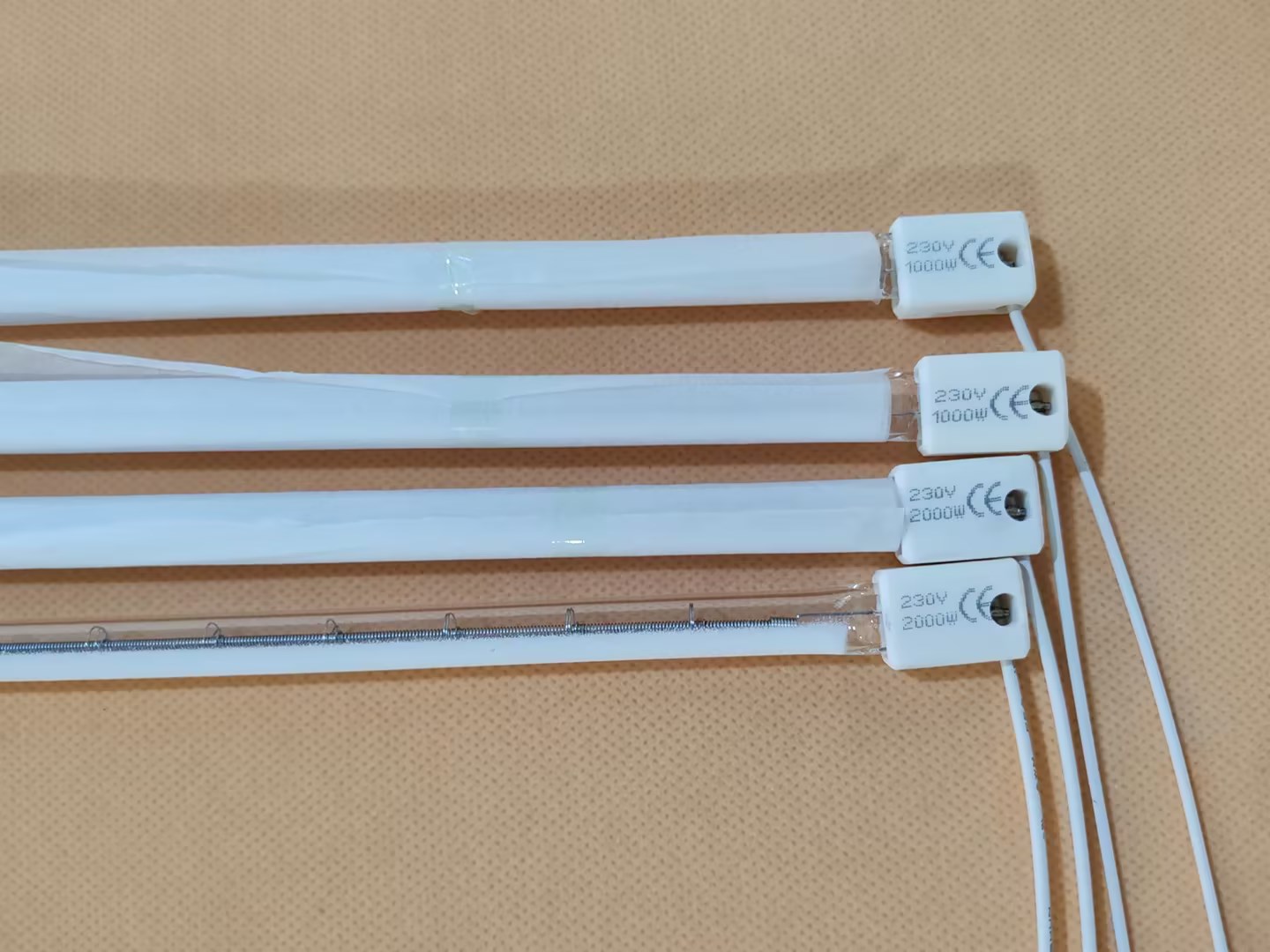
Let’s cut through the noise. If you need serious heat in a tight spot, this 2000W quartz infrared halogen bulb is built for that exact kind of punch. It’s a compact powerhouse—2000 watts focused into a small footprint—so it’s perfect when you need spot heating or want to slip it right into a process line without taking up space. And here’s the part that saves you headaches: we match voltage options to your setup. You spec the lamp to work with your control gear, so you don’t get stuck adding step-down transformers you never wanted. Plus, the physical size is designed to drop straight into standard fixtures. No reworking the machine footprint. You just swap it in and get back to work.
Why It’s Made with Quartz, Halogen, and an R7s Base
Quartz isn’t just a fancy material—it handles the shock of rapid on/off cycling without cracking. And because it runs hotter than glass, you get a faster heat-up. That means less waiting around. The halogen cycle keeps the filament stable, so the bulb doesn’t blacken over time. In other words, the heat stays consistent throughout its life—no fading, no surprises. A shortwave infrared coating is tuned to match how plastics and coatings absorb heat. That’s the difference between “meh” warmth and heat that actually couples efficiently, so your work moves faster and more evenly. Then there’s the R7s base. Simple bi-pin design. It wires up quickly and locks in solid, which means less fiddling and less downtime on the line.
Where It Shines—And What to Keep in Mind
This bulb is built for real industrial work: PET blowing, thermoforming, curing—jobs where you need heat right now, with control you can trust. It hits hard, and that’s exactly the point. But high heat density also means you need to plan for the surrounding environment. Give your equipment some breathing room with proper cooling and thermal shielding. That way, control electronics and nearby parts stay within safe temperature limits. Run it at the rated voltage, follow the mounting orientation, and you get repeatable performance—cycle after cycle, without drama.