Introduction
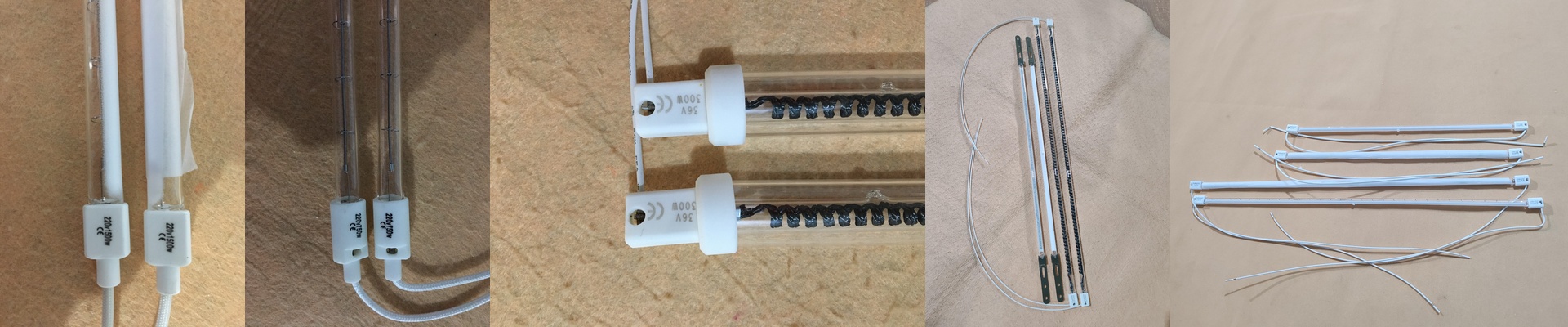
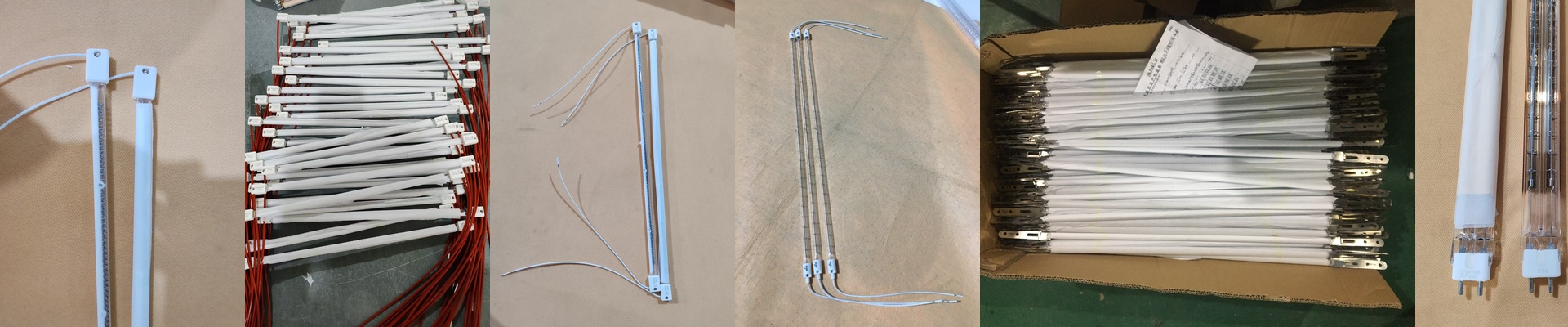
We built this 500W halogen infrared lamp to be a straight swap for the 500W halogen systems you’re already using. It was made for industrial heating jobs where you need intense, focused heat in a small space—think plastic processing, sealing, and curing. It keeps the same power density as the older units, but with a more stable filament and output you can count on, time after time.
Power, Voltage, and the Shape of Things
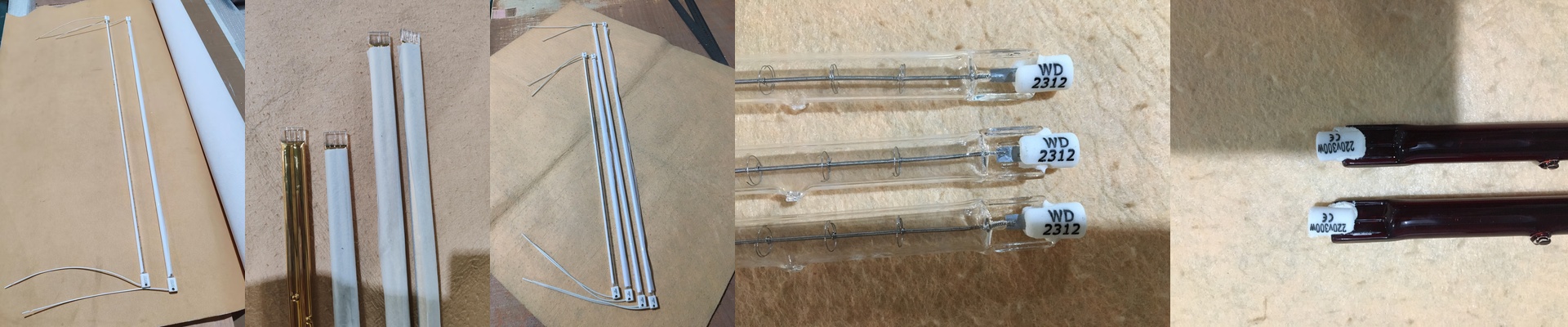
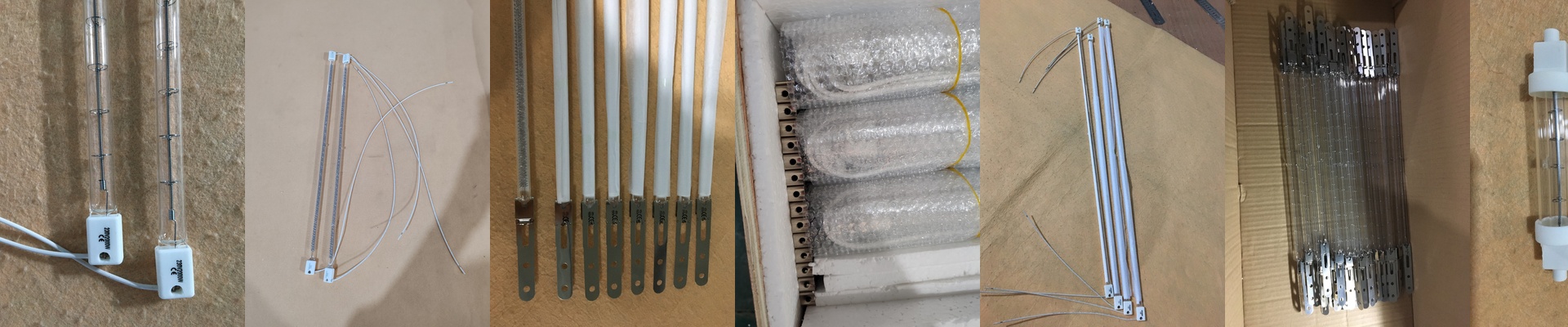
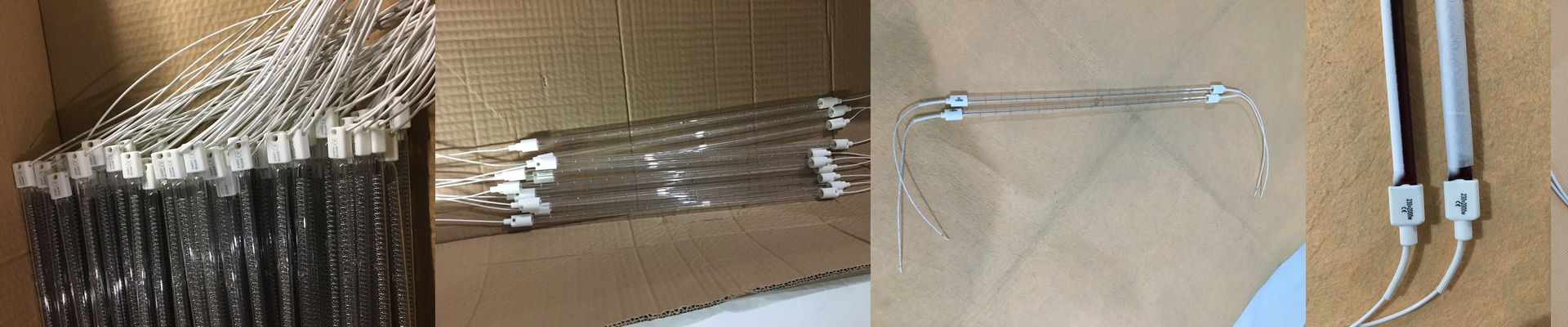
The 500W rating tells you how much heat you’re getting. But the voltage spec is what matters when you wire it into your machine. We set it up to match standard line voltages—usually 120V or 230V—so it fits right in without you having to rework the power supply. The lamp itself is short and sturdy, with a quartz tube that comes in at either 118mm or 300mm, depending on the model. That makes it easy to drop into tight spots without redesigning the heater block. Here’s the point: it’s all about heat density. Packing 500W into a short envelope gives you a high watt-per-square-centimeter ratio, which means the target surface heats up fast. You get that quick response, but you’ve got to manage the surroundings. This kind of power needs the reflector lined up just right and enough machine cooling to keep nearby parts from frying.
Built to Last: Halogen Cycle, Quartz, and the R7s Base
The halogen cycle is what keeps the filament steady. At high temps, the evaporated tungsten re-deposits back onto the filament instead of blackening the bulb wall. That means the light output stays consistent over time, and you don’t get that dim, faded look you see with standard incandescent bulbs. The quartz envelope handles the shock of rapid on-off cycling and lets that infrared energy pass through efficiently. We went with the R7s base because it’s a proven industrial connector for linear halogen lamps. It makes a solid electrical contact and handles the current without creating hot spots. The two-pin, linear shape makes this lamp a true drop-in replacement for what’s already in your fixtures. If your machine uses a different connector, plan the retrofit ahead of time—swapping bases isn’t something you can just wing on the shop floor.
Heat Where You Need It, With Less Hassle
This lamp shines in applications that need concentrated, high-intensity heat: PET preform heating, plastic welding, adhesive curing, and packaging sealing. The infrared energy hits the surface directly, so you spend less time heating up the whole bulk of the material. It’s predictable, and maintenance is simpler. Just remember, this thing runs hot—treat it like a high-heat component, not a regular bulb. Make sure the fixture has enough airflow and the right reflector to shape the beam. When you pick the correct voltage and length, the install is straightforward. Wire it, align it, and you’re running. The catch is thermal management. You’re putting 500W into a small space. If your machine enclosure is tight, you need to plan for radiant heat and airflow. Get that right, and this lamp becomes a reliable, high-density heat source you can depend on.