Making the Jump to Eco-Friendly Metal Finishing
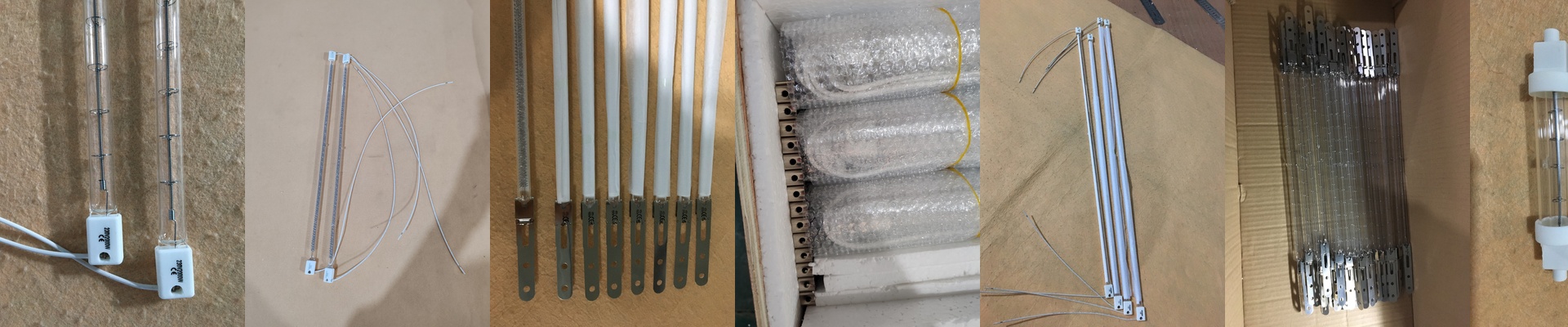
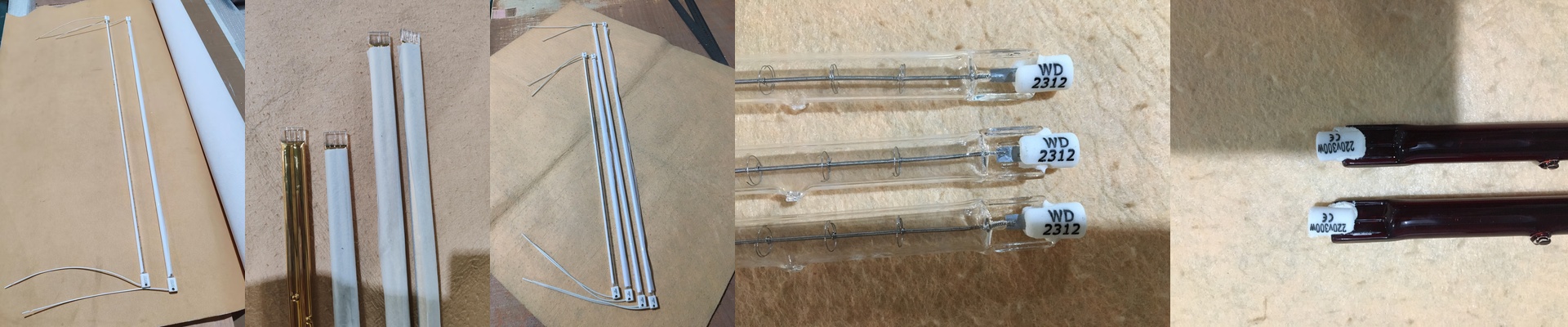
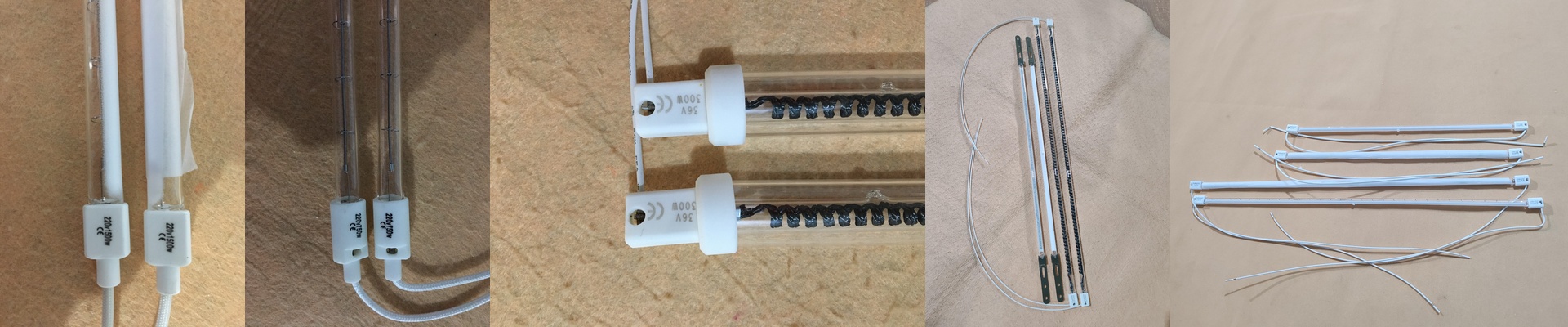
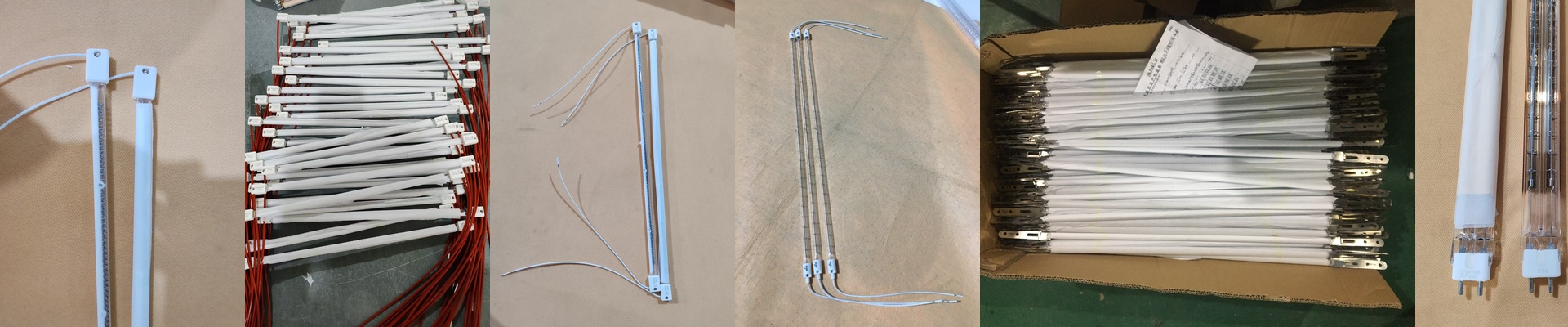
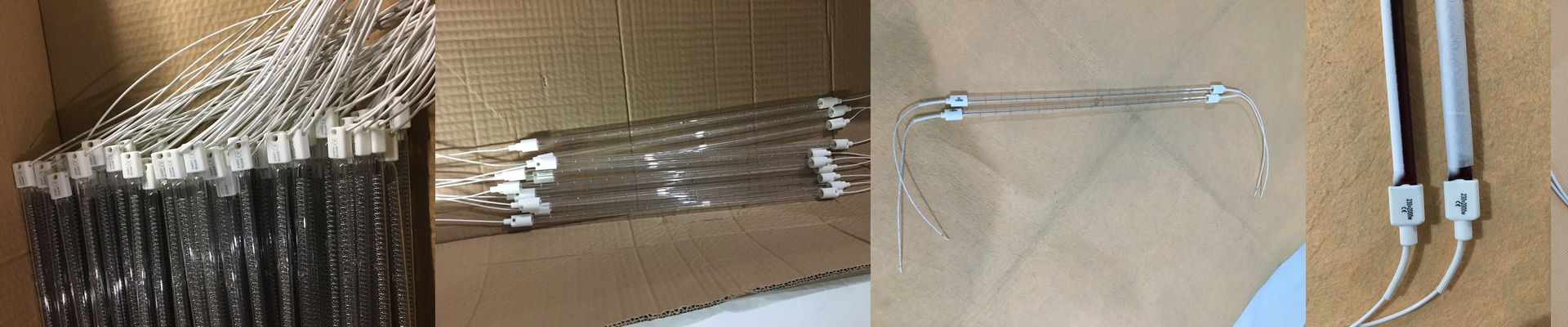
If you’re moving away from solvent-based paints and switching over to powder coatings or water-borne systems, you’ve probably realized one thing pretty quickly: your curing process has to change. Most people think this is just about swapping out some bulbs. But we don’t really do that. We aren’t just here to sell you lamps that fit in a slot. We want to look at your whole line. We want to find where you’re bleeding energy or, worse, where your parts are leaving the oven under-cured.
The actual science of getting it right
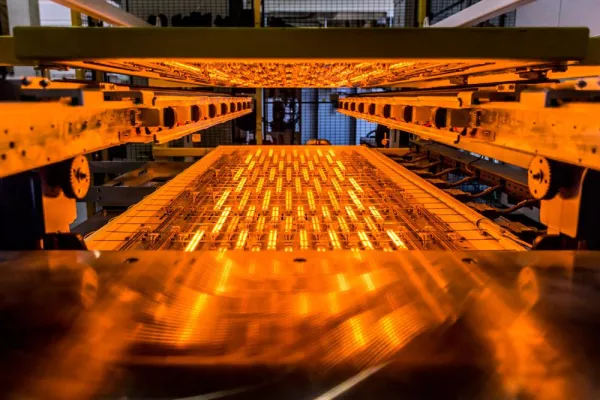
Here’s the thing about curing. You want to hit that peak metal temperature as fast as you can, but you can’t just blast it and hope for the best—you’ll scorch the surface. If your lamps aren’t dialed in, you get “cold spots,” especially on those tricky, complex parts. That’s why we obsess over wavelengths. Short-wave IR is great for a quick surface flash-off. Medium-wave is what actually sinks deep into the coating. When you mix the two? You can shave minutes off your cycle time. But a heads-up: that kind of heat puts a lot of pressure on your electrical panels. You’ve got to make sure your wiring and breakers can handle the surge when a full bank of IR tubes kicks in. It’s a lot of power.
Stop treating your lamps like lightbulbs
A lot of shops treat heating lamps like consumables. They burn out, you toss them, you put in new ones. We think that’s a mistake. We look at how fast your conveyor is moving and how heavy your parts actually are. If you’re pushing heavy steel brackets through, a standard lamp might not get the core hot enough before the part is already out the door. We’ll help you tweak the lamp positions and the power zoning. The goal is to stop over-baking the stuff coming in and under-curing the stuff at the end. It’s a simple shift, but it cuts down your scrap rates and lowers your power bill. We’re basically here to make sure your hardware actually plays nice with the chemistry of your coatings.