Getting Infrared Heating Right in Your Spray Booth
We spent some time visiting about 2,000 coating shops. Why? Because we wanted to see why so many “standard” IR lamps just give up when they hit a real-world metal finishing line. Most of the heaters you buy off a shelf aren’t built for the actual grime and constant heat cycling of a busy shop. They’re too fragile. So, we took everything we saw on those shop floors and used it to rebuild our lamps from the ground up.
Power and Voltage: The Balancing Act
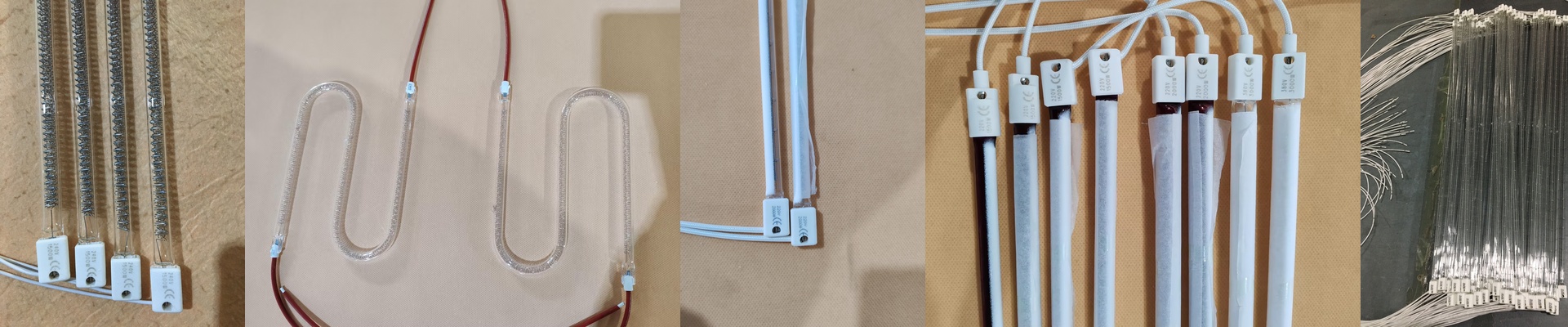
When you’re finishing metal, you need the surface to heat up fast so the coating cures without baking the actual part. That’s where high-wattage density comes in. If you run a high-voltage tube—something like 400V—the ramp-up is fast. Really fast. That means your cycle times drop, and you move more parts. But here’s the catch. Higher voltage puts a lot of stress on your electrical contacts. If your wiring isn’t beefy enough to handle that load, your terminals are going to burn out way sooner than they should. It’s a trade-off you have to get right.
Materials That Actually Last
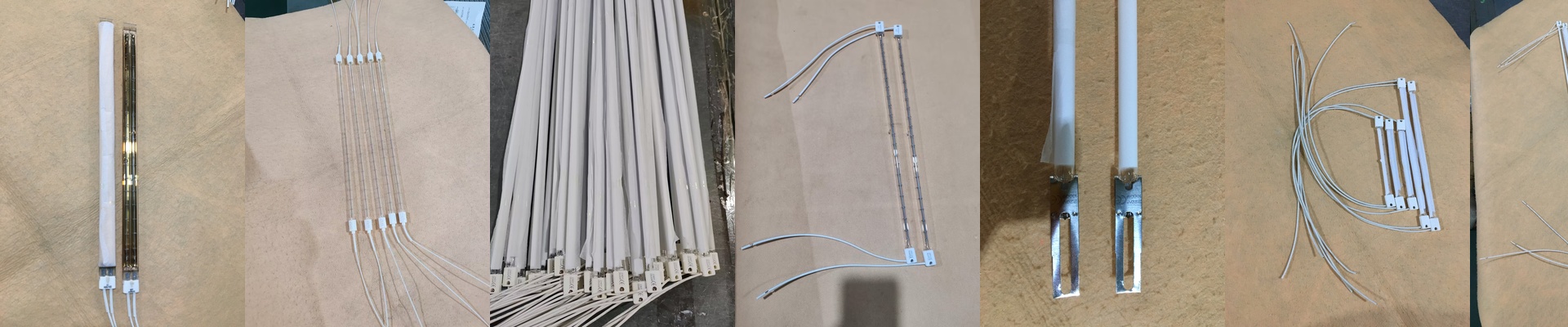
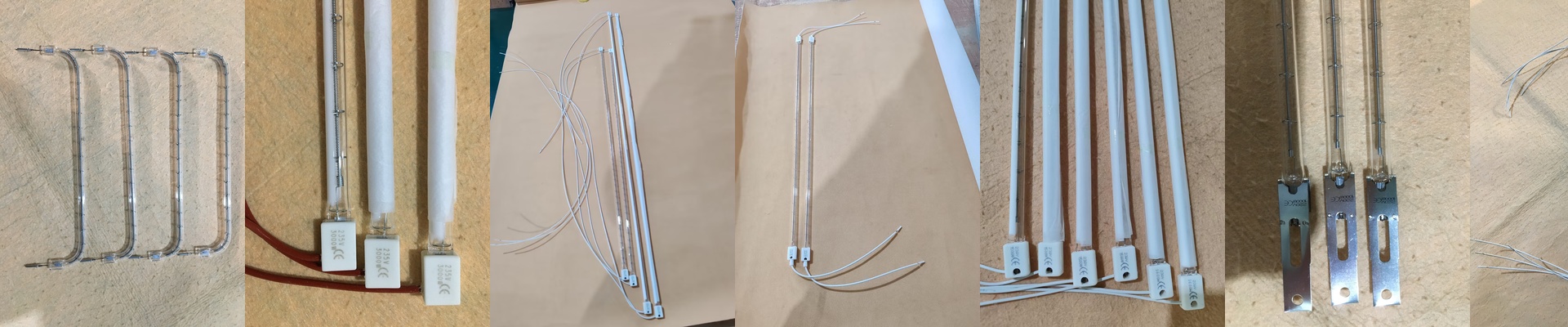
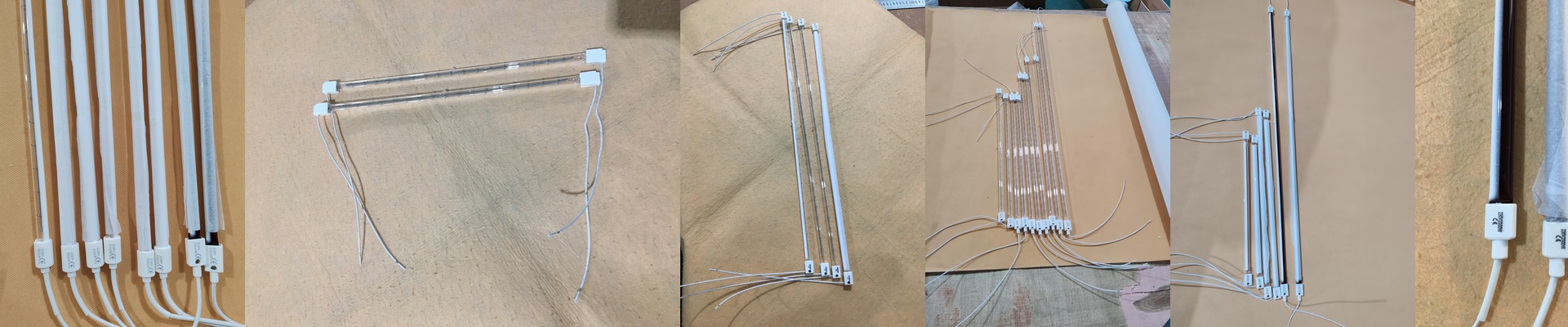
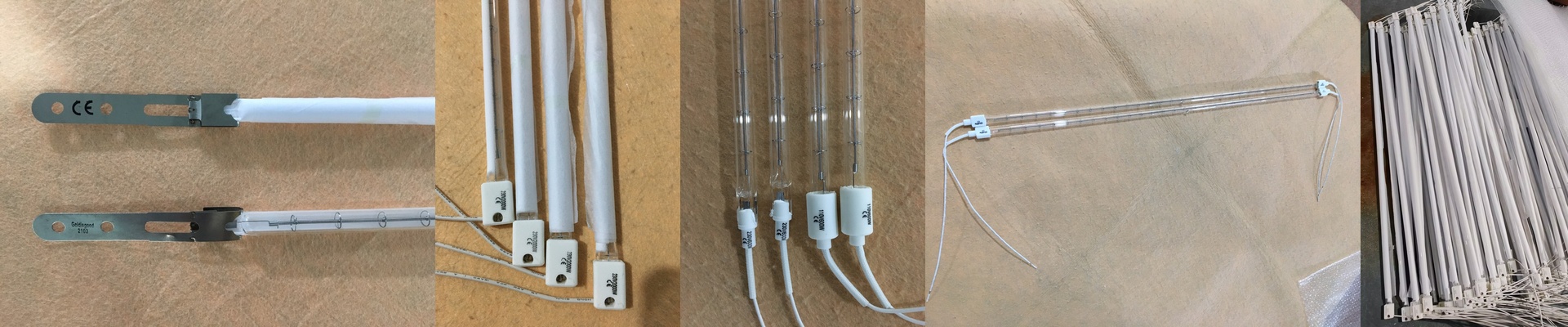
Most people go with quartz. It’s the standard. But raw quartz has a problem: it loves to collect overspray. Once paint particles start sticking to the lamp, you get hot spots. Those hot spots lead to cracks, and then your lamp is toast. To fix this, we use specialized coatings. They do two things: they push the heat forward where you actually need it, and they keep the tube protected from the gunk. As for the connections, we stick with R7s or Sk15 bases. Why? Because they just work. They’re drop-in replacements for most industrial setups. You can swap a dead lamp in a few minutes and get back to work. We’ve seen way too many shops lose an entire afternoon because they were stuck with some proprietary connector that required a specialist to come out and fix it. That’s just a waste of time.
Surviving the Shop Floor
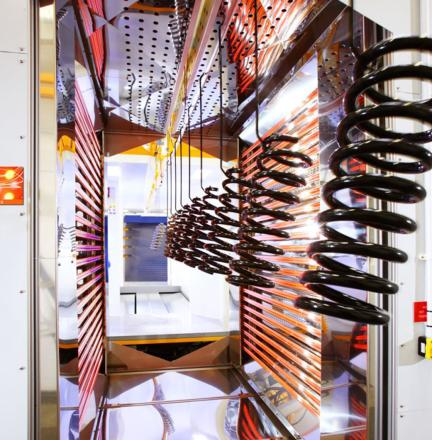
These lamps are built to take a beating. In a spray booth, you’re dealing with chemical fumes and constant vibration. It’s a rough environment. We’ve tweaked the length and wattage so the heat hits the part evenly. No cold spots, no scorched edges. One last thing: keep an eye on your cooling fans. If the housing doesn’t vent that ambient heat, the life of your lamp plummets. Make sure your airflow matches your wattage. If you don’t, you’ll be replacing tubes every three months, and nobody wants that.