Getting Your Powder Coating Heat Just Right
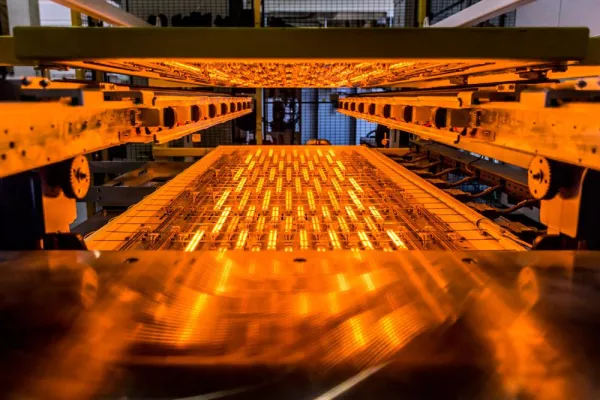
Powder coating is a bit of a balancing act. You need enough heat to make that resin flow and bond perfectly, but if you overdo it, you’re just scorching your parts. We build our curing lamps to hit that sweet spot. If your parts aren’t curing in time, or you’re seeing spots that didn’t quite “set,” you’re probably dealing with a drop in heat output or the wrong wavelength. It’s frustrating, and it slows everything down.
Power, Voltage, and the “Startup Surge”
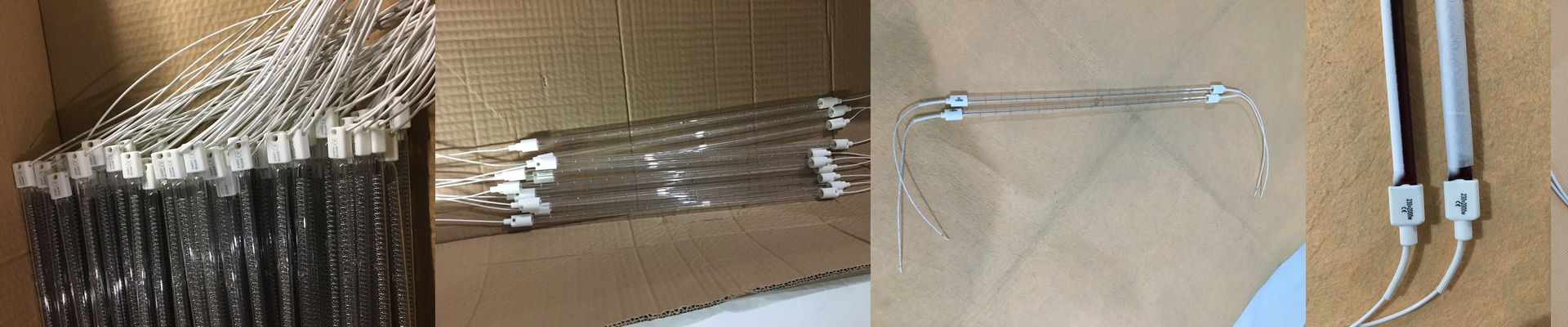
We’ve designed our lamps to go toe-to-toe with the big industrial brands. When you’re planning your line, remember that your voltage and wattage basically dictate your speed. If you’re working with thick powder, you need high-wattage tubes to get things hot, fast. But here is a pro tip: check your transformers. If your power supply can’t handle the initial surge when the lamps kick on, you’ll see flickering—or worse, you’ll burn through your lamps way too quickly.
Why the Glass Matters
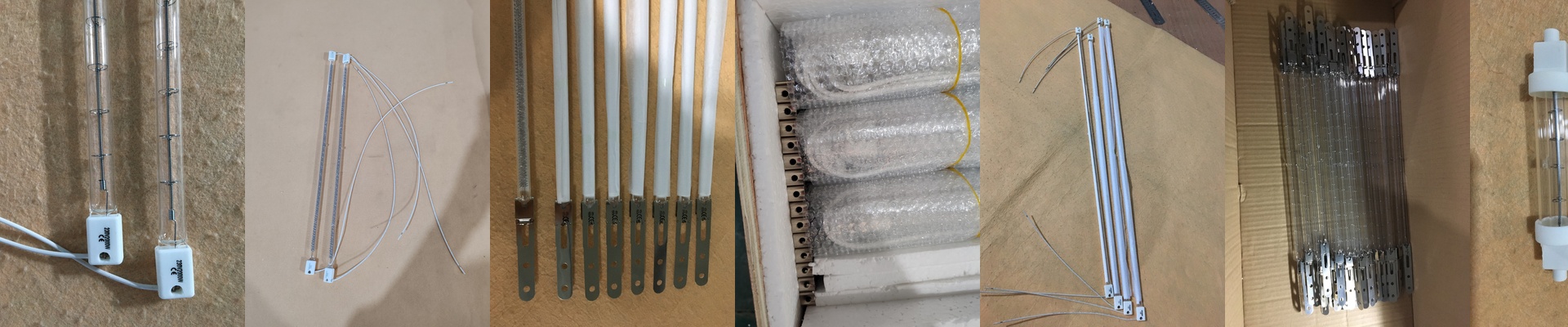
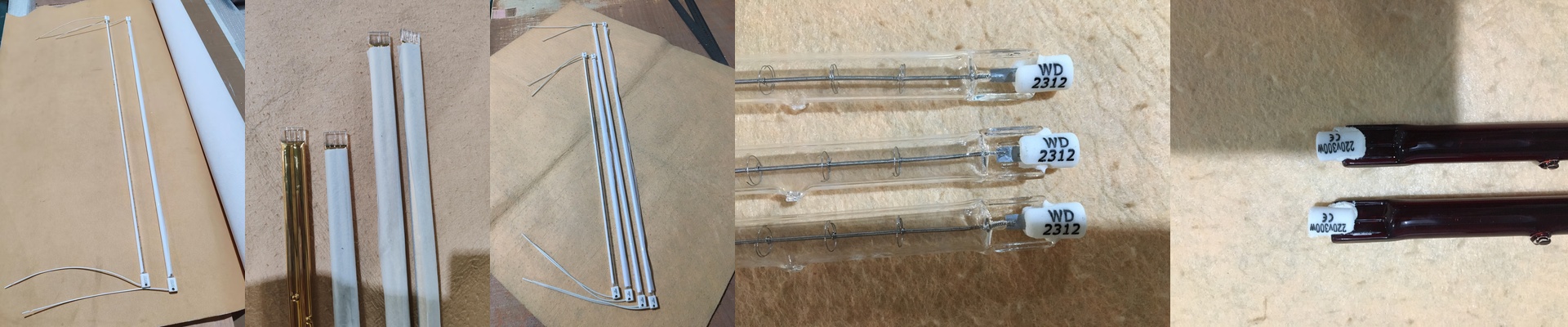
The quartz envelope is where the magic happens. We use high-purity quartz because it doesn’t crack when the temperature swings wildly. Some of our lamps come with special coatings. These shift the heat so it sinks deep into the powder layer instead of just searing the surface. Now, there’s a trade-off. They might take a few extra seconds to warm up, but they stop that annoying “orange peel” texture from ruining your finish. It’s a small price to pay for a smooth result.
Swapping Them Out
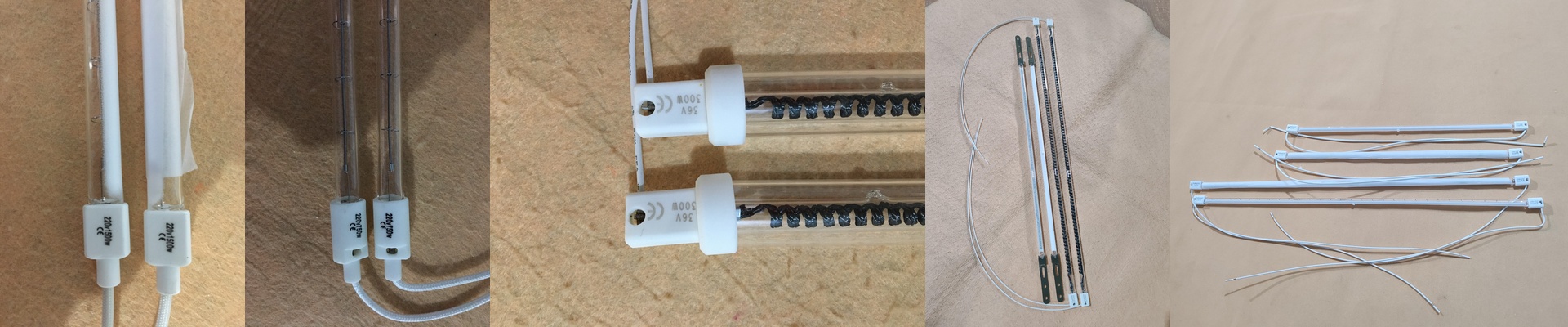
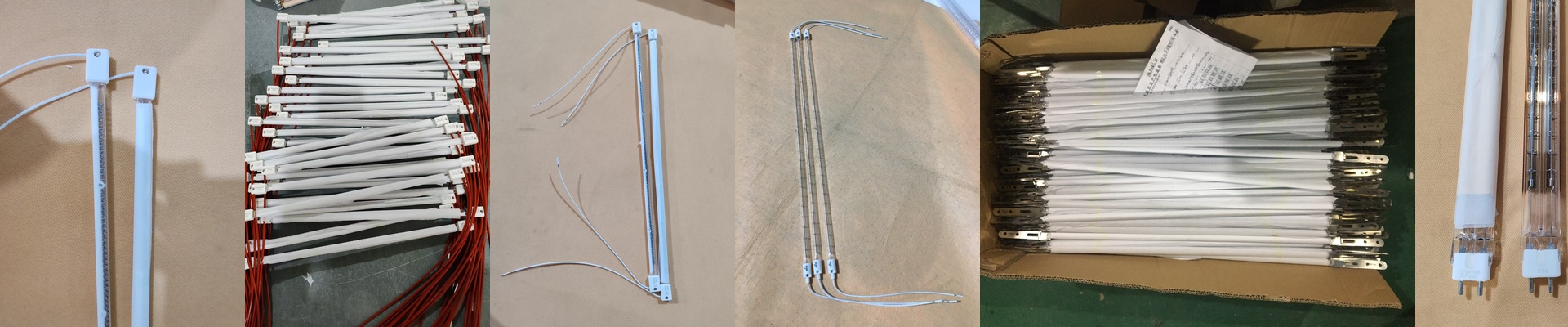
We made these as simple drop-in replacements. No need to rip out your racks or rewire your whole shop—they fit standard industrial footprints. We’re confident they’ll work. If our lamps don’t perform as well as the expensive name-brands you’re using now, we’ll give you your money back. Simple as that. One last thing: before you flip the switch, double-check your reflector alignment. If they’re crooked, you’re throwing away about 30% of your heat. Don’t let your money vanish into thin air.