Engineering Standards for Industrial Powder Curing Lamps
We visited 2,000 powder coating shops to figure out why most curing lamps fail prematurely. The consensus is clear: most “off-the-shelf” lamps aren’t spec’d for the actual grit of a production floor. We used these insights to build a design standard that prioritizes heat density and longevity over theoretical peak performance.
Power Density and Voltage Specs
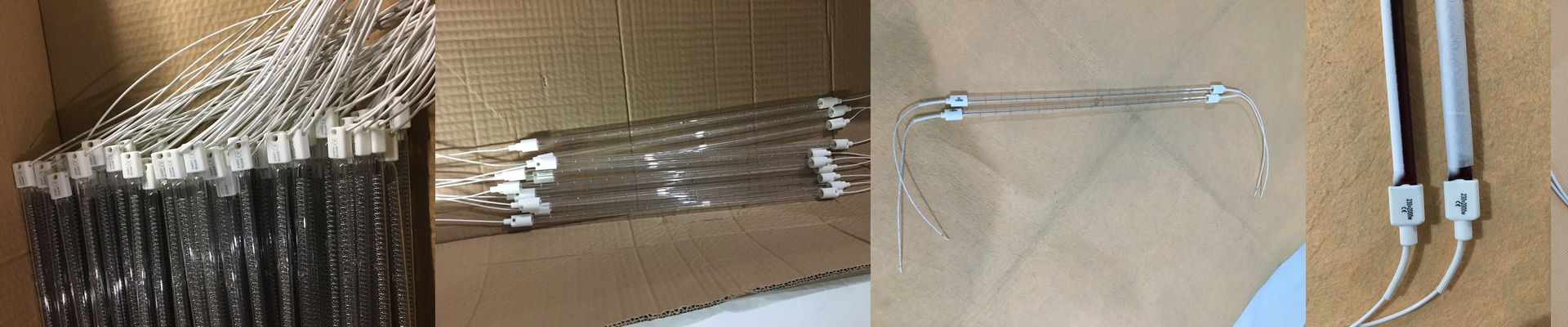
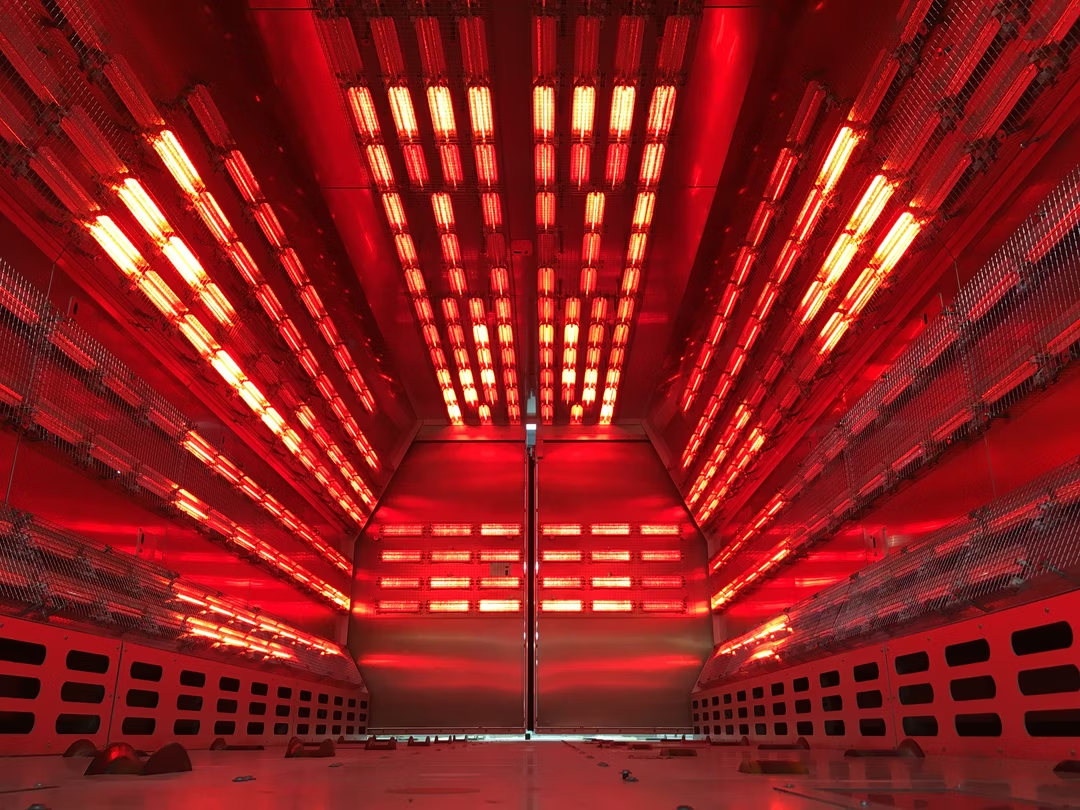
For industrial powder curing, we focus on short-wave infrared (SWIR) output. This allows the heat to penetrate the powder layer and hit the substrate directly. We typically spec these lamps at higher voltages to keep the current manageable. High wattage in a short tube increases the heat flux. You get a faster ramp-up to curing temperature, which cuts cycle times. Just remember: high-density tubes put more stress on your reflectors. If your reflectors are pitted or dirty, you lose a huge chunk of that energy.
Quartz Grade and Connector Reliability
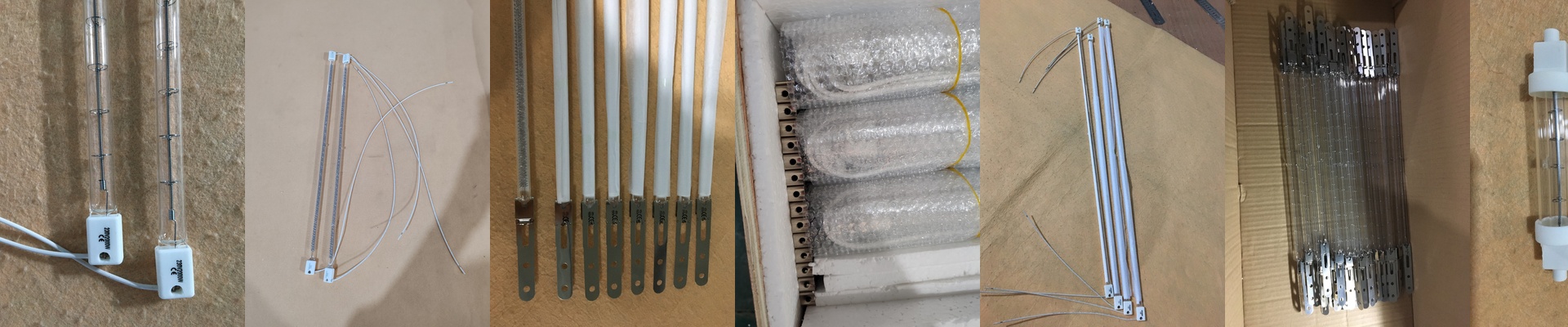
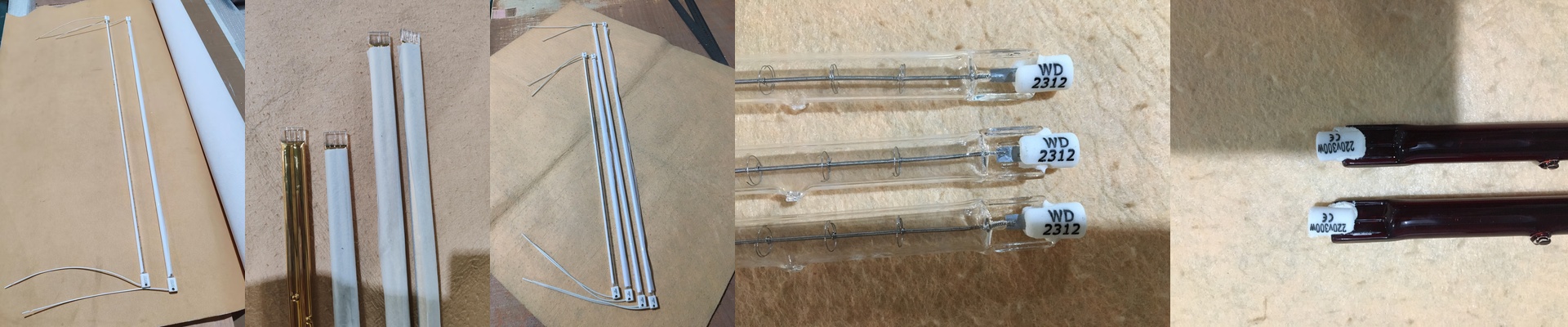
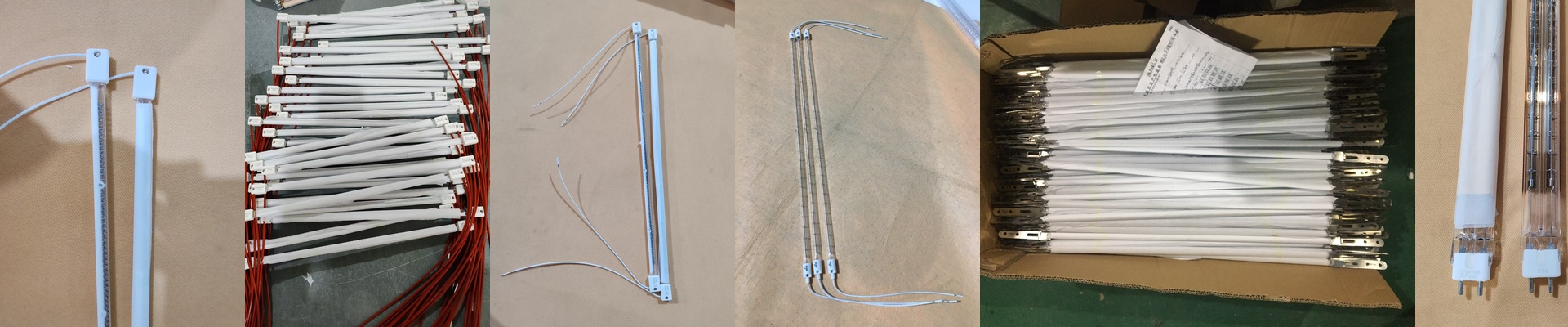
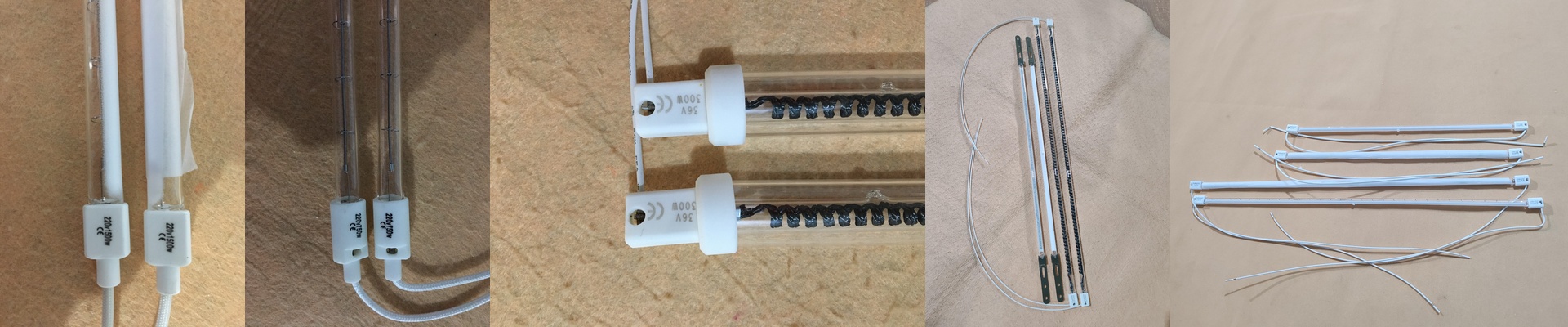
We use heavy-wall quartz to prevent the tubes from bowing under extreme thermal expansion. A coated quartz option is available to shift the emission spectrum if your specific powder requires a softer heat soak. We standardized on R7s and Sk15 connectors because they are drop-in replacements for most oven arrays. They handle the vibration of conveyor systems without shaking loose.
Shop Floor Reality
No lamp lasts forever. In a real-world curing oven, you deal with overspray and chemical fumes that eat away at the contacts. We designed our lamps to be swapped in minutes. While a high-wattage setup delivers the heat you need, it will burn out faster if your voltage fluctuates. You need a stable power supply to keep the filament from spiking. If your grid is unstable, you’ll be replacing tubes every few months instead of every year.