Why High-Efficiency Infrared Curing Isn’t Optional
Here’s the reality: we built our powder coating oven components in China to solve one clear headache—how to cure faster without scorching what you’re coating. When margins are razor-thin, you can’t afford an oven that wastes energy or makes your line wait around for heat. High-efficiency infrared curing isn’t a “nice extra.” It’s the lever that directly affects throughput and cost per part.
The Power, Voltage, and Shape That Actually Matter
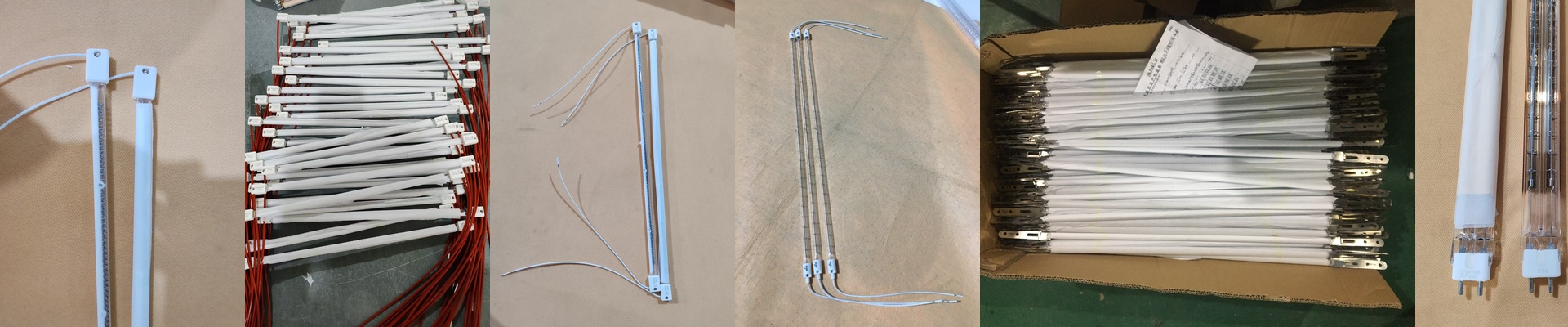
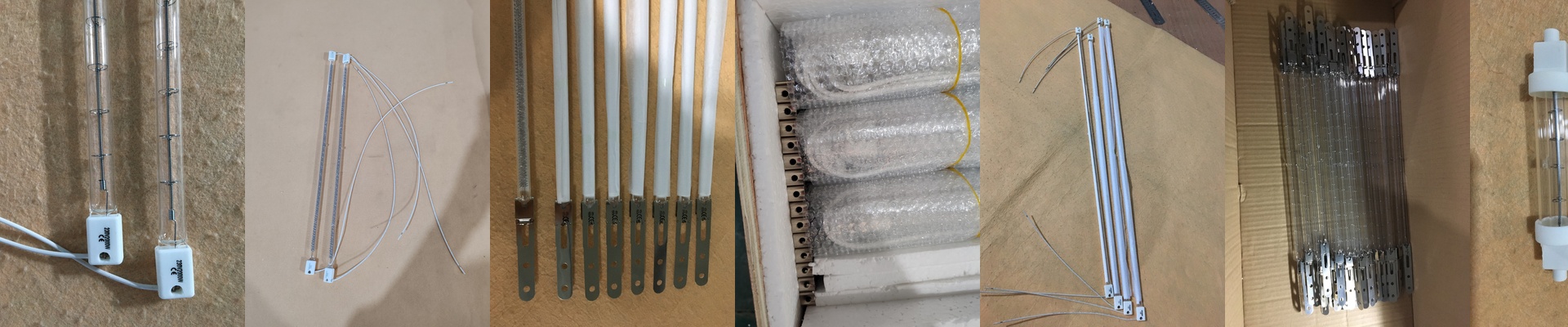
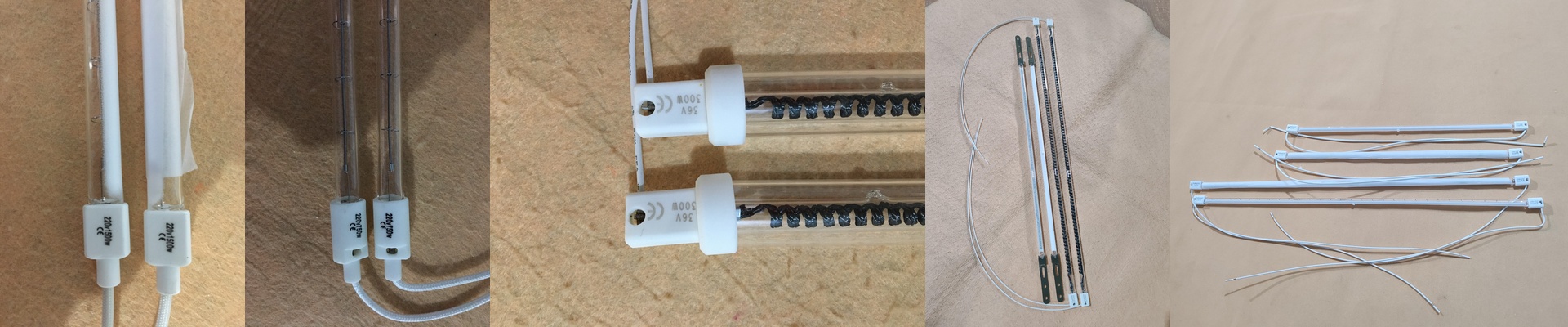
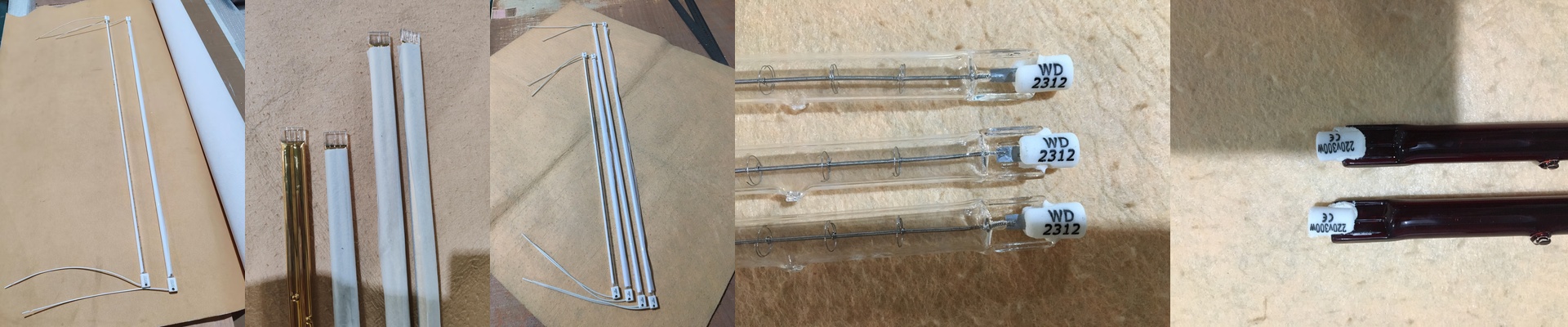
We design our infrared heating elements around real-world electrical and physical needs. A typical unit runs at 400V—not to complicate wiring, but to deliver stable, high-wattage output across the whole length of the tube. For a 300mm element, we set it at 2500W to hit the heat density required for fast curing cycles. Voltage, wattage, and length are matched so the energy profile keeps up with your line speed. And the geometry matters. A 300mm length fits neatly into compact oven zones, so you can re-tool without rebuilding the whole setup. But that power density comes with a catch. Make sure your cooling and airflow are up to the job. If they aren’t, the control system will pull back to protect the component—and your cycle time will drift.
The Materials and the Details That Prevent Headaches
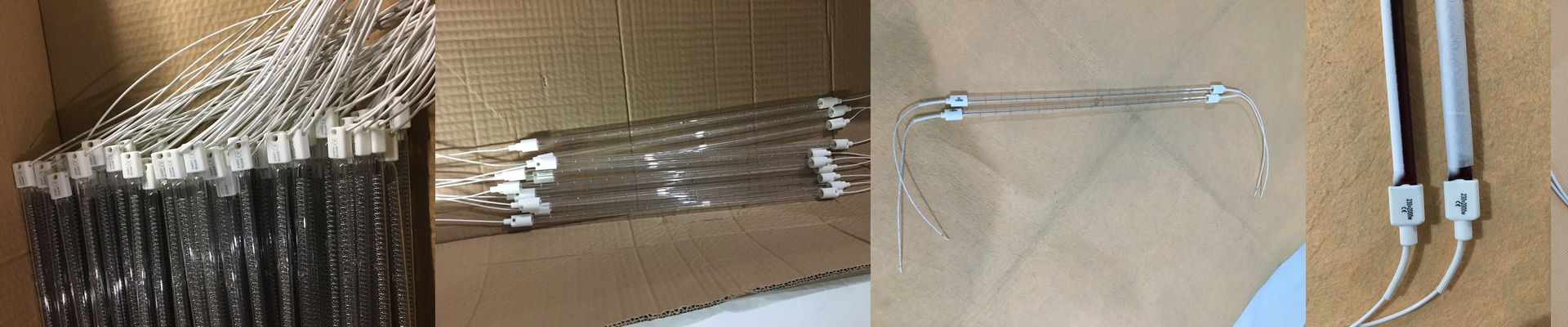
We use halogen-filled quartz tubes because they respond fast and stay steady in their output. Quartz handles thermal shock far better than standard glass, so rapid cycling won’t crack the element. The halogen gas reduces filament evaporation, which helps the unit last longer under continuous high-temperature running. For hookup, we use R7s connectors. It’s a practical choice. R7s gives you a secure, quick-connect fit that holds up to shop-floor vibration. When a tube goes, you can swap it in fast—less downtime, less frustration.
What This Means on the Shop Floor
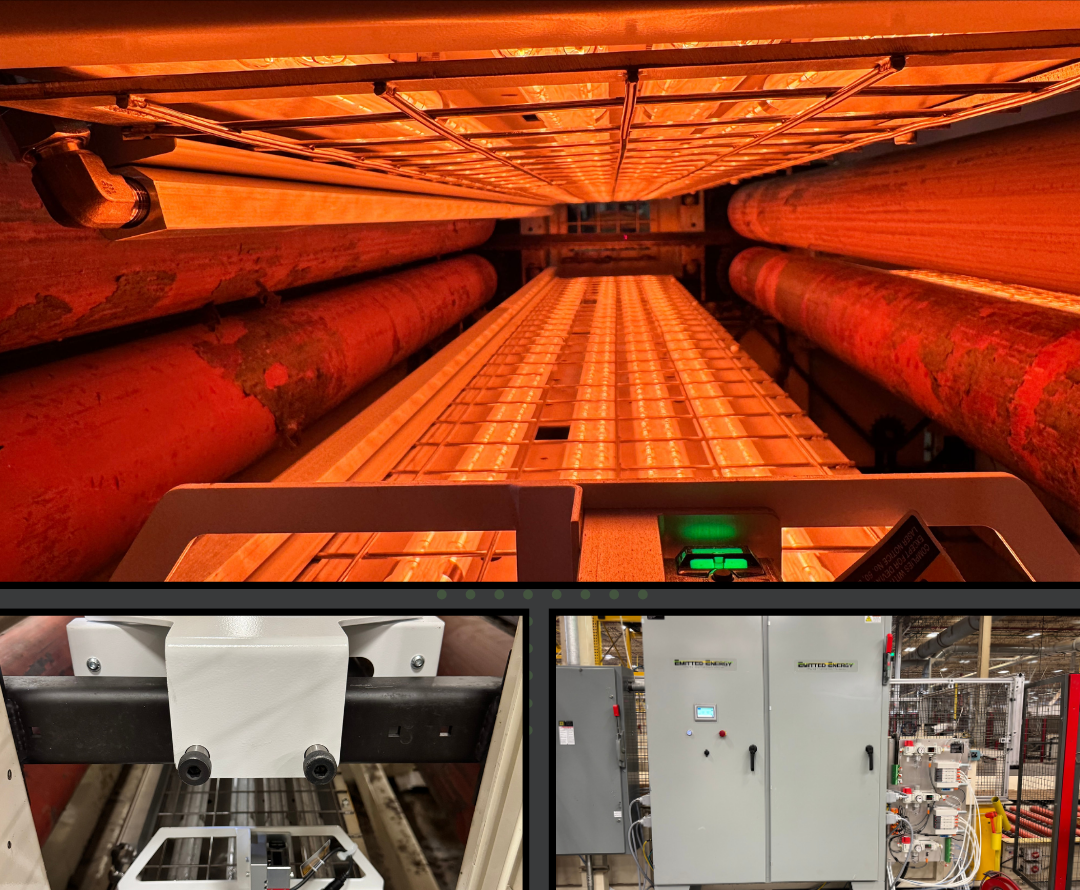
Powder coating ovens are tough environments—dirty, hot, and unforgiving. Our design keeps the heat focused where it needs to be, so less energy is wasted on stray radiation. The payoff is clear: faster curing, lower gas use, and film quality that stays consistent run after run. You get a system that specs clean, wires up quickly, and can take a beating without demanding constant attention. In a low-margin world, that’s how you stay ahead—by cutting cost per part with solid physics, not empty promises.