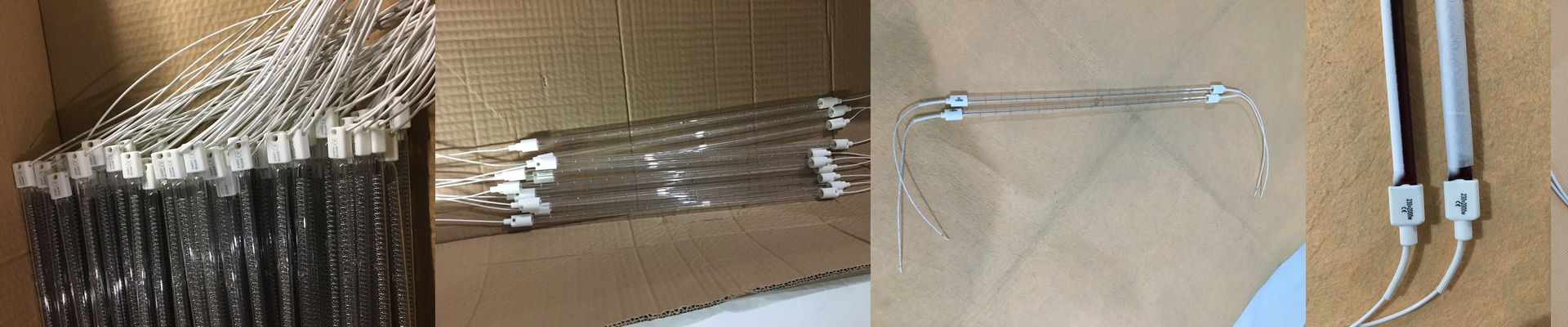
Stop Guessing Where Your Stenter Lamps Go
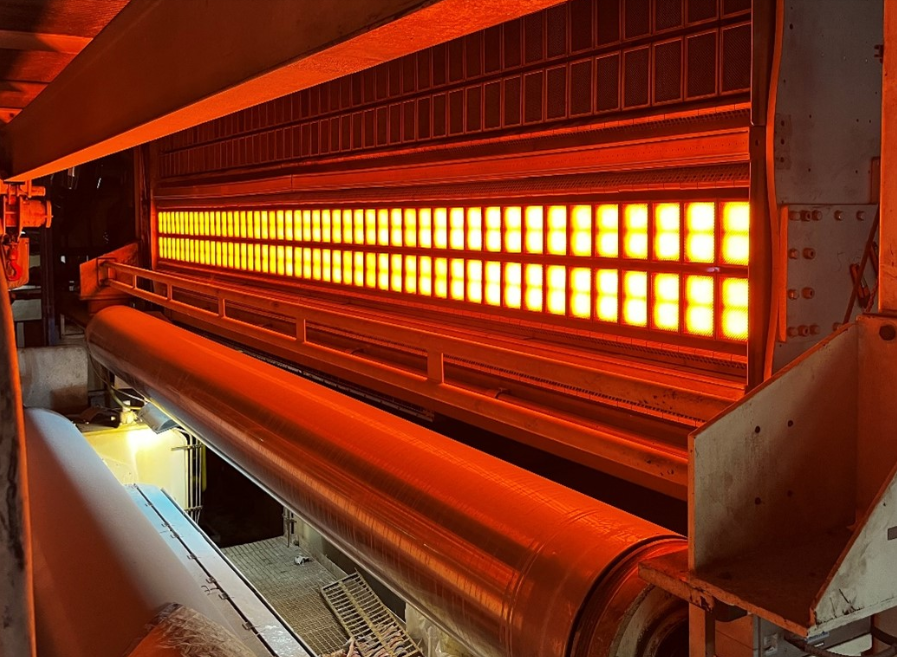
If you’ve ever run wide fabrics at high speeds, you know the headache of uneven heat. A couple of degrees of difference across the beam sounds like nothing, but in the real world, it means shading issues or shrinkage that ruins a batch. It’s frustrating. We decided to stop the guesswork. Instead of just “feeling it out,” we use digital twins—basically a virtual clone of the machine—to figure out exactly where the lamps need to be. The tricky part about heat Heat in a stenter doesn’t move in a straight, predictable line. We map out how the infrared lamps actually throw heat to find the hot spots and the dead zones. It’s a balancing act. If you jam the lamps too close together, you’ll scorched the edges of your fabric. But if you spread them too wide? You get those annoying stripes in the finish. By simulating the wattage and the distance from the cloth, we can see the heat flux before a single lamp is even installed. Letting the math do the heavy lifting We don’t just wing the layout. We use algorithms to find the best coordinates based on the actual size of the machine. The simulation looks at things like the angle of the light and how heat bounces off the machine walls. This tells us if a specific area needs more punch or if we can actually pull a few lamps out to save on power without messing up the temperature. It takes the whole setup process from “let’s try this and see” to a precise plan. The reality check Now, here’s the thing: a simulation gets you about 95% of the way there. That last 5% is where the shop floor comes in. A computer model might miss the way your circulation fans push heat away from a certain zone. You still have to calibrate the physical machine against the digital version to get it perfect. Also, be careful with high-density layouts. They’re great for fast throughput, but they pull a lot of juice. Before you go all-in on a high-density spec, double-check that your wiring and cooling systems can actually handle the load. You don’t want to trip a breaker in the middle of a big run.