Stop Letting Steam Kill Your IR Lamps
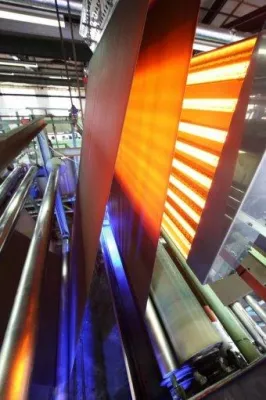
If you’ve ever run a textile drying line, you know it’s a nightmare for infrared lamps. As the water leaves the fabric, it creates this thick, heavy cloud of steam that just loves to settle right on the quartz envelope. Then the lamp cycles or the air shifts, and you get these cold spots. One sudden thermal shock and—snap—the quartz cracks or the filament just gives up. It’s frustrating, expensive, and it happens way too often.
A Better Way to Handle the Fog
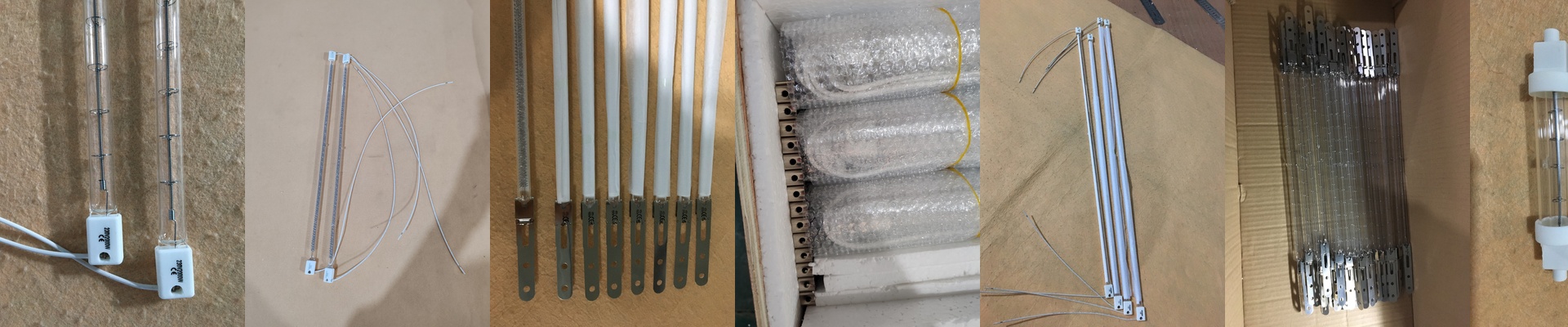
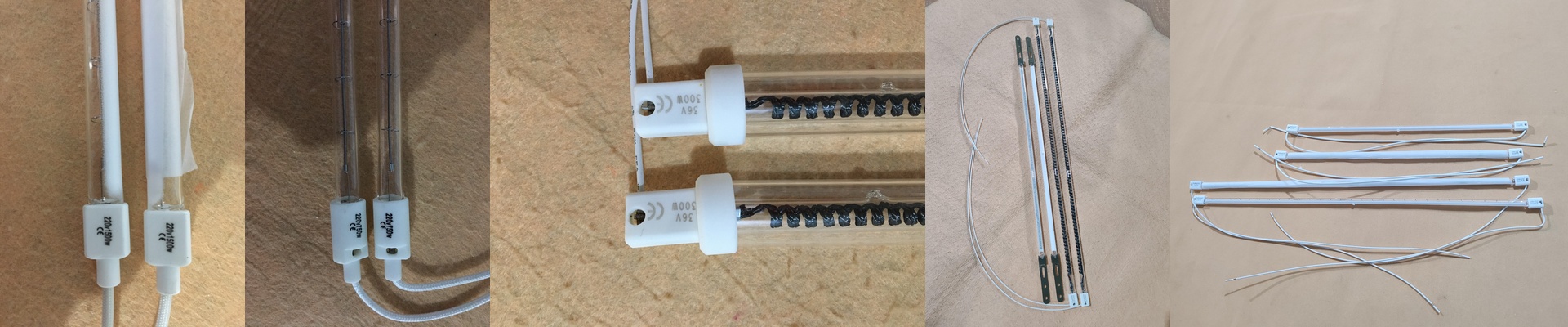
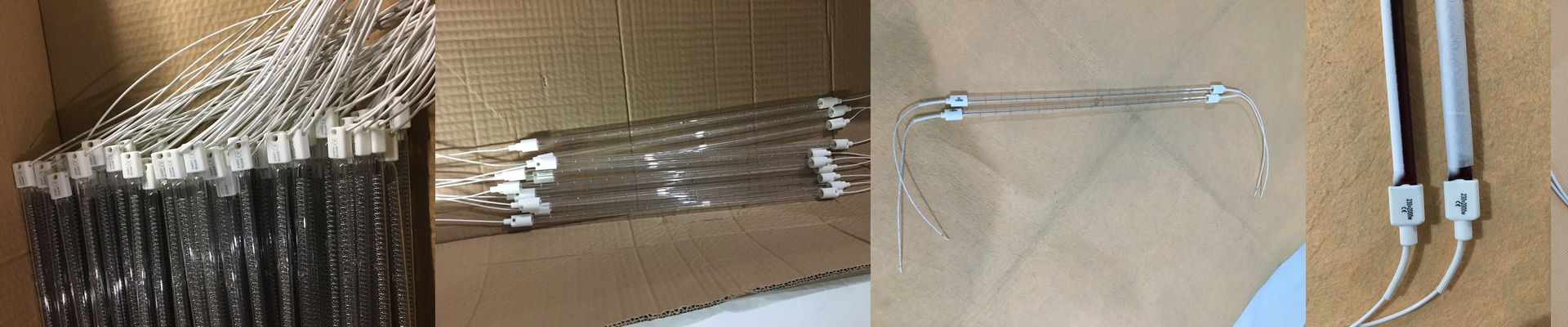
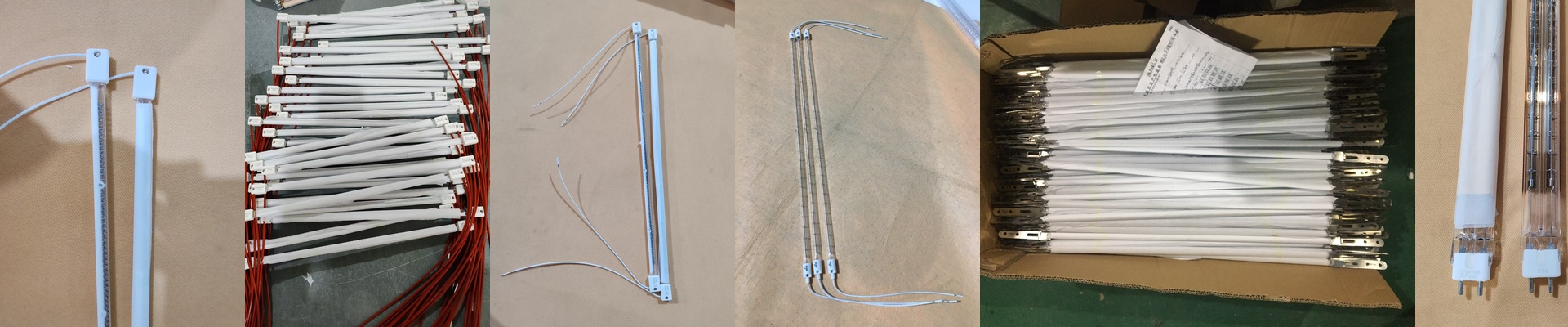
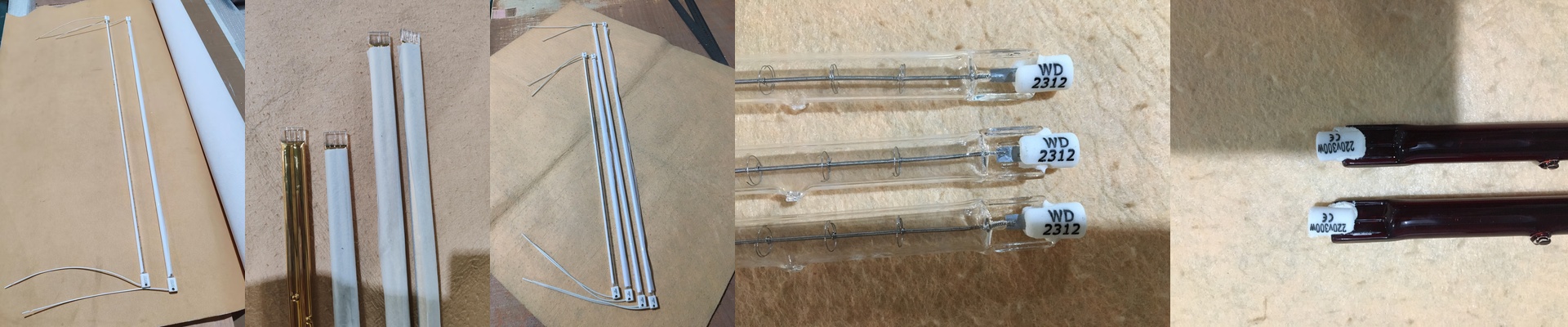
We decided to tackle this with an anti-fog heating module. Instead of just leaving the lamp out there to fend for itself, we wrapped it in a structural shield. Think of it as managing the air right around the tube. It keeps the quartz surface above the dew point, which means the moisture can’t settle and “fog up” the glass. No condensation, no thermal shock. Simple as that.
The Honest Trade-off
Now, look—nothing is perfect. Adding a shield means the heater takes up a bit more room. You also lose a tiny bit of that raw radiation intensity because of the barrier. But here’s the thing: an exposed lamp might give you 5% more heat on day one, but it’ll burn out in a fraction of the time once the steam hits it. I’d take a slightly lower heat density over a broken lamp every single time.
Getting It Up and Running
The best part is that these are basically drop-in replacements. You can plug them right into your current IR arrays and keep your existing control loop. One tip, though: check your sensors. You might want to upgrade them to handle the change in airflow. Also, if you’re pushing maximum wattage, make sure your exhaust fans are actually doing their job. If the fans fail and the moisture just sits there, the anti-fogging won’t work, and you’ll be right back to square one with failing lamps.