Getting the Heat Right in Powder Coating
Most shops treat their ovens like a toaster—you just flip a switch and hope for the best. But if you’ve ever dealt with peeling paint or that annoying “orange peel” texture, you know that raw heat isn’t enough. You need control.
Why “Just Hot” Doesn’t Work
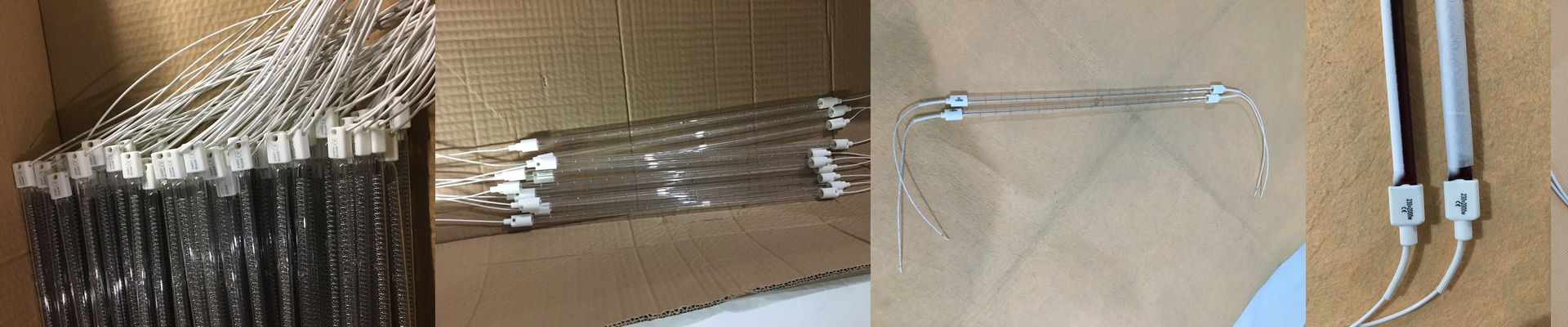
It all comes down to how the heat actually hits the metal. We spend a lot of time balancing wattage against the size of the heater. Here’s the deal: if you cram high wattage into a small space, you get a stronger “push” of heat. This helps the powder melt and flow smoothly across the part way faster. But it’s a balancing act. Too little power, and the part sits in the oven too long, which can ruin the color. Too much power without the right zoning? You get hot spots. We tweak the voltage and wattage so the heat hits every inch of the workpiece evenly. No surprises.
The Secret is in the Materials
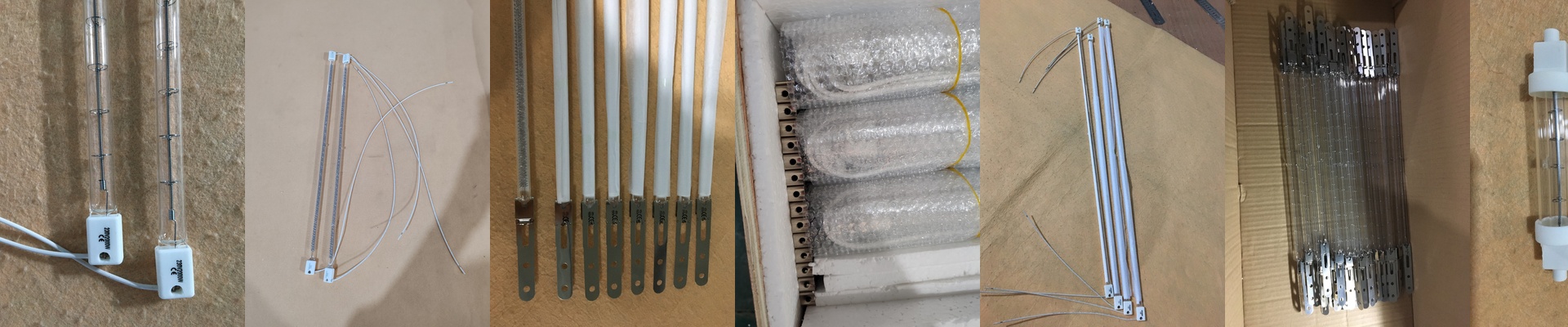
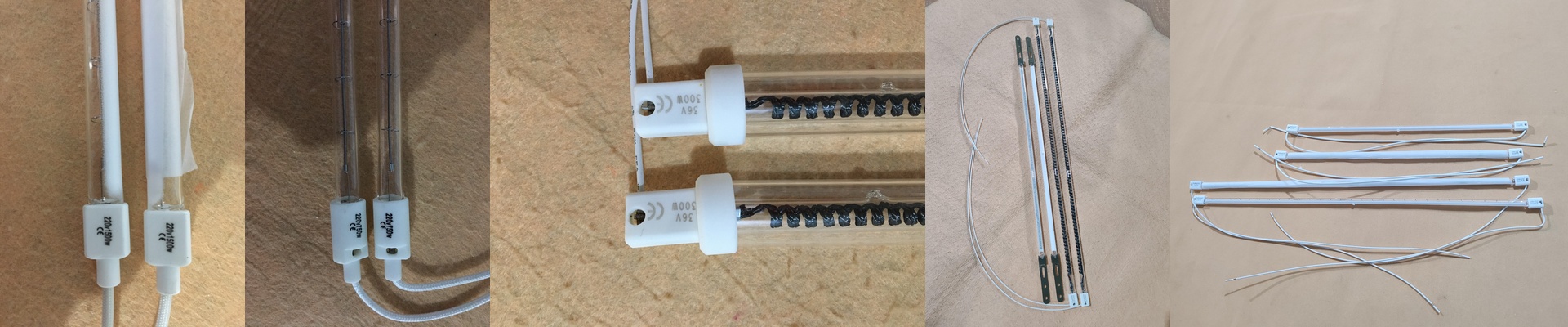
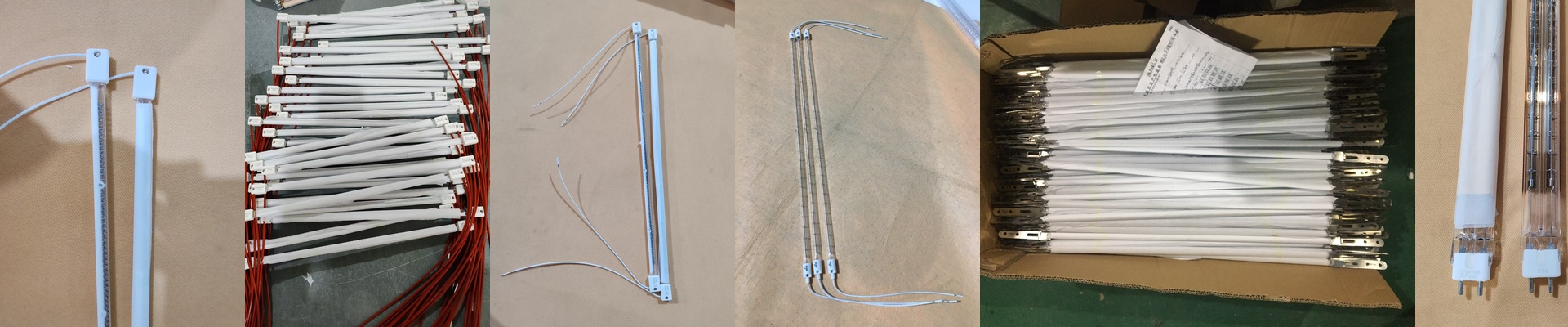
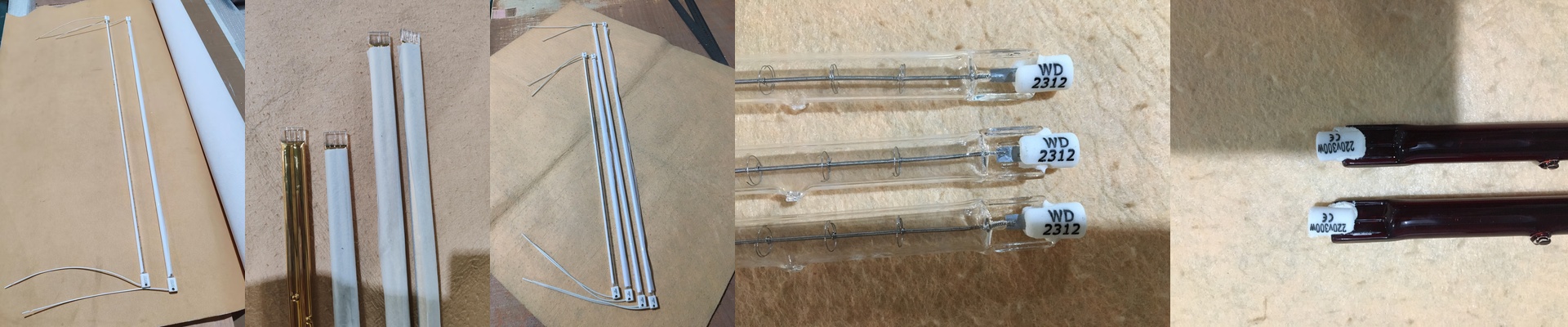
We don’t use basic tubes. Those things waste a ton of energy. Instead, we use high-purity quartz and special coatings that change how the heat is emitted. Think of it this way: instead of heating up the oven walls, the energy is tuned to wavelengths that the metal actually absorbs. The heat goes exactly where it belongs—into the part. And because these things expand and shrink every time they heat up, we use reinforced connectors. They won’t just snap or burn out after a few weeks of hard use.
Making it Work in Your Shop
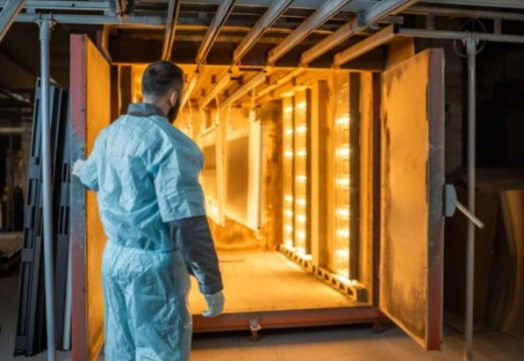
Now, you can’t just slap a high-density heater into an old rig and expect magic. These units put out a massive amount of energy in a very short window. You’ve got to make sure your conveyor speed and exhaust fans can keep up. If your airflow is weak, the air inside the oven gets too hot too fast, and you lose your grip on the cure cycle. We build these for shops that run 24/7. They’re designed to take a beating in dusty, gritty environments. That’s why we don’t mess around with the wiring or the heat-shielding. If it isn’t built tough, it’s just going to fail when you need it most.