Power and Design, Explained Like You’re Over a Coffee
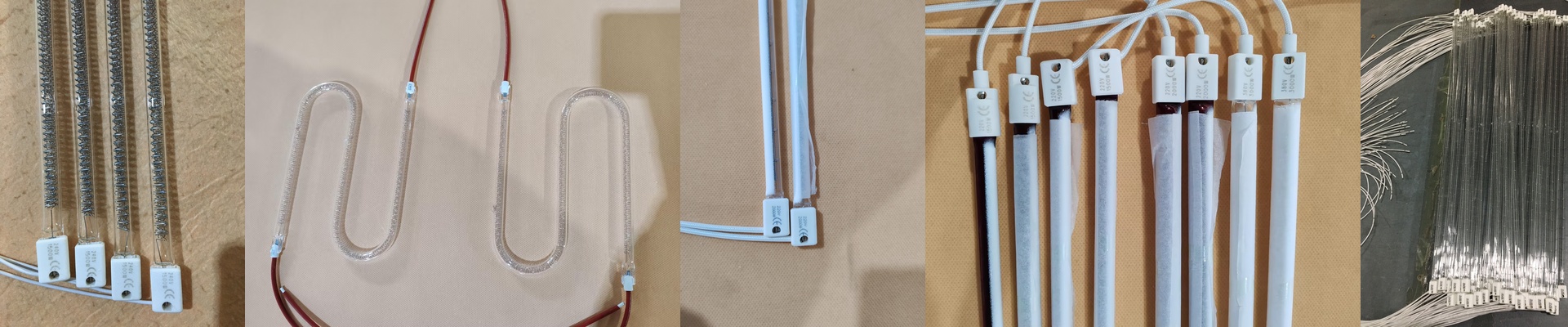
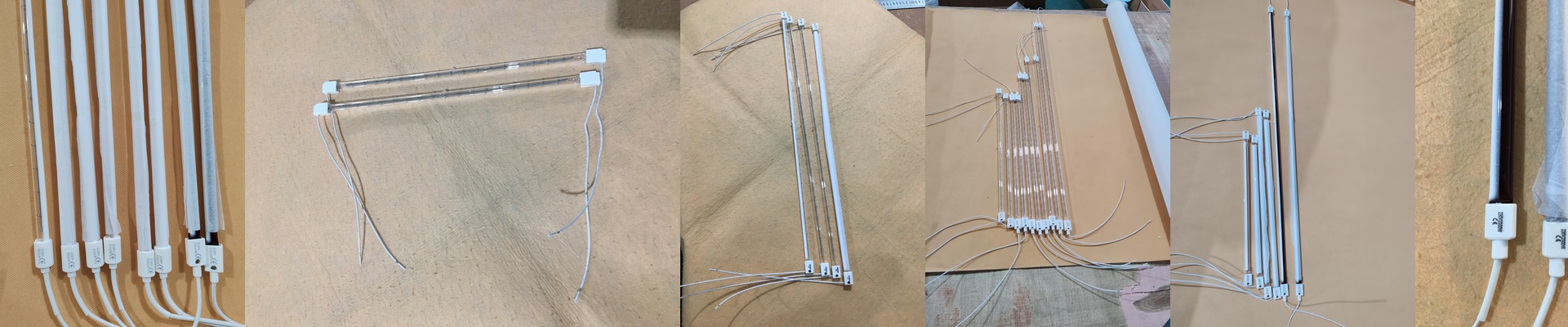
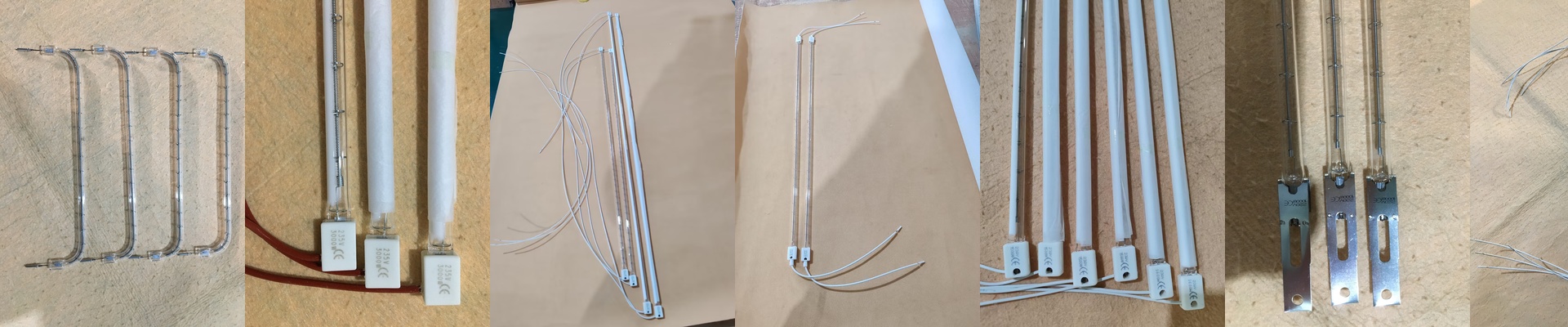
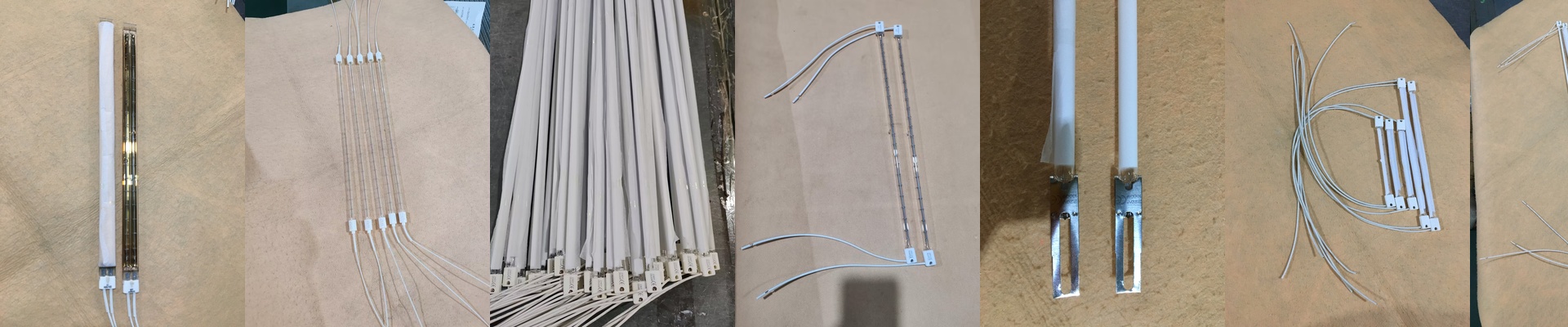
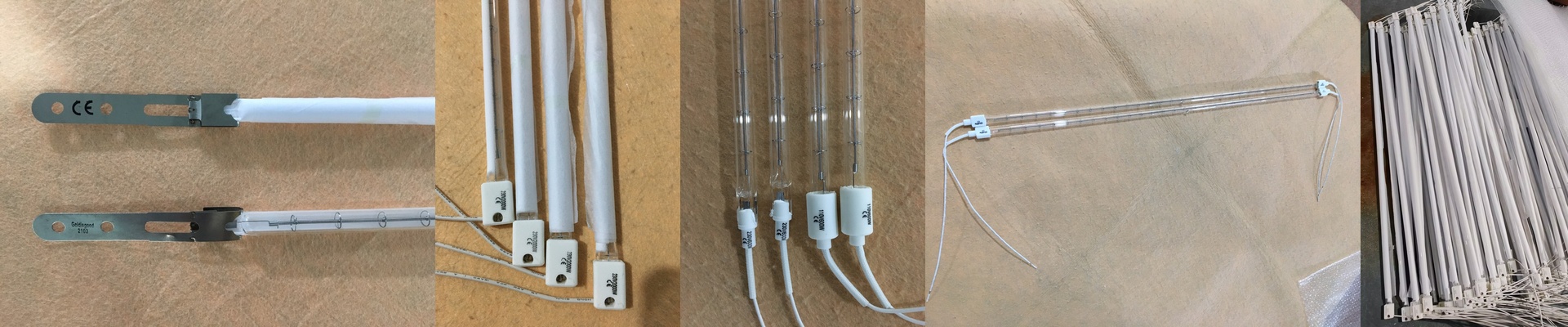
Let’s talk about what makes these ruby quartz halogen IR heating lamps actually work in a sauna. We built them for the real deal—hot, humid, and demanding. The heart of it is a shortwave infrared emitter tucked into a compact 300mm tube. We run these at 2500W, usually on a 400V circuit. That higher voltage? It’s intentional. It delivers the power you need without pushing the current too hard. That keeps the wiring short and the electrical load manageable. In a sauna, that reliability matters—especially when things get steamy.
Why Quartz and Halogen? Because They Earned It
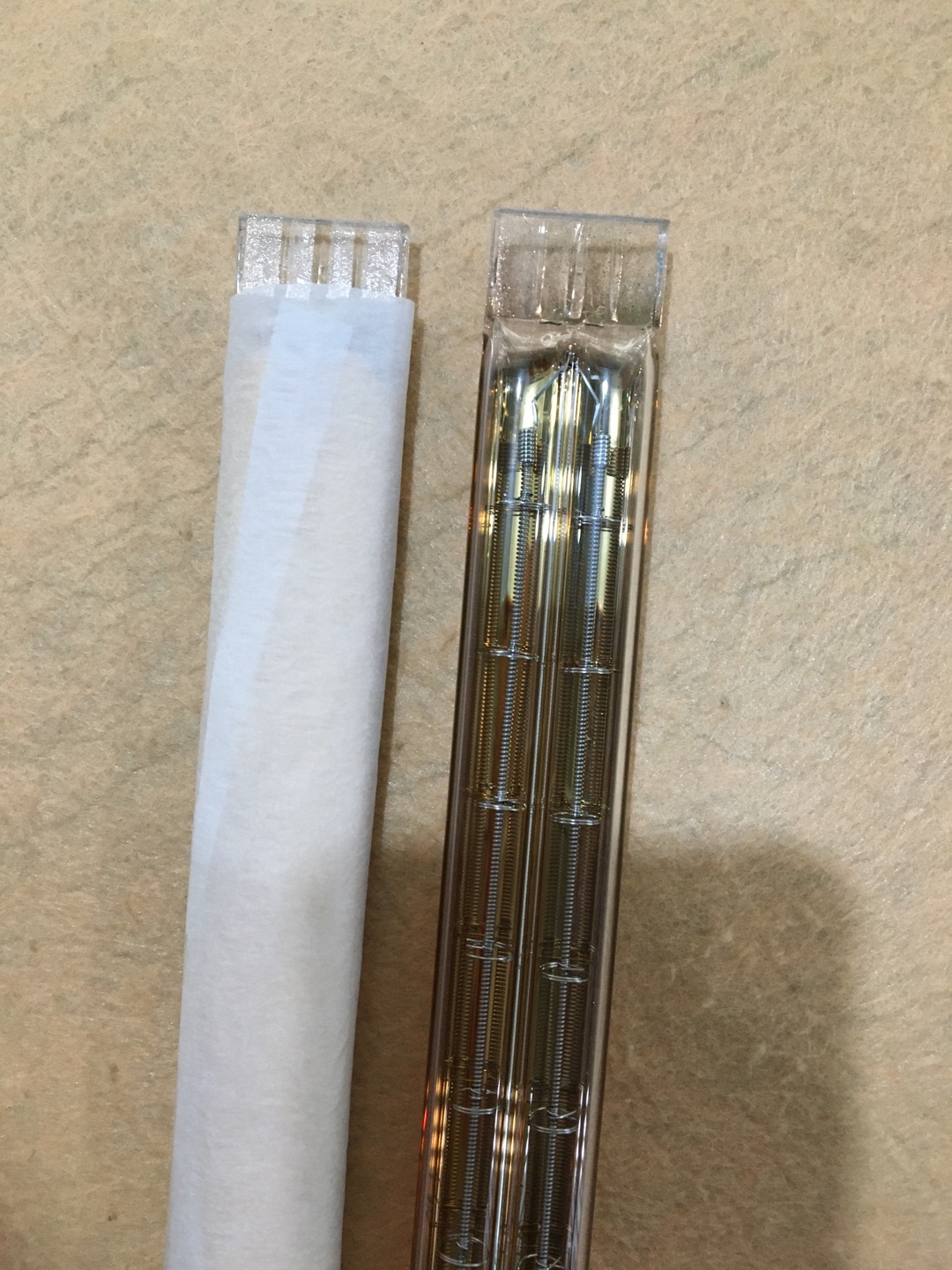
The tube is quartz, not regular glass. It can handle the extreme heat and the shock of turning on and off, again and again, without cracking. Then there’s the “ruby” coating. It’s special, and here’s why: it filters out visible light so you get pure, intense infrared. It also shields the filament inside. And that filament? The halogen cycle is the secret to staying alive. It keeps putting evaporated tungsten back where it belongs, so you don’t get the blackening and early burnout you see with ordinary bulbs. The R7s base is a direct, bi-pin connector made for high heat. It gives you a solid, low-resistance connection that won’t melt when the heat is on.
What It Feels Like in a Sauna—And What to Plan For
In a sauna, you don’t want surface warmth. You want heat that sinks in—into the wood, into the air. That’s exactly what the shortwave IR from these lamps does. It hits the thermal mass of the room directly, and it does it efficiently. The 300mm size is a practical win. It lets you pack in a dense array of heaters, so you get serious power even when space is tight. Whether you’re swapping out old heaters or building from scratch, it makes the install straightforward. But here’s the thing—with this kind of power density, heat management is real. The lamp itself runs hot, and the reflector gets even hotter. So your mounting hardware and wiring insulation have to be rated for temperatures above 300°C. Plan for proper heat shielding and clearances from the start. Treat the heat as part of the design, not something you’ll deal with later.