Electric Halogen Heating Lamps: The Inside Story on Power, Build, and Oven Fit
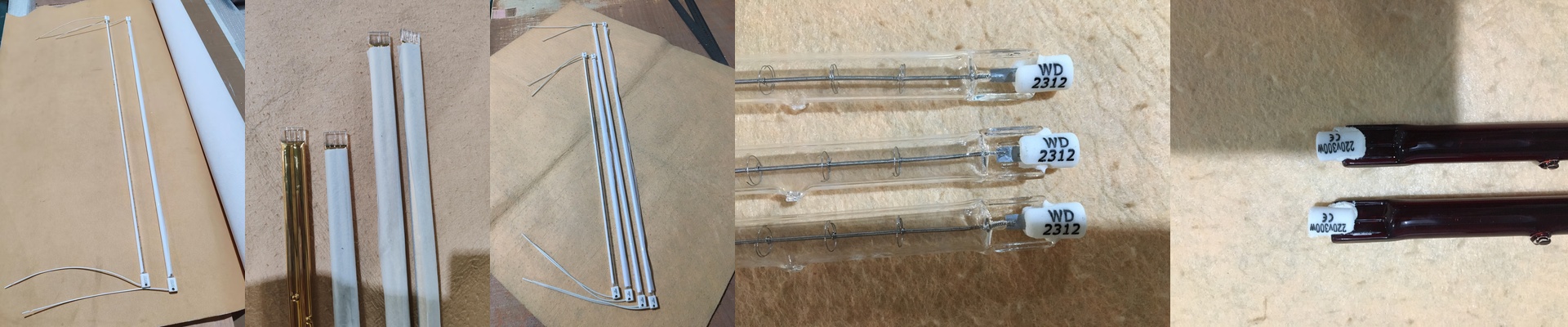
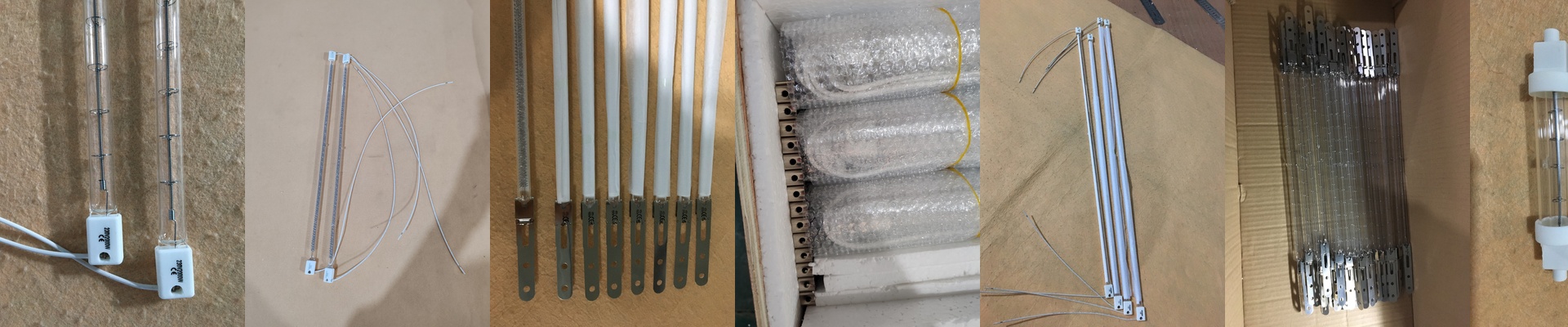
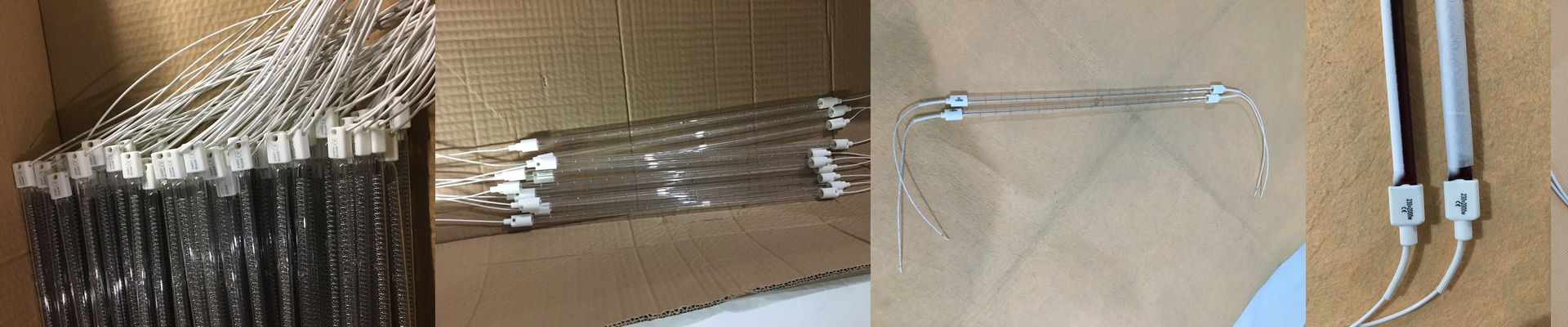
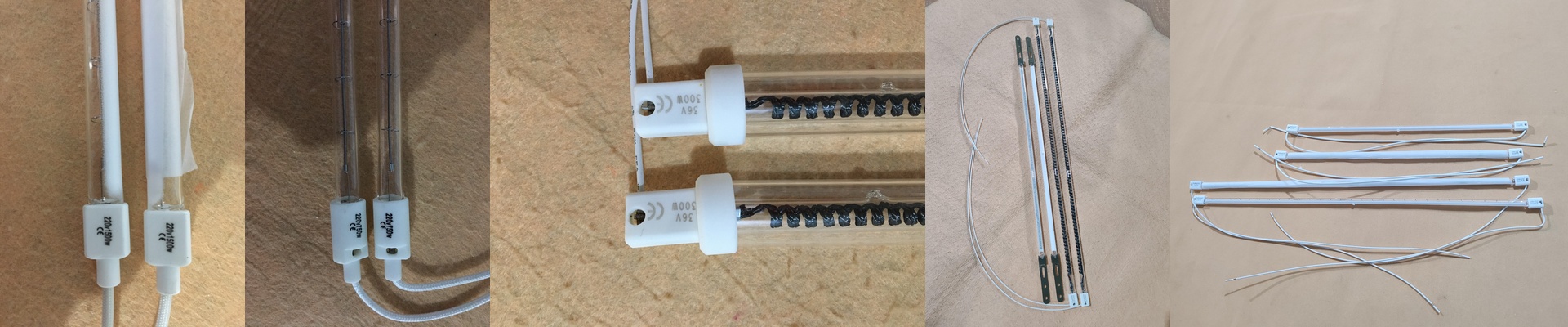
We build electric halogen heating lamps specifically to slide right into ovens and high-heat process equipment. These aren’t your average space heaters. They’re compact powerhouses, built to deliver precise, intense heat exactly where you need it—in tight, enclosed spaces.
Power, Voltage, and Size: Getting the Details Right
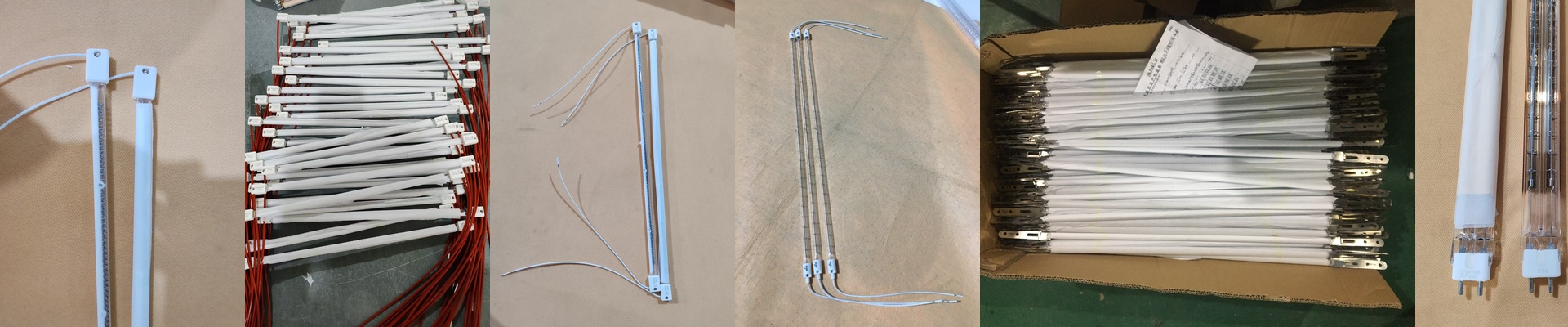
Here’s the thing about these lamps: their performance hinges on three basic specs—voltage, wattage, and length. Why? Because your oven sets the limits, both electrically and physically. You’ll typically see them running on 230V or 400V, with wattage scaling up to meet the heat demand. For industrial ovens, that often means 1500W to 2500W. The tube length is chosen to match the heater cutout, so the lamp sits perfectly flush. This keeps the radiant surface close to the target, which is exactly what you want. A shorter lamp packs more wattage into a smaller space. The result? Higher surface temps and faster warm-up. But it also puts more heat stress on the oven interior. So you pick the wattage and voltage to match your control system and power supply, and you choose the length to avoid hot spots and clear any internal fixtures.
What’s Inside: Clean Heat, Tough Parts
The magic happens thanks to the halogen cycle. It keeps the quartz tube clean by redepositing evaporated tungsten back onto the filament. This lets the filament run hotter, so you get faster start-ups and steady output over time—without that blackening you see in regular incandescent bulbs. The quartz envelope is built to handle extreme heat and withstand the shock of oven cycling. Most lamps use an R7s base, a double-ended linear connector. It’s simple, reliable, and gives you solid contact and easy alignment. That means you can wire it up quickly and swap out lamps on the shop floor without a hassle.
Why Ovens Love Them: Focus, Speed, and Easy Swaps
Inside an oven, the lamp is positioned to blast focused radiant heat right onto the product, tooling, or process zone. And because these lamps respond so quickly to control changes, they help keep your setpoint stable during production runs. The compact tube shape fits neatly into tight reflector assemblies, and the R7s mounting makes replacement a breeze—just drop the new one in. But there’s a trade-off. That high wattage density means your oven needs proper ventilation and thermal management to protect nearby components from overheating. So treat the lamp as part of the whole system. Match the voltage, confirm the length, and make sure your oven can handle the heat.