Introduction
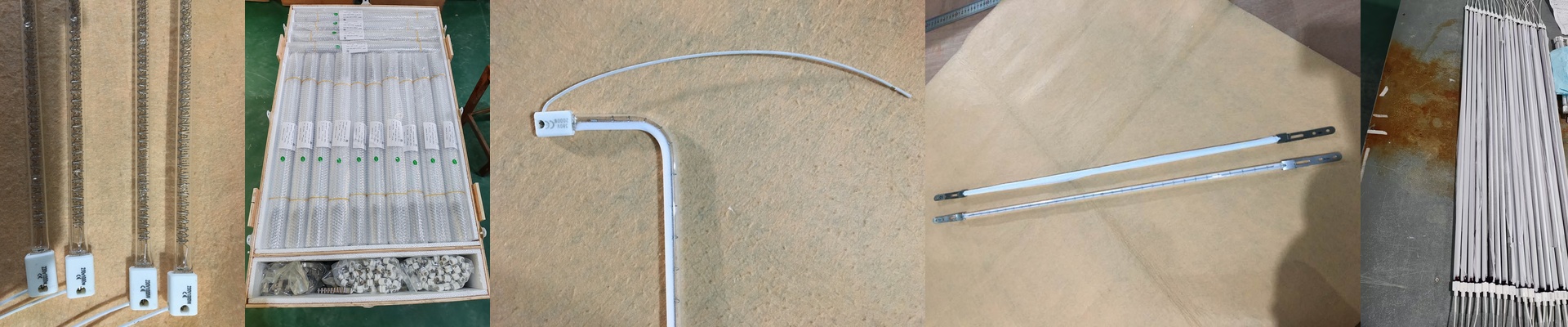
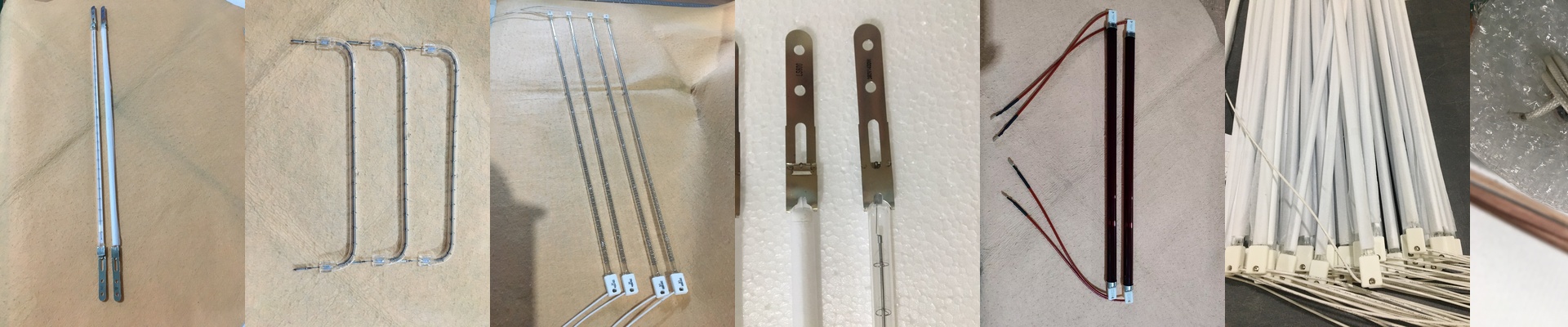
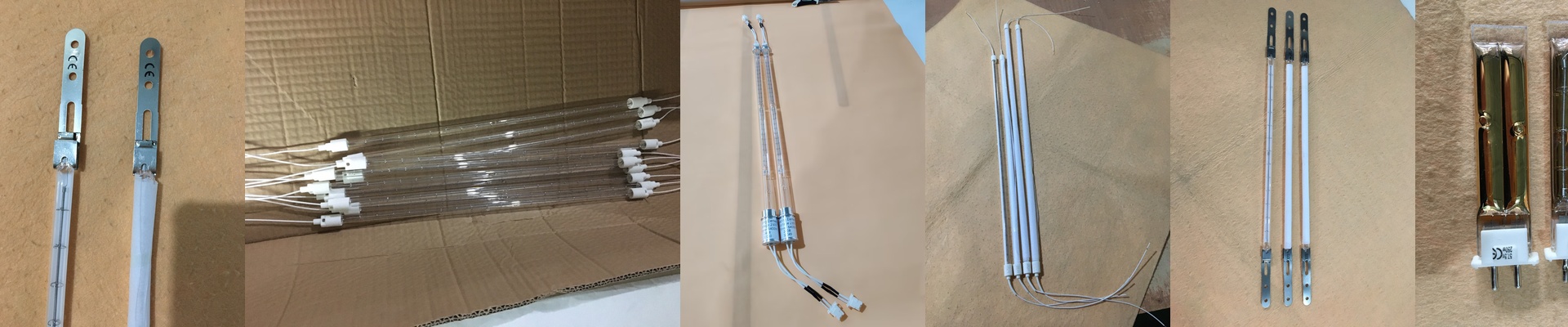
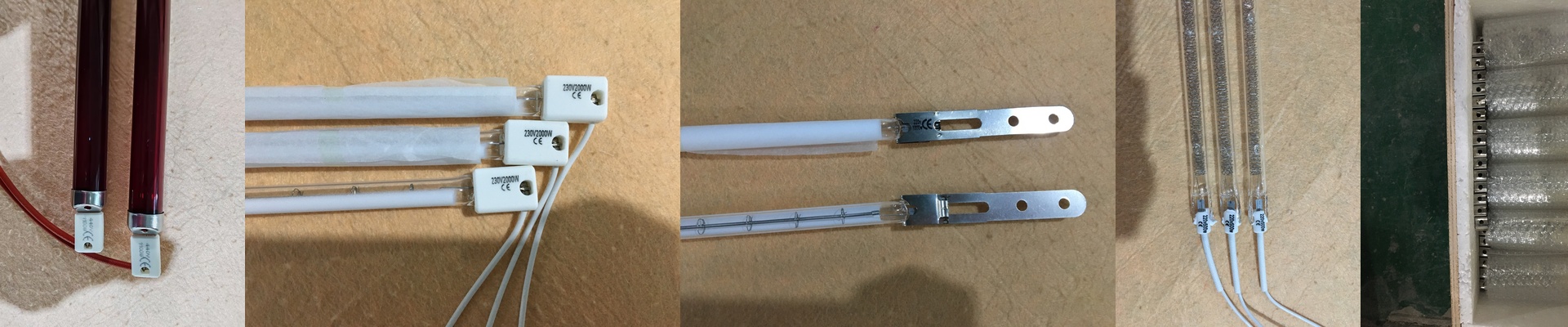
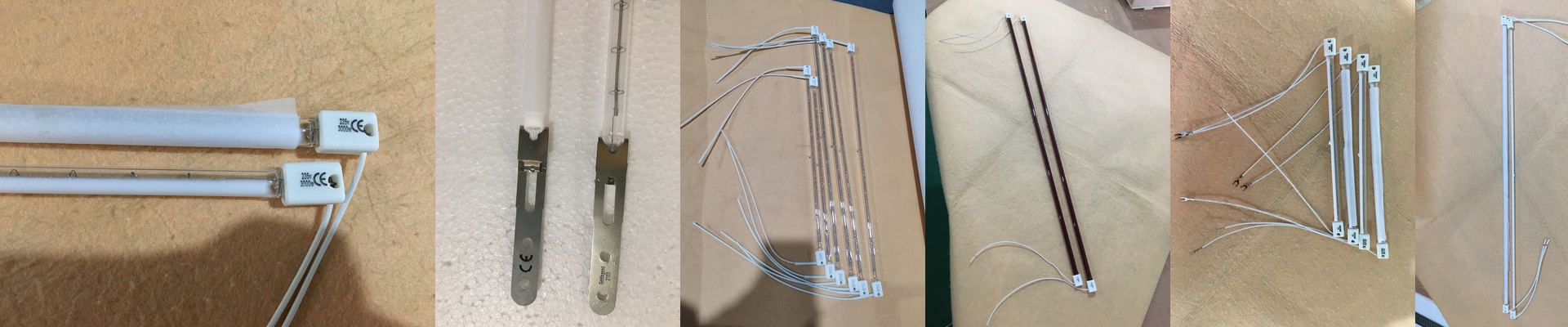
Picture this: you’ve got a tight spot that needs serious heat, and you can’t afford to mess around. That’s exactly why we built this twin tube halogen heater lamp. It’s made for industrial jobs where space is at a premium and the heat has to hit hard. The 115V, 600W rating isn’t just a random number—it’s a perfect match for standard North American power. So you can plug it in and get to work, no extra transformers needed. And the twin-tube design? That’s the secret sauce. You get two powerful infrared sources packed into one small footprint, so all that heat goes exactly where you need it.
The Power, the Voltage, the Layout
Let’s get into the details for a second. A 600W halogen lamp is all about the current. Running on 115V, it pulls about 5.2A steady state. That means you’ve got to make sure your wiring and connections are up to the task. The twin-tube layout is what keeps the whole unit so compact while still packing a serious watt density punch. That’s what gives you that fast warm-up and quick response when you need to change temperatures on the fly. But here’s the thing—all that power comes with heat. You’ve got to manage it. The fixture, the reflector, everything around it has to be able to handle the heat load. If you’re using this in a closed-off space, you’ll need to double-check the ventilation and clearances. You don’t want the surrounding wiring or sensors getting too hot.
What It’s Built From
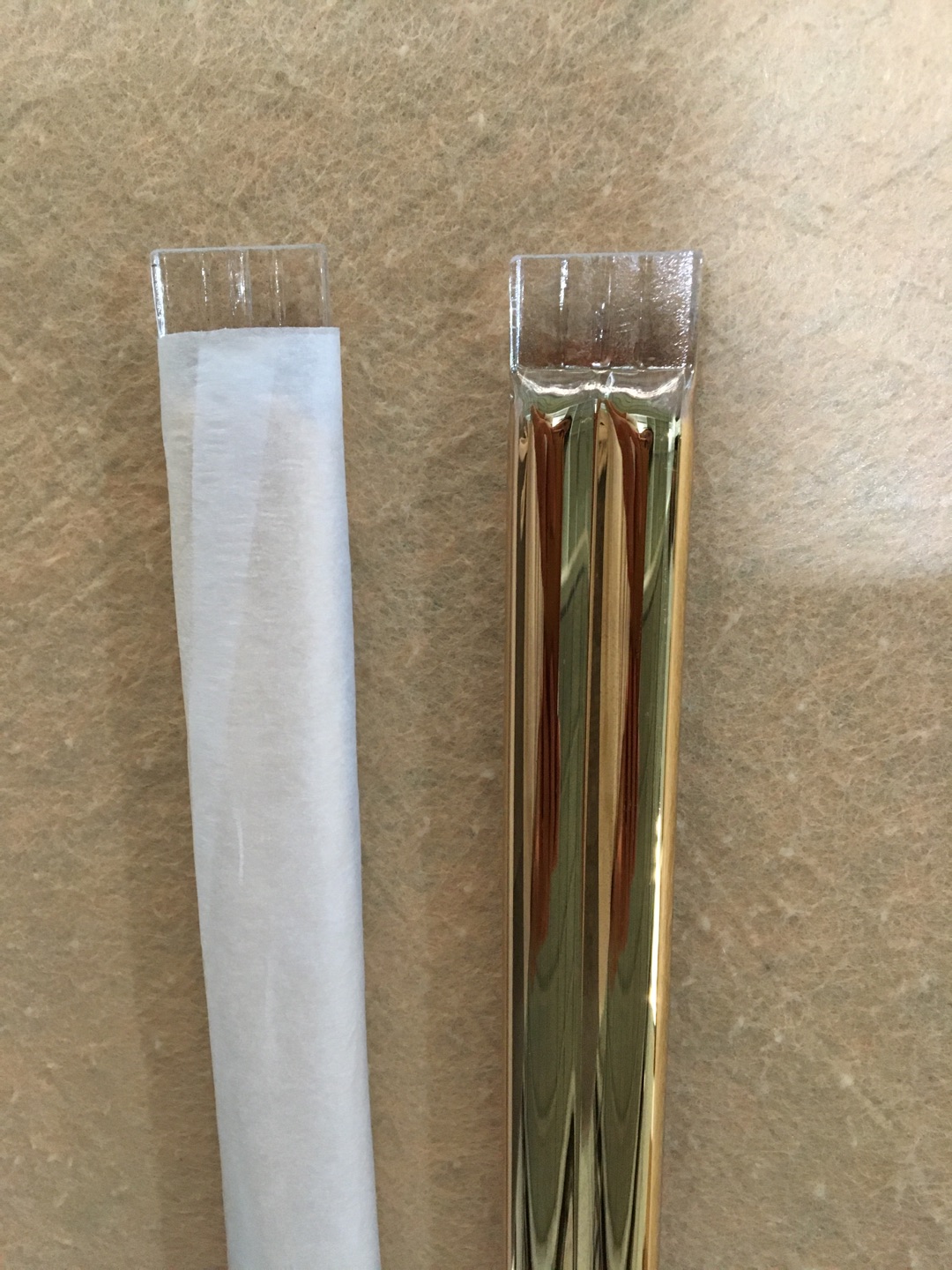
The filament inside this thing runs scorching hot—over 2,000°C. But the halogen cycle is what keeps it in tip-top shape. It grabs the evaporated tungsten and puts it right back on the filament. So the lamp stays bright and stable instead of dimming and blackening over time. The tubes themselves are quartz, not regular glass. Quartz can handle the shock of rapid on-off cycling and lets the shortwave infrared pass right through for that fast surface heating. The twin tubes sit in a tough base with solid strain relief. The terminals are built to stay tight, even after countless heating and cooling cycles. And when it’s time for a replacement, make sure you match the base type and pin spacing. Getting that wrong means a poor connection and misalignment.
Where It Shines
This is your go-to when you need intense, focused infrared heat in a small space. Think plastic welding, curing adhesives, drying coatings, or preheating small parts. The twin-tube shape lets you heat a narrow strip or two spots side-by-side without stacking separate heaters. That means less mounting hardware and easier service. The response is almost instant. The filament and quartz tube hit operating temperature quickly, so you can fine-tune your cycles with precision. Just keep the trade-off in mind: this thing is powerful, and it gets hot around it. Plan your mounting, add some shielding, and make sure there’s cooling. That way, it does its job without cooking the rest of the machine or becoming a burn risk. For engineers, it’s a practical solution: standard 115V power, high heat density, and a compact size that fits where other heaters just won’t.