What 2,000 Shop Floor Audits Taught Us About Curing Lamps
I’ve spent a lot of time walking through spray booths and curing lines. After about 2,000 of them, I noticed something frustrating. There is a massive gap between a lamp that looks great on a spec sheet in a lab and a lamp that actually survives the grit of a real production floor. Most of the time, lamps fail simply because they weren’t built for the chaos of a real workshop.
Getting the Heat Right
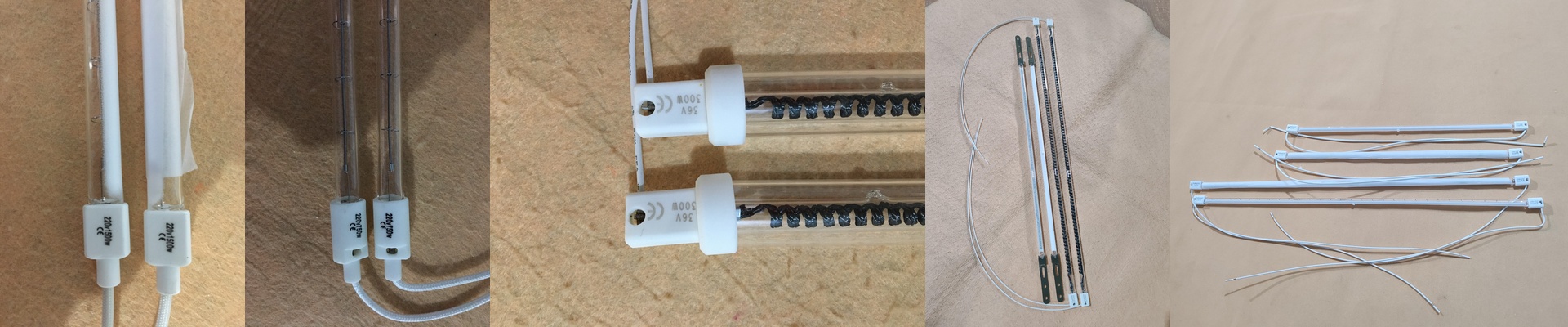
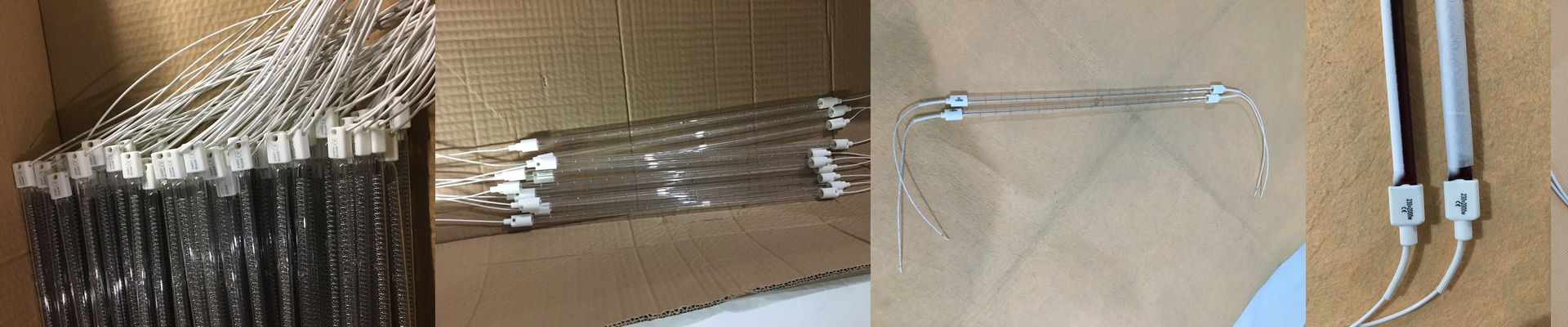
We focus heavily on heat density. If you’re working with powder coatings or UV resins, you need that temperature to spike fast. To get that, we pack a lot of wattage into a small footprint. But here’s the catch: pushing that much power into a short quartz tube puts a ton of stress on the ends. If your voltage jumps around, the filament snaps. It’s that simple. To stop that from happening, we keep the voltage tolerances tight. It keeps the lamps from burning out the moment your power fluctuates.
The Stuff They’re Made Of
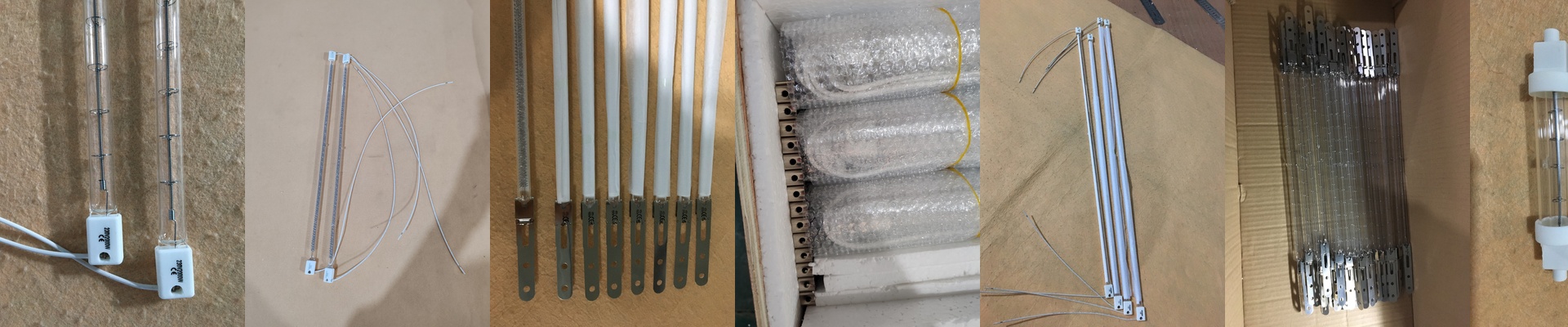
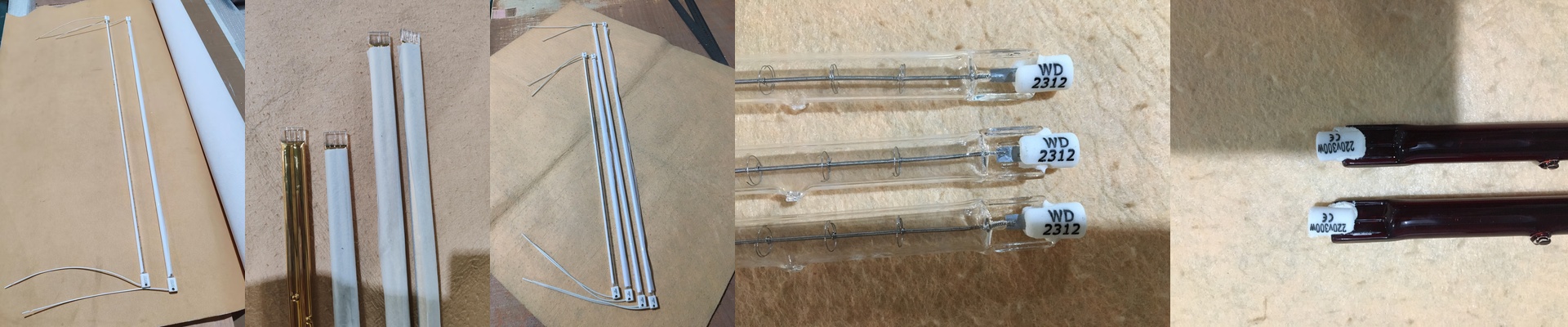
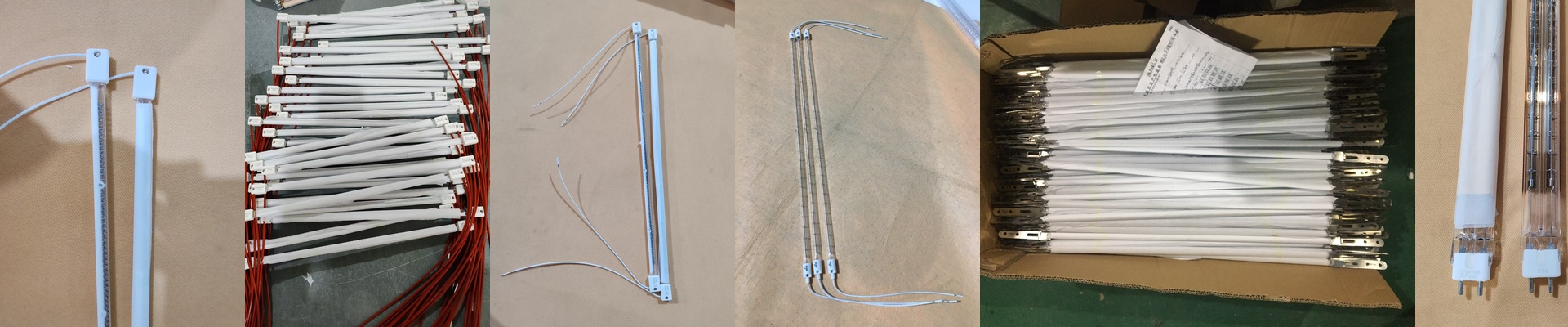
Quartz is the go-to material, but the real magic is in the coating. We use specific coatings to shift the emission spectrum. Why? Because we want the heat hitting your part, not just warming up the air in the room. Then there’s the wiring. We stick with R7s or Sk15 connectors. I’ve seen too many teams waste hours rewiring a whole rack just to replace one blown tube. That’s a nightmare. These connectors just drop right in. They lock tight and can handle the metal expanding and contracting as the lamp hits peak temp.
Making It Actually Work
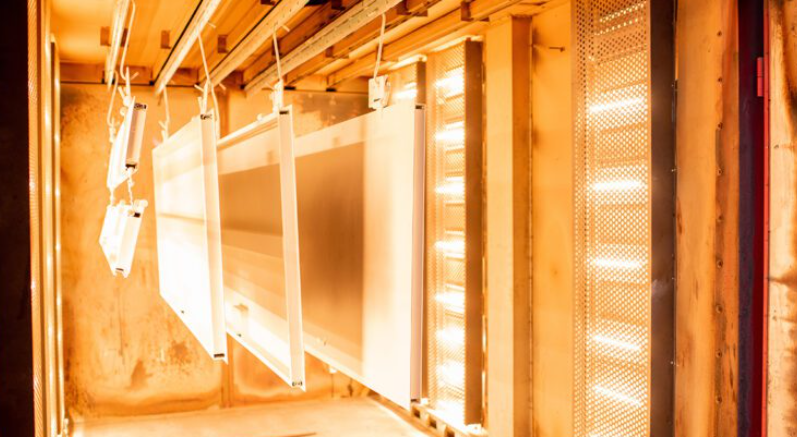
Look, these aren’t “plug and play” magic wands. If you use a high-output shortwave lamp but your conveyor is crawling, you’re going to scorch your work. You’ve got to find the sweet spot between your wattage and your line speed. We build these to take a beating from heat cycles and chemical fumes, but you have to do your part. Keep your reflectors clean. A bit of dust on a reflector will kill your efficiency way faster than any electrical glitch ever could.