Fixing the “Cold Spot” Headache in Aluminum Curing
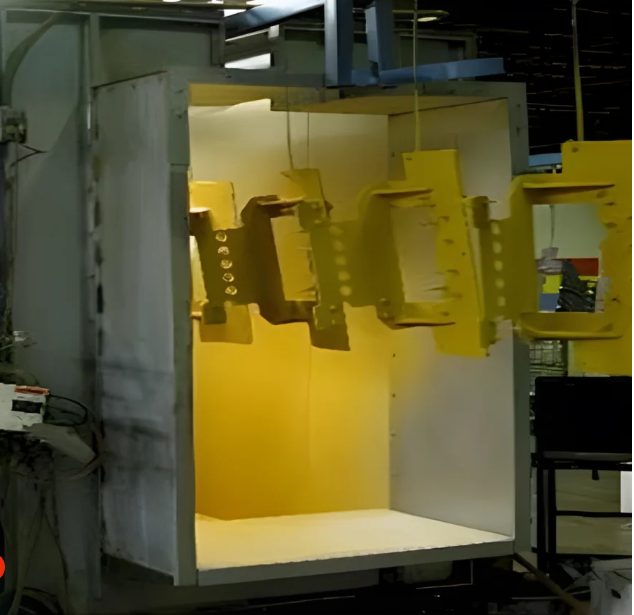
A buddy of mine runs a pretty big aluminum plant, and for about six months, they were losing their minds over their curing line. The profiles coming off the belt were a mess—some parts were cured perfectly, others were still tacky. It meant a ton of wasted material and a lot of frustrated guys on the floor. When we stepped in to take a look, we realized the oven temperature was actually fine. The real culprit? The infrared (IR) distribution was all over the place.
Getting the heat where it actually belongs
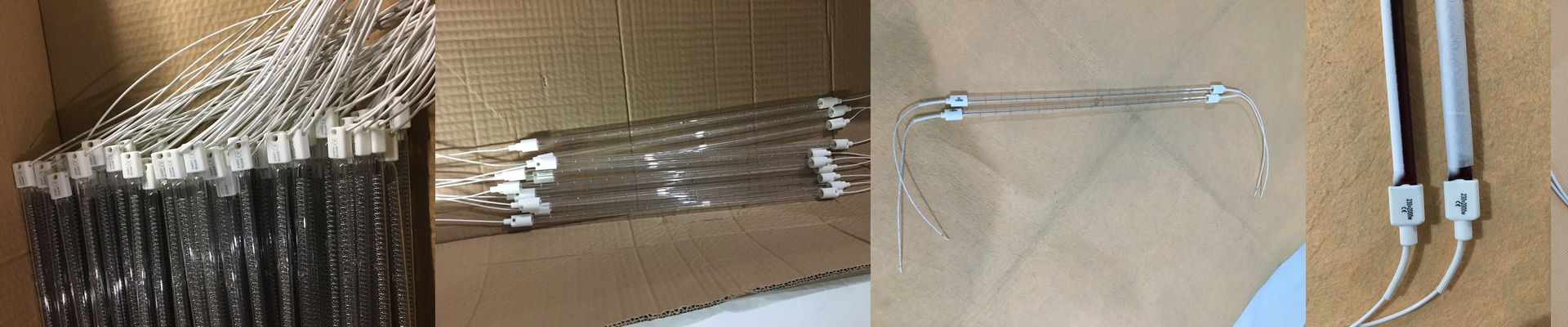
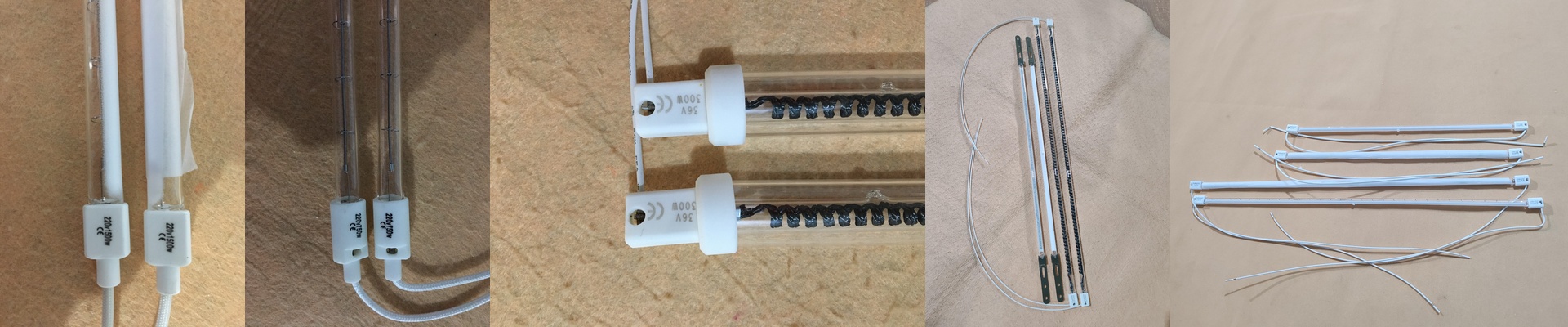
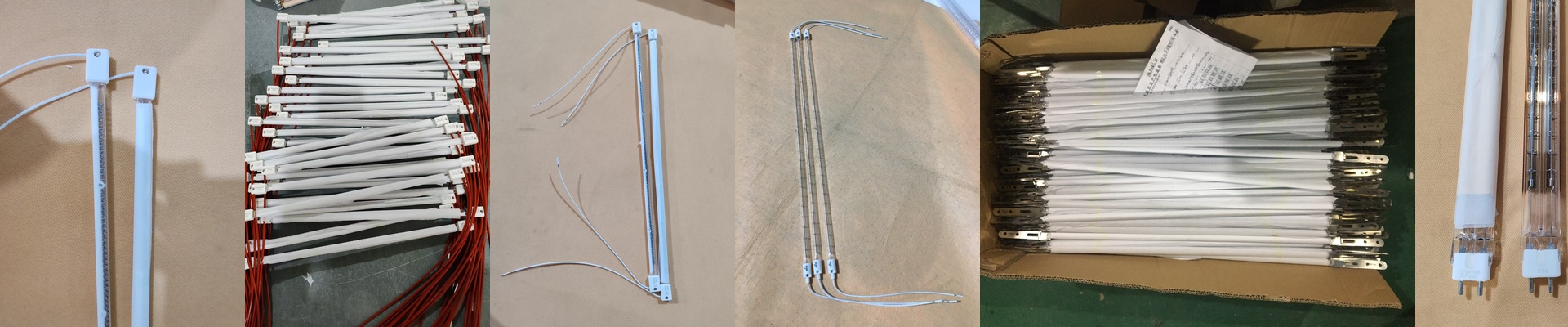
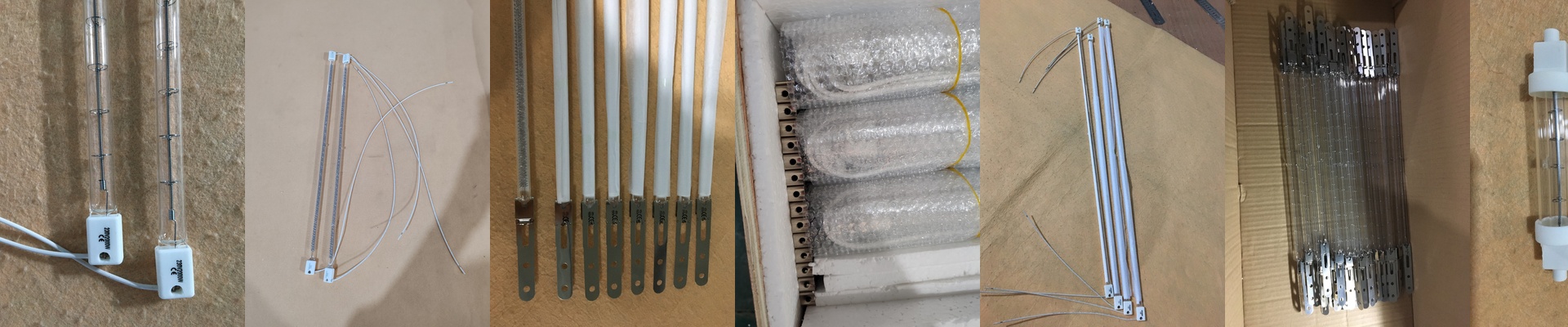
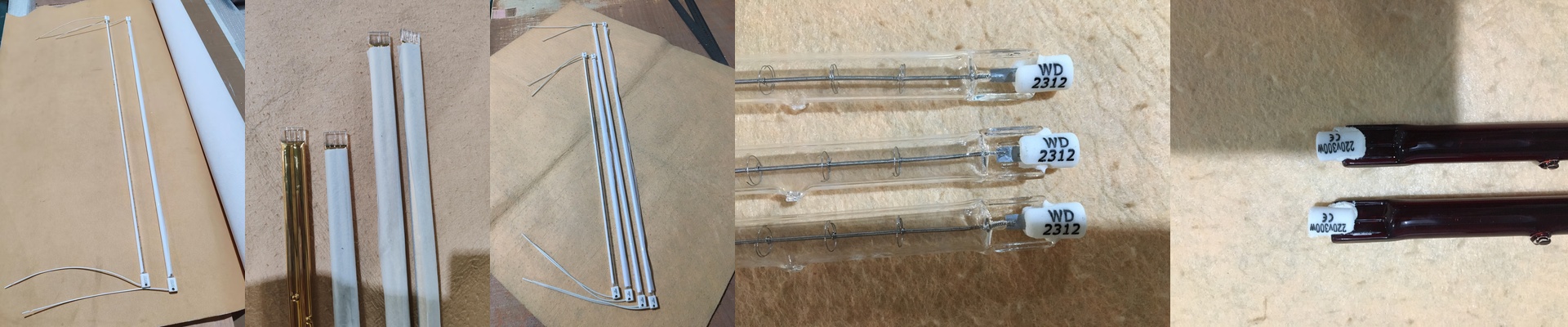
We started by ditching the generic lamps and swapping them for certified shortwave IR lamps. Here’s the thing: shortwave radiation hits the surface faster and carries way more punch. To stop the edges from cooling off, we matched the lamps exactly to the width of the conveyor. No gaps, no guessing. We also spent a lot of time obsessing over the wattage-to-length ratio. It’s a delicate balance. If you jam too much power into a short tube, you’ll burn the coating. Too little? The center of your profile stays sticky. We tweaked the voltage and wattage until the heat felt flat and consistent across the whole zone.
Real-world gear for a messy shop floor
We didn’t just stop at the bulbs. We used high-purity quartz glass with a special coating. This makes sure the heat actually sinks into the aluminum instead of just warming up the air in the room. We also swapped in heavy-duty terminals because, let’s be honest, industrial vibrations will shake a cheap connection loose in a heartbeat. But you can’t just “set it and forget it.” These lamps put out an incredible amount of heat. If your reflectors get dusty or if they’re tilted by even a couple of degrees, you’re going to see streaks in your finish. Your team has to keep those reflectors polished to keep the heat throwing straight.
The payoff (and one heads-up)
Once the new setup was humming, the gaps vanished. Rework dropped off a cliff, and they were finally able to crank up the line speed. Just a word of warning if you try this: moving to higher-wattage lamps puts more stress on your electrical panels. Before you flip the switch, double-check that your breakers and wiring can handle the extra current. Nobody likes a nuisance trip in the middle of a shift.