Let’s Talk About Halogen Quartz IR Lamps
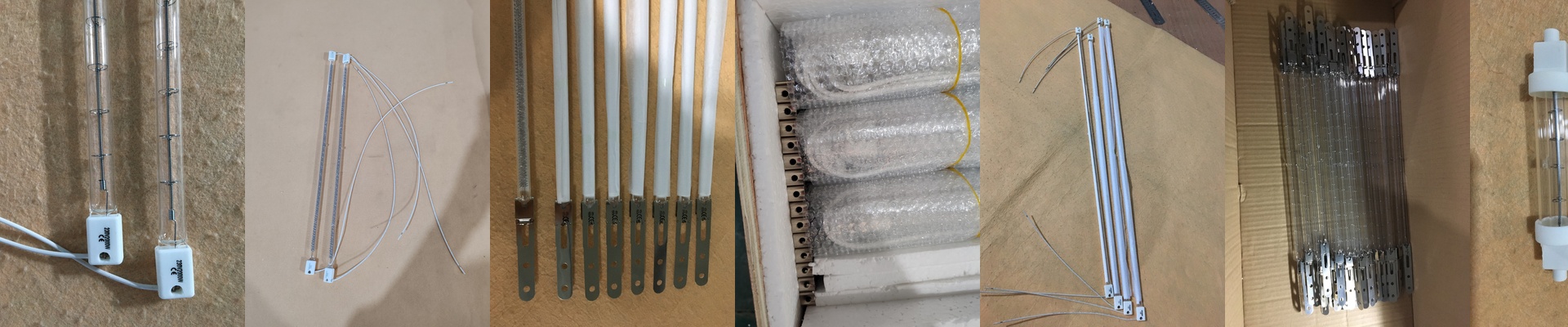
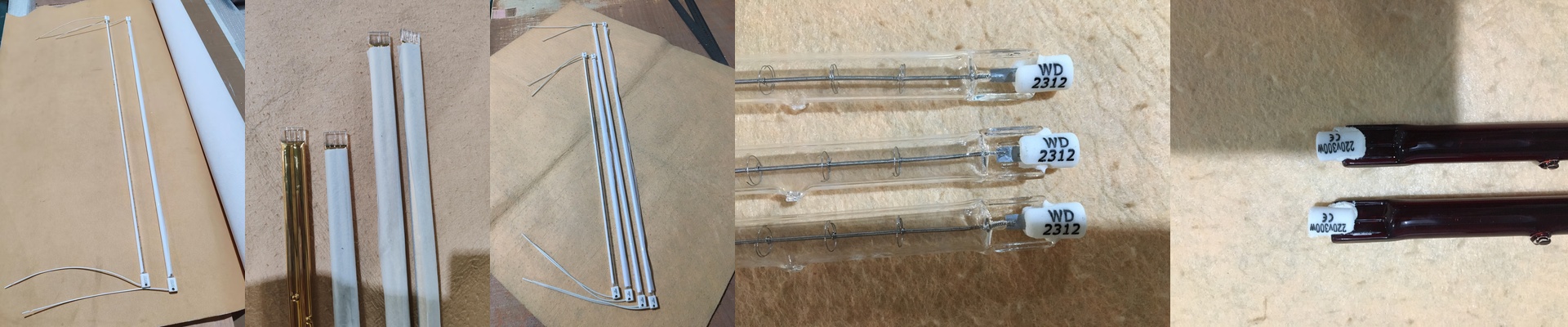
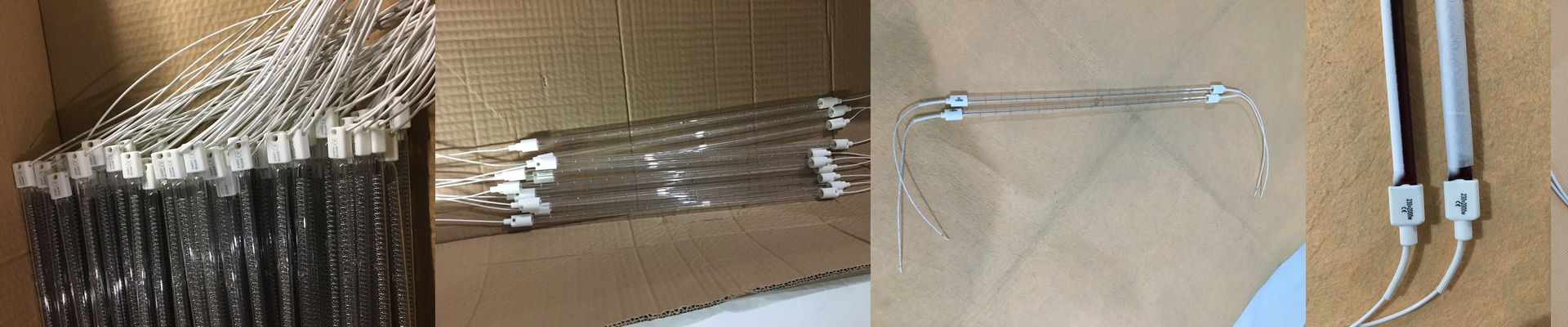
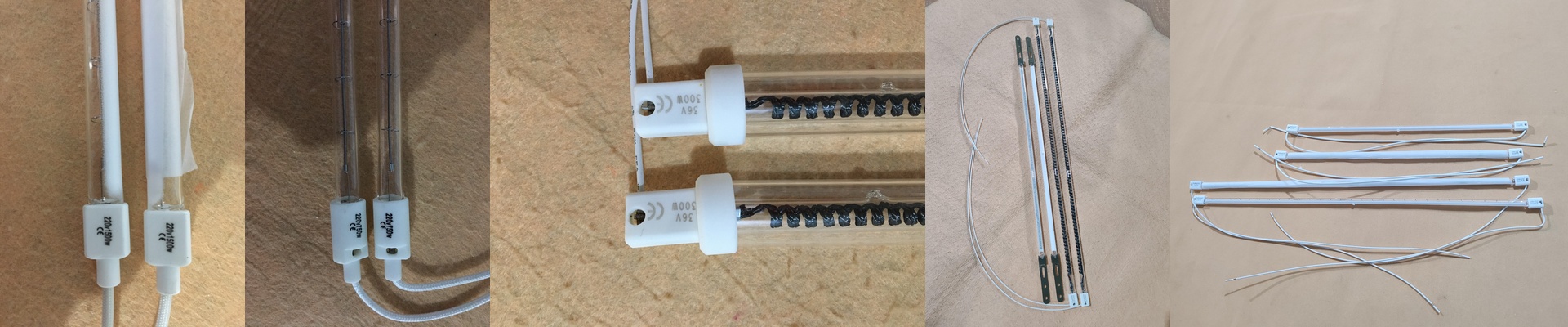
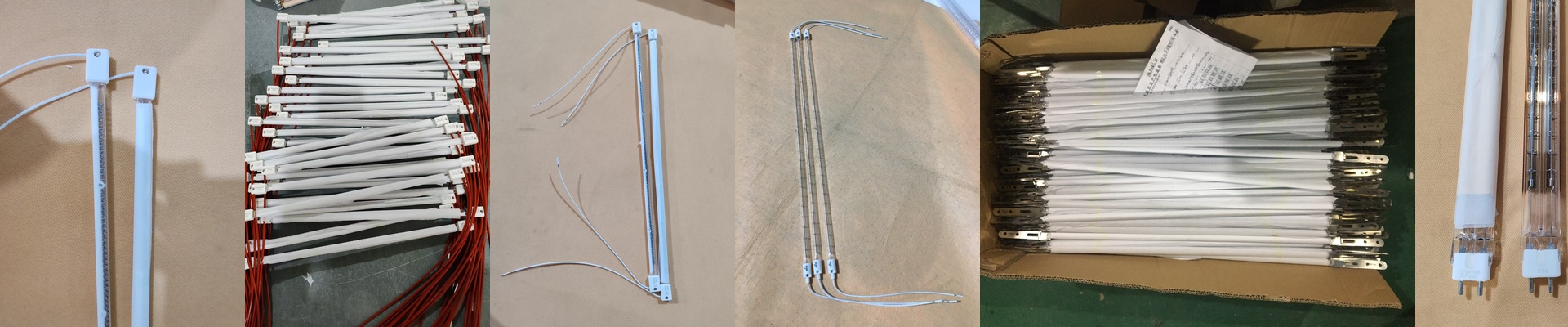
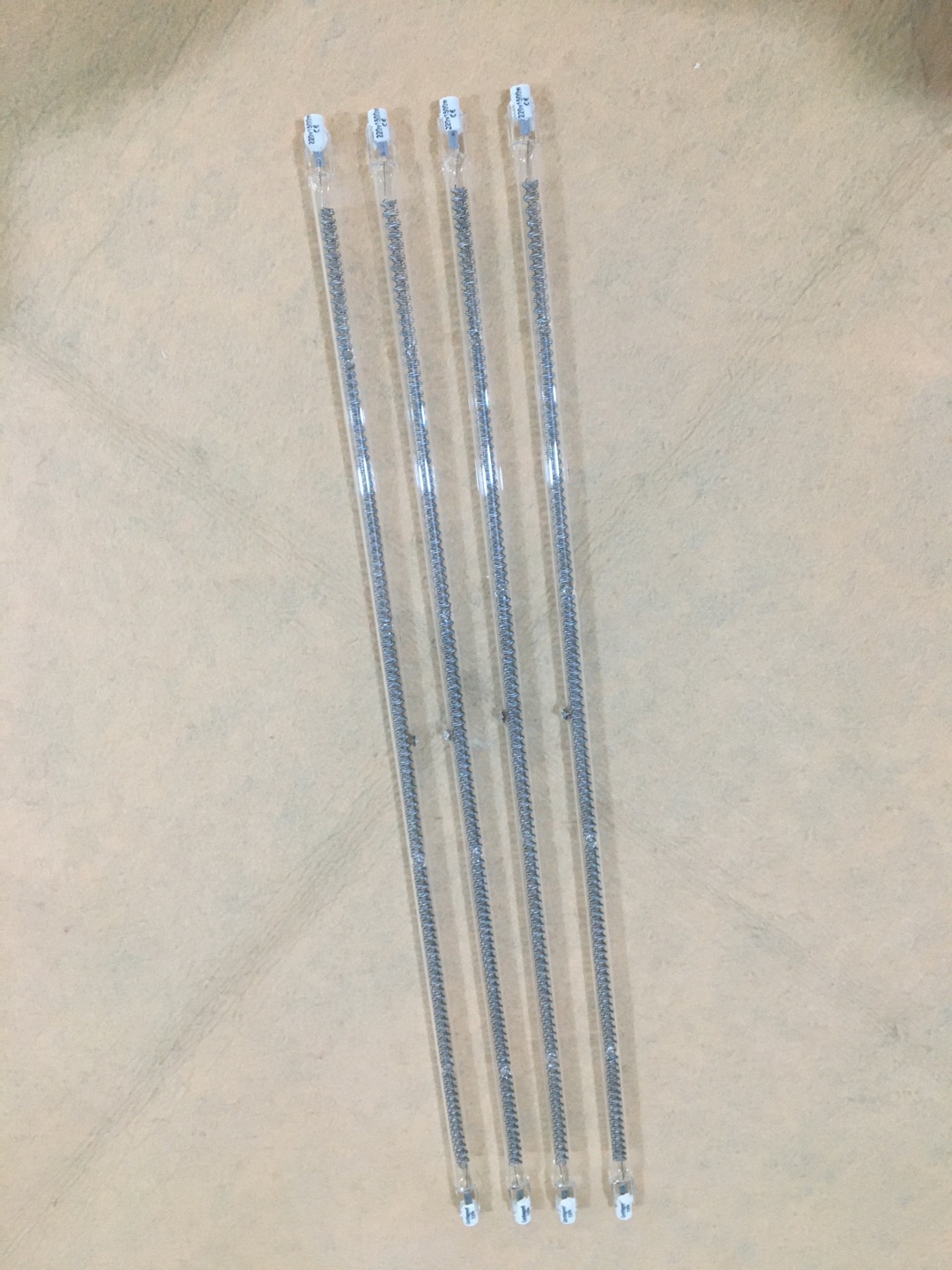
If you’re dealing with industrial drying, you know the struggle. You need heat, and you need it now. That’s why we build our halogen quartz lamps the way we do. Instead of just warming up the air or grazing the surface of your product, these lamps push high-intensity short-wave infrared (SWIR) radiation deep into the material. It’s a tight, concentrated beam. It doesn’t just sit there; it penetrates. The nitty-gritty on power When we’re talking specs, it really comes down to heat flux. Basically, if you want a higher surface temperature, you need more wattage per millimeter. Here’s a pro tip: high-voltage tubes give you a tiny footprint but a massive amount of heat. It’s efficient, but you’ve got to be careful. Make sure your power supply and wiring can actually handle the draw. If the gauge is too thin, you’ll get voltage drops, and that’s a headache you don’t want. Also, these things gethot. Like, really hot. If your oven housing isn’t vented properly, you’re just asking for the lamp ends to burn out early. Why the quartz matters The glass envelope is the heart of the lamp. We use high-purity quartz because it doesn’t cloud up or crack when the temperature swings wildly. And the halogen cycle? That’s the secret sauce. It stops the tungsten filament from evaporating and sticking to the walls. This means your light output stays steady for thousands of hours. You aren’t constantly fighting a dimming lamp. Plus, we use R7s or Sk15 bases. They’re standard for a reason. You can just pop them into most industrial oven racks without having to tear apart your whole fixture. It’s a simple swap. Getting them to work for you These are perfect for things like PET blowing, curing paint, or drying ink. The best part is they hit full temperature in seconds. You can set them up in zoned arrays to dial in the exact temperature profile as your product moves down the conveyor. But a word of caution: the intensity is no joke. If you mount them too close, you’ll scorch your material. You’ll need to spend a little time calibrating the distance and the cycle time to make sure it fits your specific material thickness. Just a bit of trial and error, and you’re golden.