Let’s Talk Industrial Halogen Heating
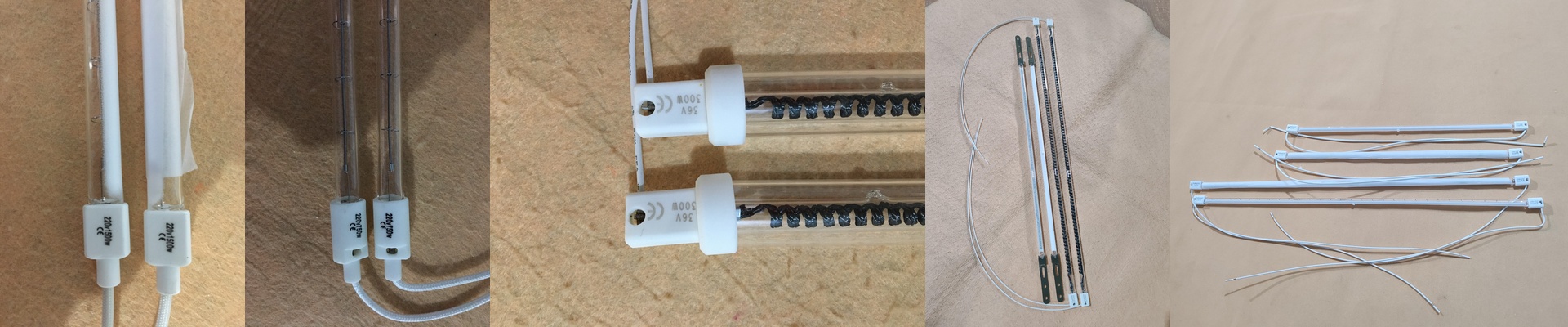
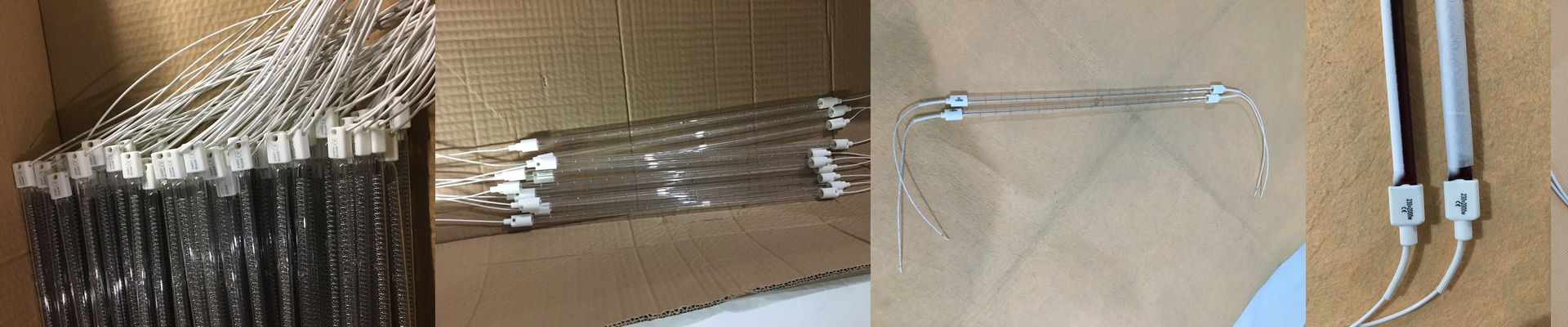
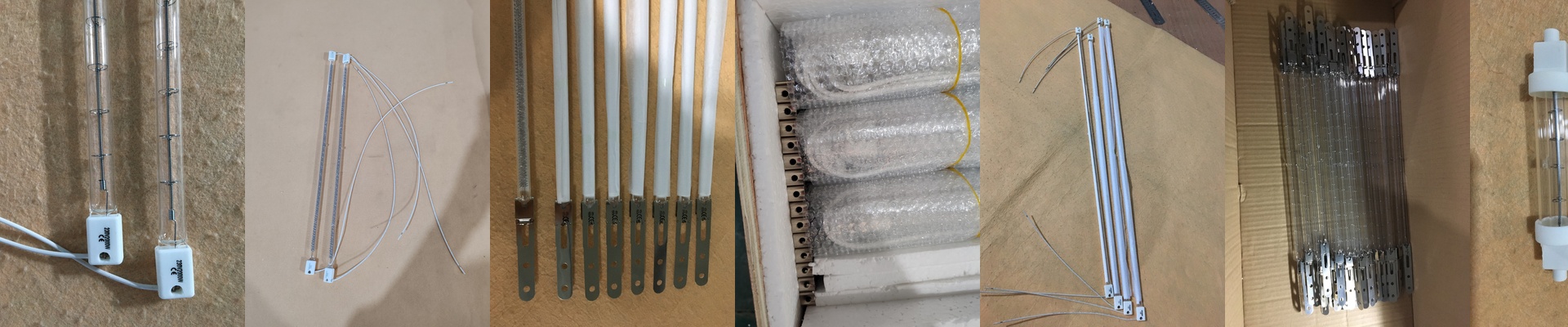
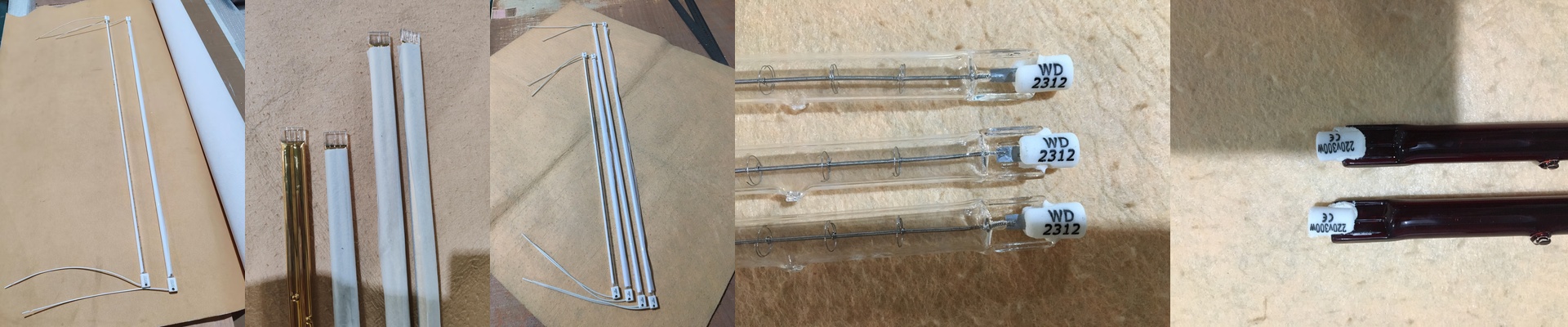
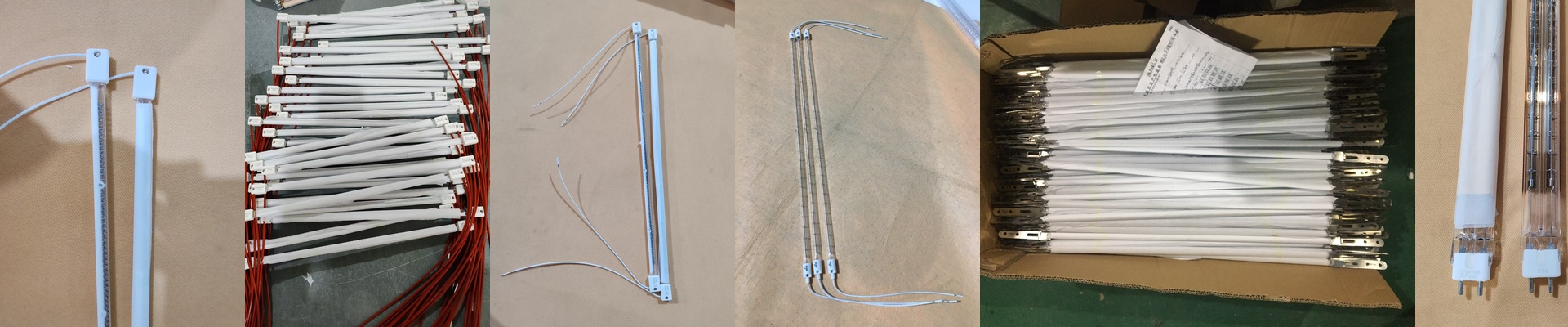
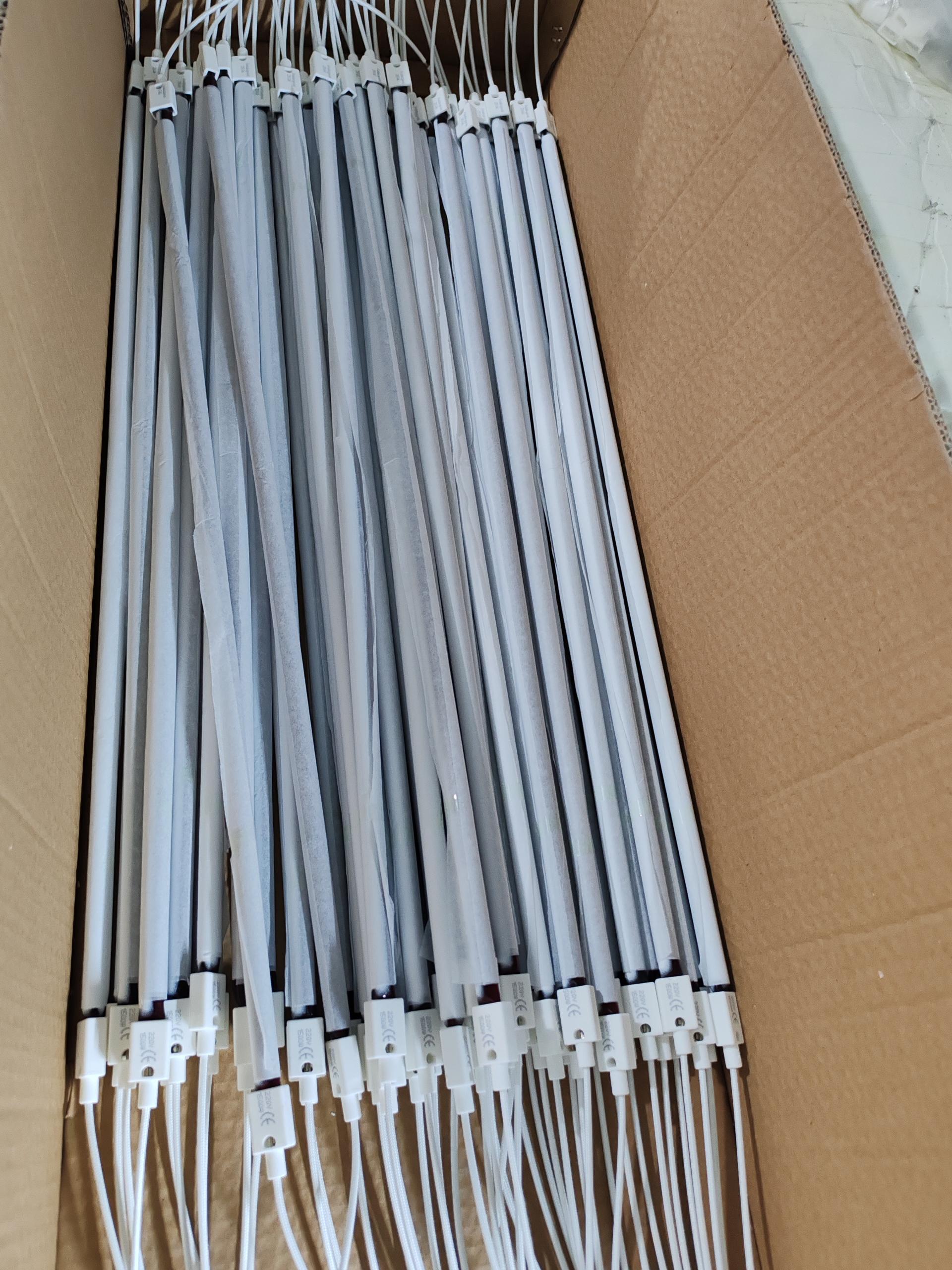
If you’ve ever dealt with traditional resistive heating, you know the frustration. It’s slow. It takes up way too much room. Sometimes you just need a massive hit of heat, and you need it right now. That’s where our halogen lamps come in. They aren’t just lights; they’re basically heat cannons designed to move thermal energy fast. The Nitty-Gritty on Power Here’s how we handle the power side of things. It’s all a balancing act between voltage, wattage, and the length of the tube. For example, if we bump things up to a 400V setup, we can cram more wattage into a shorter tube without blowing a circuit. The result? Your equipment heats up way faster. But a word of warning: when you’re packing that much power into a small space, things get hot. Really hot. Make sure your cabinet cooling is up to the task, or your controllers are going to start sweating. Built to Last (and Not Break) We use high-purity quartz glass because, frankly, anything else would melt or crack under the pressure. Inside, there’s a halogen gas that does a clever little trick: it stops the tungsten filament from evaporating and sticking to the glass. This keeps the tube crystal clear, so you don’t lose your heat output over time. As for how they fit into your machine, we’ve got options. If you want something you can just slide out and replace in seconds, go with the R7s bases. But if your machine shakes or vibrates a lot, you’ll want the Sk15 or welded pins. They stay put. No rattling, no loose connections. Plus, we can add a special coating to some tubes. This steers the heat exactly where it needs to go—straight into your material—instead of just warming up the air in the room. Putting Them to Work You’ll see these most often in PET blowing or plastic curing. In those jobs, you need that instant thermal punch to soften the preform before you blow it. The best part? These are usually drop-in replacements. You can swap your old heaters for these without having to rip out all your wiring and start from scratch. Just double-check that your voltage matches your transformer. If you don’t, you’ll burn out the filament the second you flip the switch.