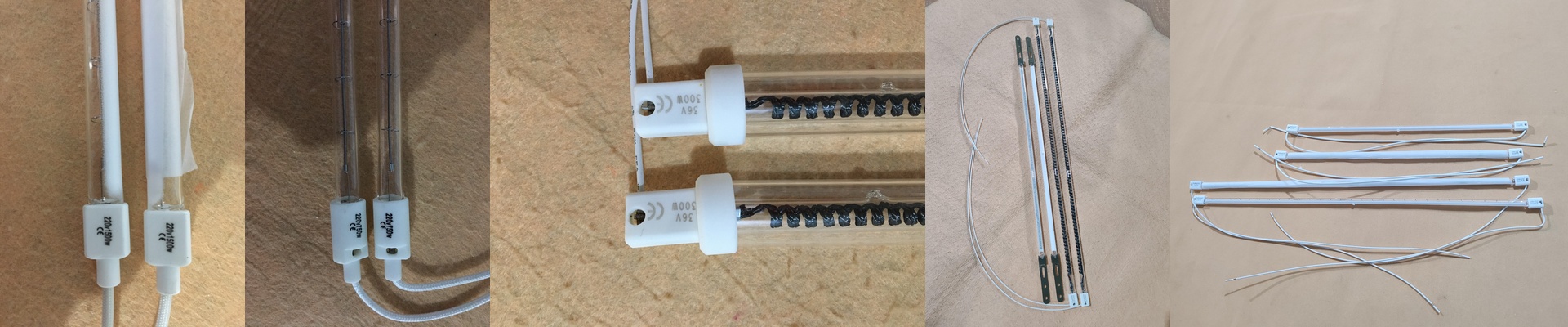

Getting the Light Right: Why the Science Matters
We don’t just put bulbs in lamps. We obsess over the light itself. If you’re exporting fabric lamps globally, you know the struggle. You spend weeks picking the perfect textile, but the moment you turn the lamp on, the color looks… off. Maybe it’s too orange. Maybe it’s a bit sickly. That happens because of the spectrum. We spend our days in the lab fighting for a few nanometers of difference so your brand colors actually look the way they’re supposed to. The struggle with “drift” Most generic lamps have a habit of shifting. They might look great on day one, but as they age, the light drifts toward the red or blue end of the scale. It’s annoying. We stop that from happening by being picky about the materials. We use high-purity quartz and a specific tungsten alloy. It’s a bit more work, but it means the light stays stable. You get a consistent glow that doesn’t change just because the bulb has been running for a few months. The grind in the lab Here is where it gets tedious. Our R&D team uses spectrophotometers to map out every single batch. We’re hunting for “dips” in the light spectrum—those invisible gaps that make a vibrant fabric look muddy or dull. To fix this, we mess around with the internal pressure and temperature while we’re sealing the lamp. It’s a lot of trial and error. It’s a grind. But that’s the only way to get the photon distribution exactly right. It’s what makes an industrial-grade lamp feel different from something you’d pick up at a discount store. A quick heads-up on power There is a trade-off, though. When you build something this precise, it’s a bit more sensitive. If you try to over-volt these lamps just to make them brighter, you’ll ruin the color temperature we worked so hard to dial in. Plus, if your power supply is shaky, you’ll see it. The light will flicker, and the colors will shift. We’ve done the hard part in the lab, but you’ve got to keep the electricity stable on your end to keep that light looking perfect.