Stop Guessing Where Your Lamps Go in Large Stenters
Setting up a massive fabric stenter machine is usually a headache. If you’ve ever been on the shop floor, you know the drill: engineers spending hours manually tweaking lamp heights and angles, basically just hoping they’ll hit the right temperature across the fabric. It’s a lot of trial and error. And when that guesswork fails? You end up with fabric that shrinks unevenly or, even worse, scorched edges that you have to scrap. We decided to stop the guessing game by using digital twins.
Getting the Heat Right
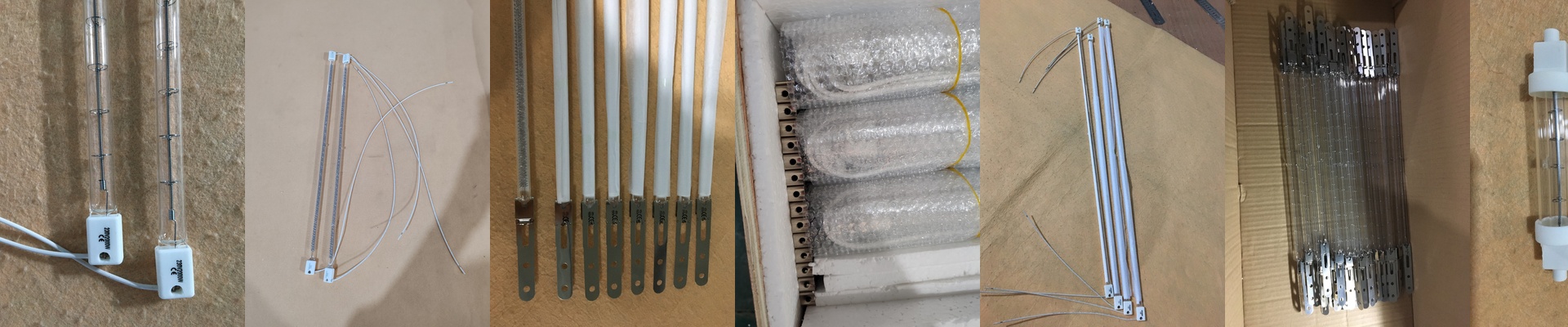
The whole goal is simple: you want the heat to be the same everywhere. But in reality, that’s tough. The heat density changes based on how far the quartz tube is from the fabric and how the radiation patterns overlap. Instead of messing around with the hardware, we build a digital map of every single lamp’s coordinates. We run a simulation to see exactly how those infrared waves hit the fabric. It lets us spot “cold spots” in the middle or “hot zones” by the rails before we even plug the machine in. It’s a huge relief to know the heat is balanced before the power is even on.
Smarter Layouts, Less Stress
We don’t just throw lamps into a grid and call it a day. Our software does the heavy lifting, calculating the best angles and spacing based on the specific wattage and voltage you’re using. Take high-wattage short-wave lamps, for example. They penetrate deep, which is great, but they can burn the surface of the fabric if you aren’t careful. The simulation adjusts the footprint to spread that heat out. The best part? You don’t have to spend your entire afternoon tuning things manually on the floor.
Keeping it Real
Now, let’s be honest: simulation isn’t a magic wand. A digital twin is only as good as the info you give it. If your voltage is jumping around or your reflectors are covered in grime, the real-world results won’t match the screen. You still have to calibrate your sensors. But starting with a simulated layout is a massive win. It cuts the setup time in half. More importantly, it keeps you from burning through rolls of expensive fabric just to figure out where a lamp should sit.