Making Reggiani IR Heating Actually Smart
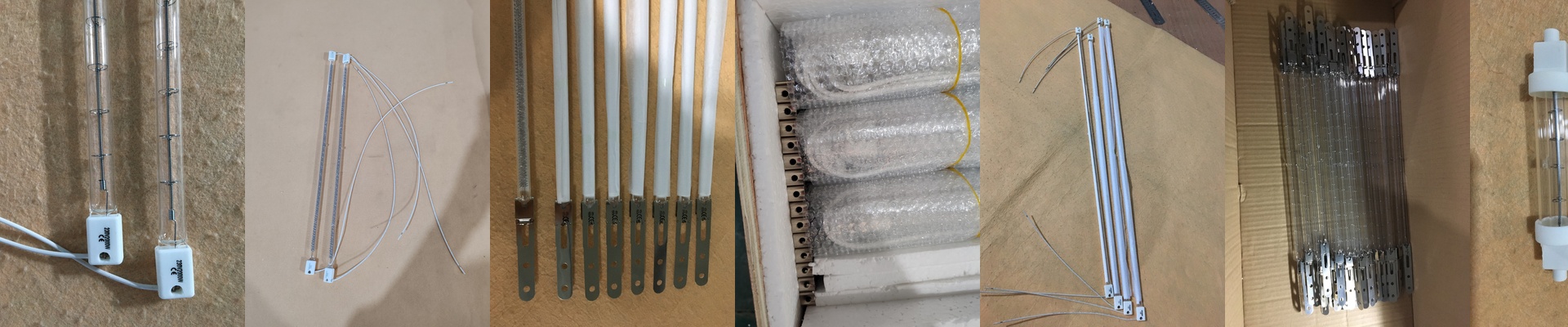
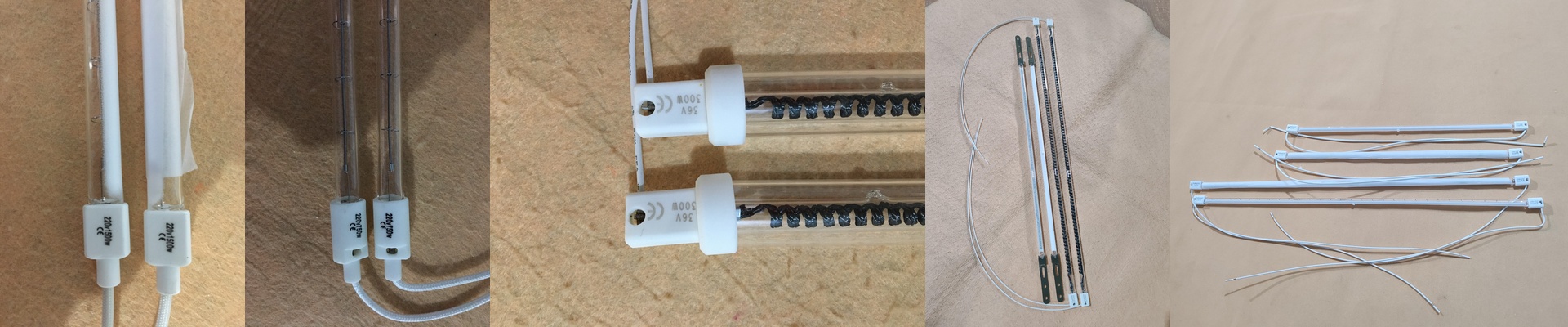
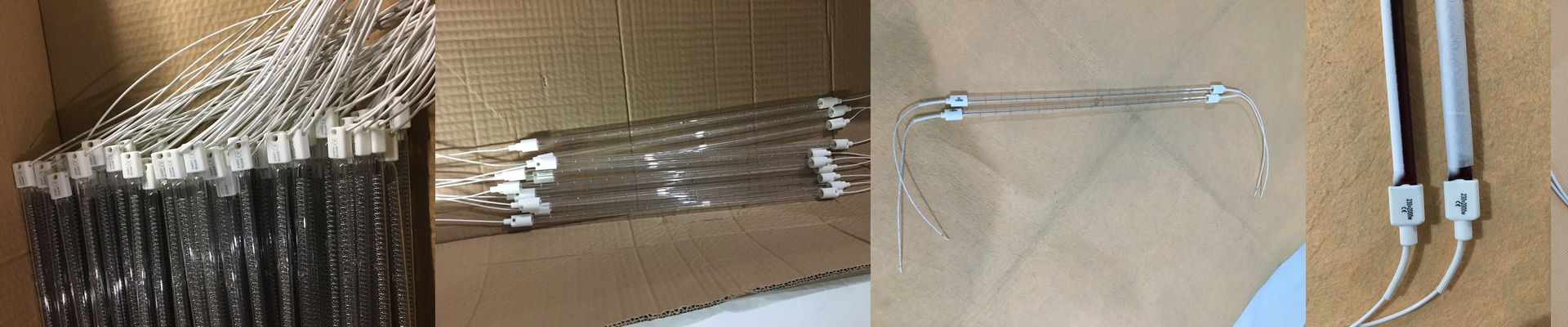
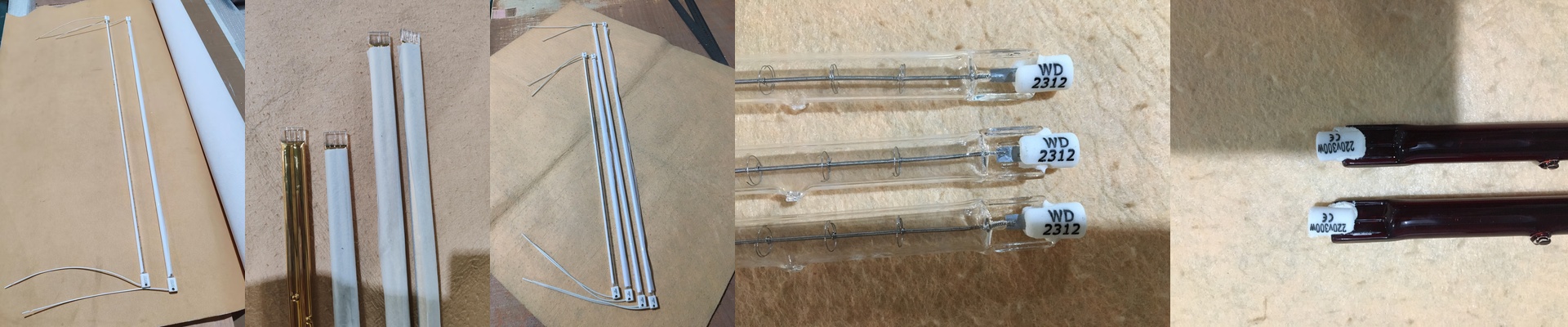
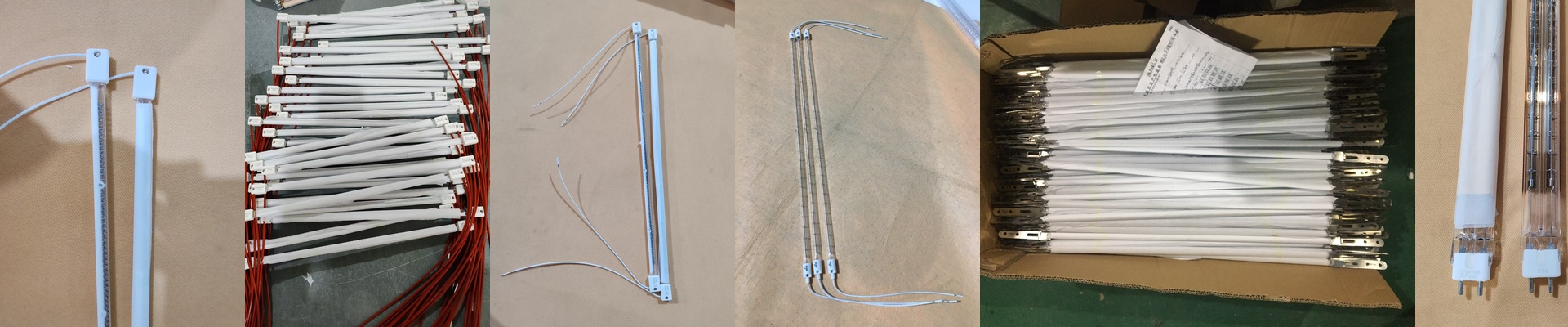
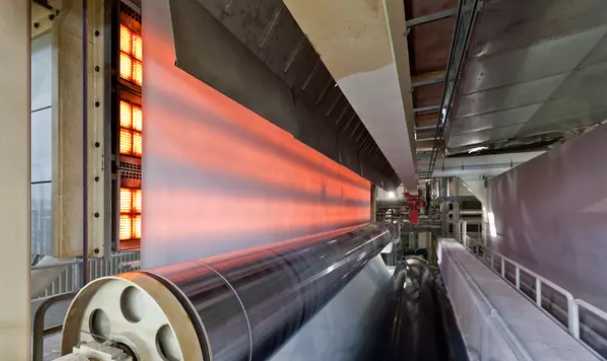
If you’ve spent any time around Reggiani machines, you know that getting the thermal profile just right is everything. It’s the difference between a perfect cure and a ruined batch of fabric. For a long time, we’ve basically been relying on “dumb” IR lamps. You know the ones—quartz tubes that either work or they don’t. They just burn out, and you’re left dealing with the fallout. But things are changing. Over the next few years, we’re moving away from that static setup and toward lamps that actually talk back to us. Lamps that tell you when they’re tired Standard IR lamps are pretty basic. To make them “smart,” we’ve started tucking sensors into the housing or the power controller. Now, we can track things like voltage drops and spectral shifts in real time. Here’s why that matters: when a filament starts to thin out, the resistance shifts. An IoT system catches that shift before the tube actually snaps. No more guessing when to swap them out or playing a game of chance with your production schedule. You just replace them based on the data. The messy part (the hardware) Now, this isn’t as simple as just downloading an app. It takes some real work under the hood. We’re talking about a hardware overhaul. You need controllers that can handle Modbus or MQTT to get that data back to the PLC. It makes the wiring a bit more crowded, for sure. Plus, putting sensors in a high-heat zone is a brutal environment. Those parts take a beating from the constant heating and cooling. If your cooling fans decide to quit? Those sensors are going to fry way before the lamp does. It’s a trade-off, but a fair one. What this actually feels like on the floor For the engineers, this is a huge weight off their shoulders. Fewer unplanned shutdowns. Less panic. Instead of walking around and manually checking every single tube, the machine just tells you which zone is lagging. It takes the guesswork out of your heat distribution. You get a digital map of the thermal footprint across the whole width of the fabric. It means you can stop running test strips every hour just to make sure things are still consistent. You just know they are.