Getting the Wavelength Right for MS JP7
We don’t just guess when it comes to wavelengths. With the MS JP7 series, the whole point is making sure the infrared emission peak actually hits the absorption band of whatever material you’re working with. If that spectrum is off? You’re basically just paying to heat up the air in the room.
The Science Bit
In the lab, we obsess over that tiny overlap where the lamp’s emission meets the material’s absorption. By tweaking the tungsten filament and the quartz envelope, we can push the energy into the short-wave or medium-wave range. This is a big deal. It means the heat actually sinks into the substrate instead of just scorching the surface. It all comes down to a careful dance between the temperature and the gas pressure inside the tube.
The Hardware
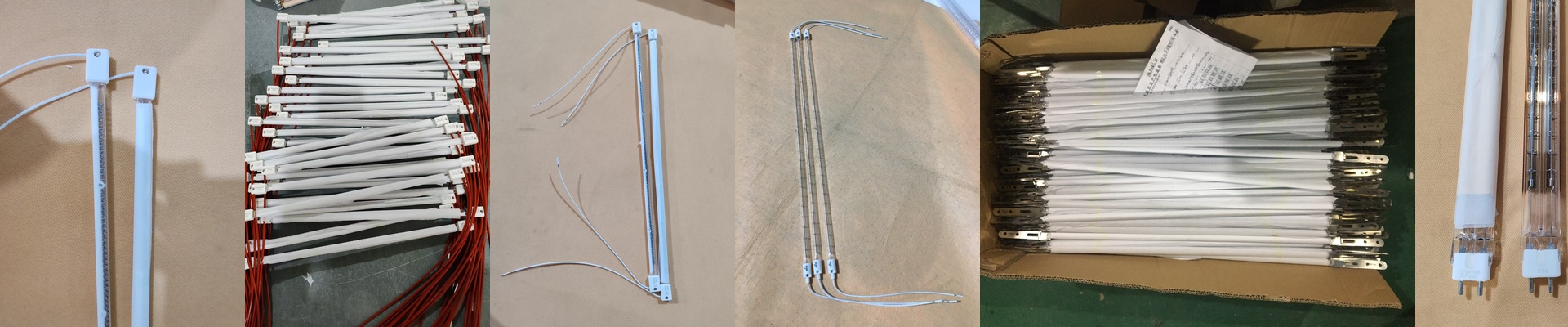
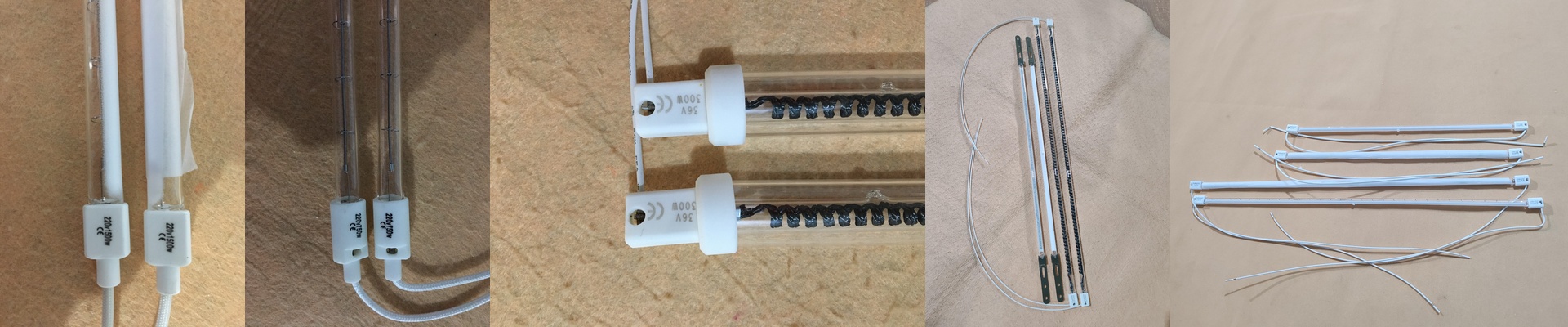
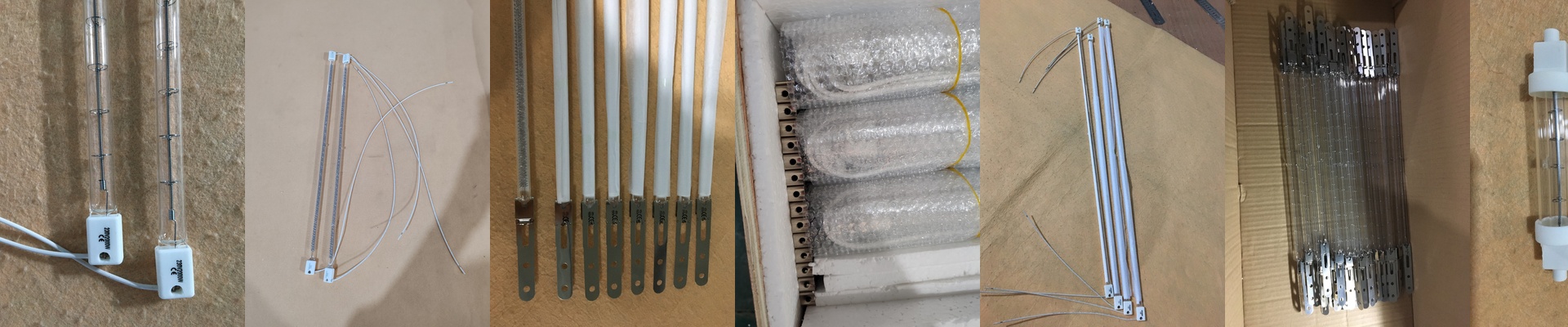
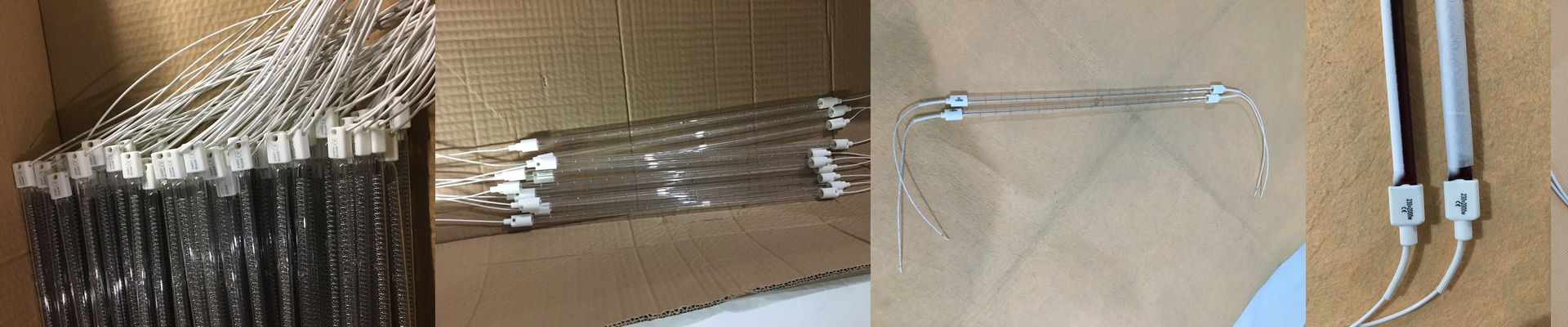
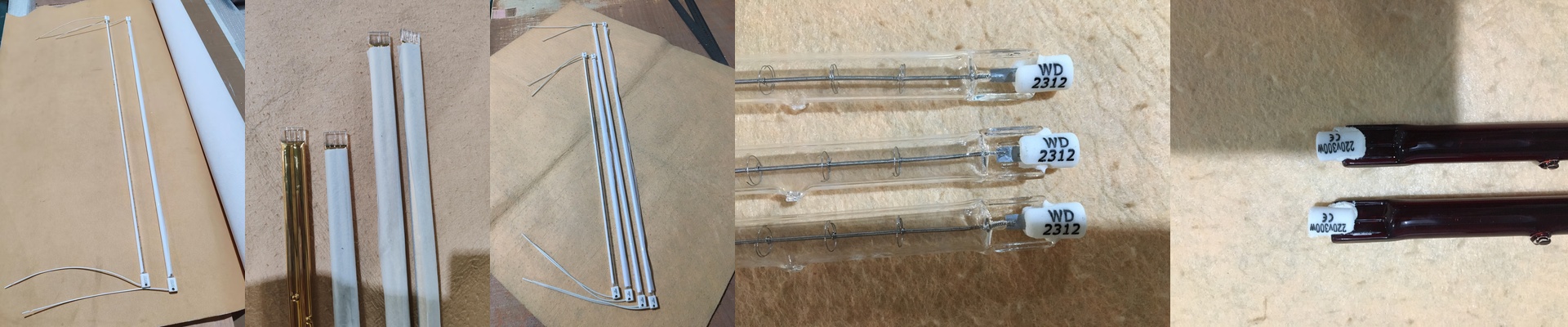
We use high-purity quartz because nobody wants their lamps clouding up early. The connectors are standard, too. They fit tight. No loose pins, no annoying arcing. We also keep the length and diameter tolerances incredibly strict so you can just slide these into your current rigs without any fuss. But here’s the thing: there’s always a trade-off. When you cram higher wattage into a small footprint, the heat density spikes. That means your reflectors have to be perfect. If they’re dirty or pitted, that concentrated energy bounces right back into the lamp and fries it.
Real-World Setup
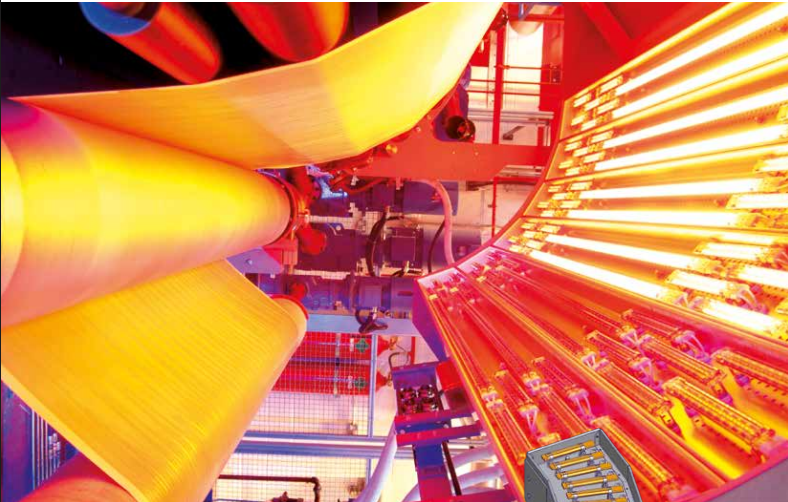
When you’re actually wiring these up on the floor, you need a stable power supply. Period. Voltage spikes are filament killers. Do yourself a favor and check your contactors for wear before you pop in a new set. And when you’re picking your cooling fans, make sure they can actually handle the heat these high-density lamps throw off. Get the airflow right, or you’ll be looking at melted sockets once things have been running for a while.