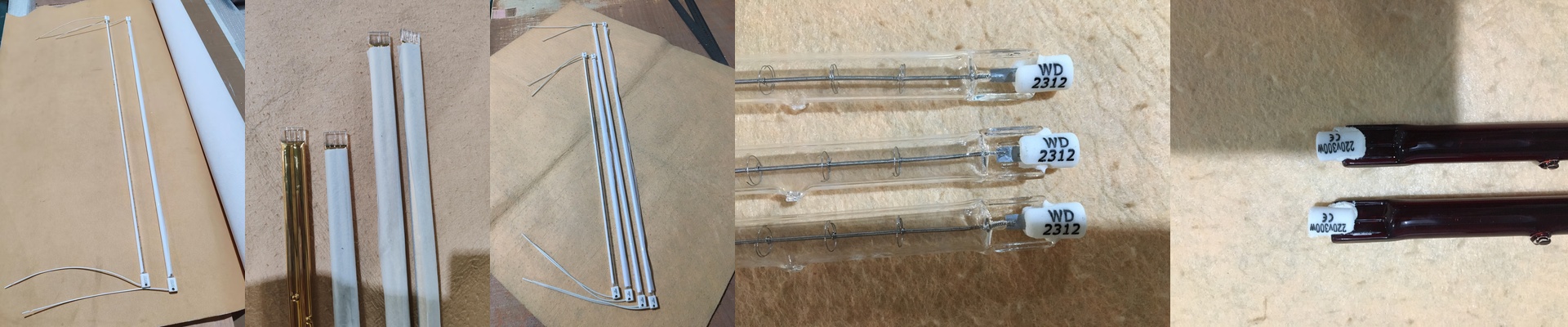
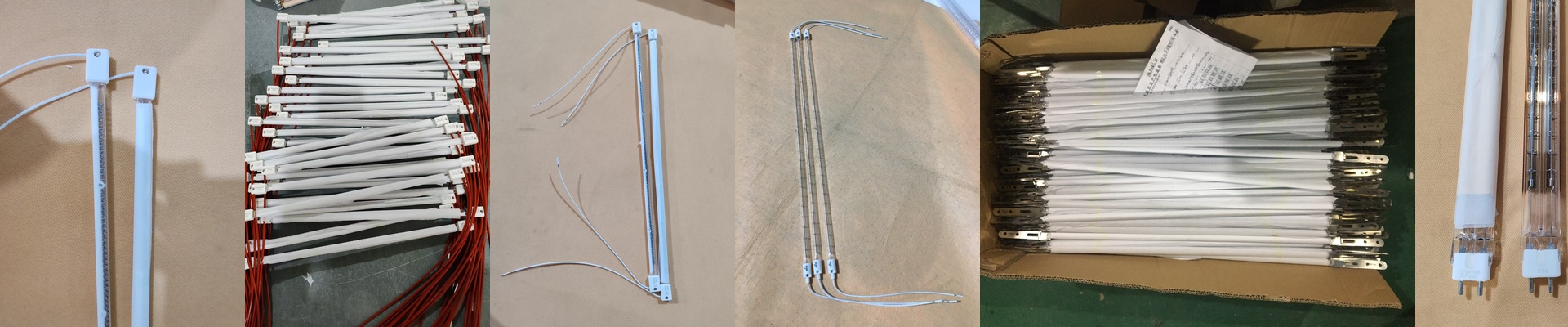
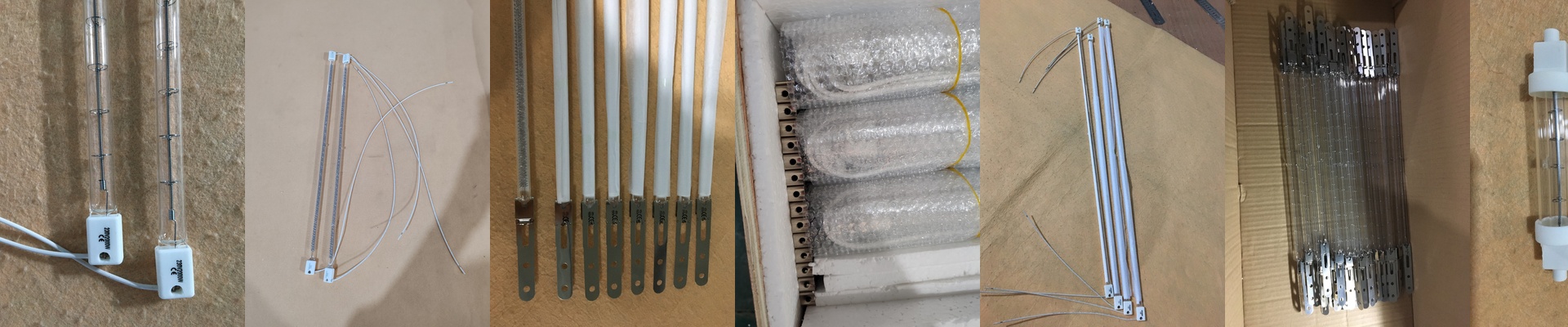
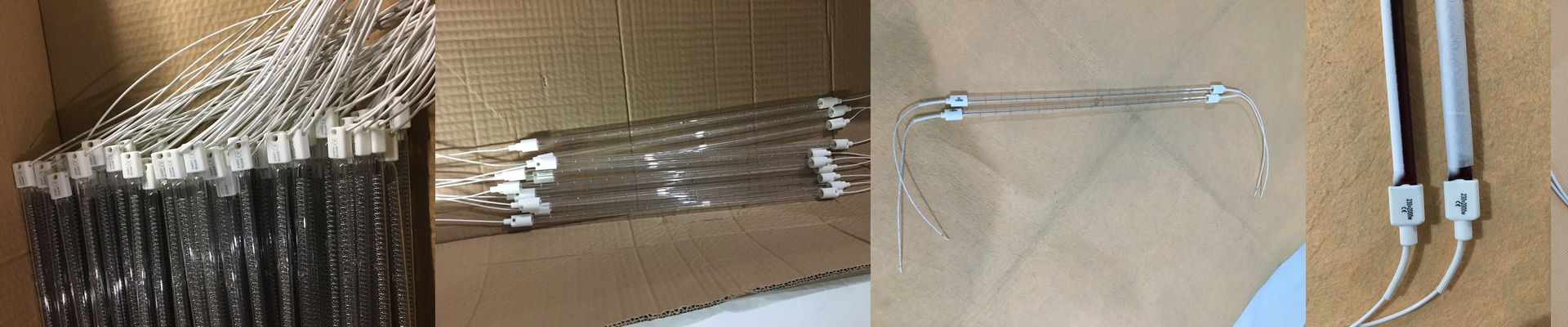
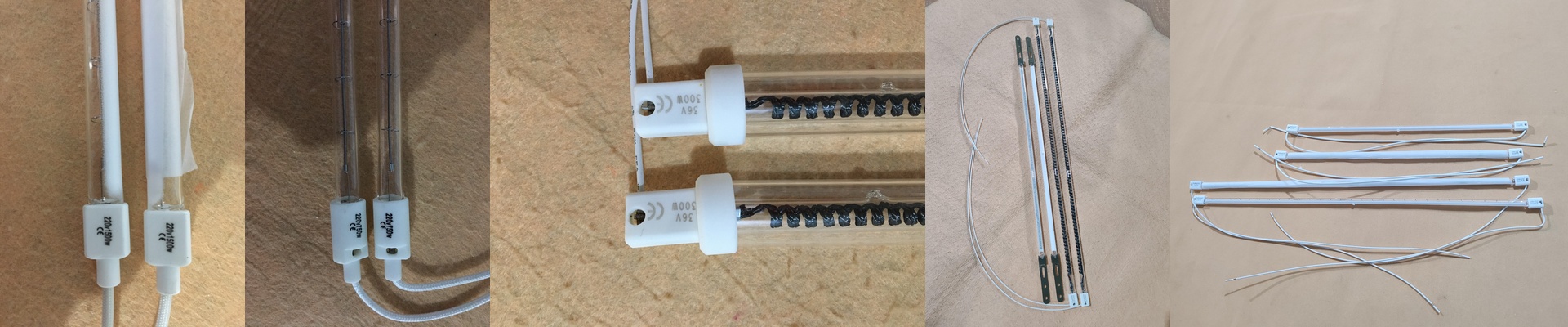
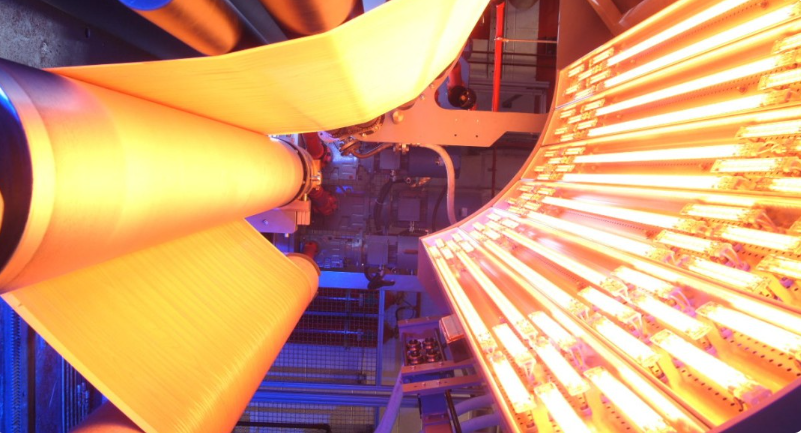
Why we obsess over 99.99% pure quartz for textile lamps
When you’re drying or curing textiles, it’s easy to think of the glass tube as just a protective shell for the filament. But it’s actually more like a filter. Here’s the problem: most standard quartz tubes have tiny bits of metal hiding in them. You can’t see them, but they act like sponges, soaking up the infrared energy before it even has a chance to leave the lamp. That’s why we stick to 99.99% high-purity synthetic quartz. We want that energy moving forward, not getting trapped. The physics of it (the simple version) When you crank up the wattage, you need that radiation to slide through the glass without any friction. Impurities like iron or aluminum create these “absorption bands”—basically roadblocks. When the heat hits those roadblocks, it stays in the glass. The tube gets way too hot, and that’s usually when things go south. The seals burn out, the tube fails, and suddenly you’re dealing with downtime you didn’t plan for. With high-purity quartz, the energy actually reaches the fabric. You get more heat on your textiles and less wasted heat sitting in the glass. Dealing with the stress Purity isn’t just about the light, though. It’s about survival. Synthetic quartz handles “thermal shock” much better. You know those rapid temperature swings when you’re cycling lamps on and off? Cheap glass hates that. It cracks. But high-purity quartz expands and contracts more gently. I’ve noticed a huge difference in how long these last. Lower-grade glass tends to “cloud” over time under intense UV and IR exposure. High-purity tubes stay crystal clear. Is it worth the extra cost? Look, high-purity quartz costs more to make. You’re paying for a much more intense chemical refining process. But if you’re running a fast line, you need every bit of heat density you can get to cure resins or dry dyes in a tight space. It’s the difference between a product that’s perfectly set and one that’s just… okay. One quick tip: keep your reflectors clean. Give them a wipe every week. If they’re covered in dust, it doesn’t matter how pure your glass is—you’re still losing power.