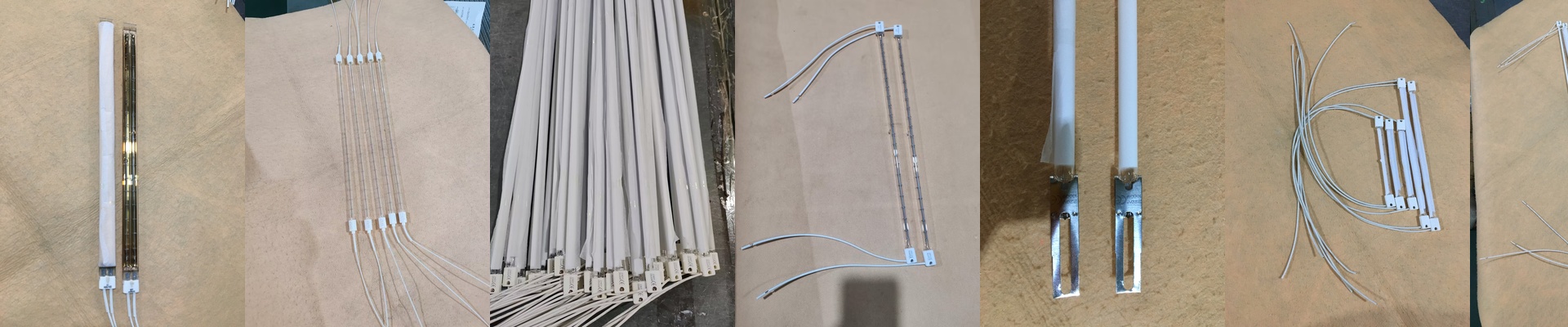
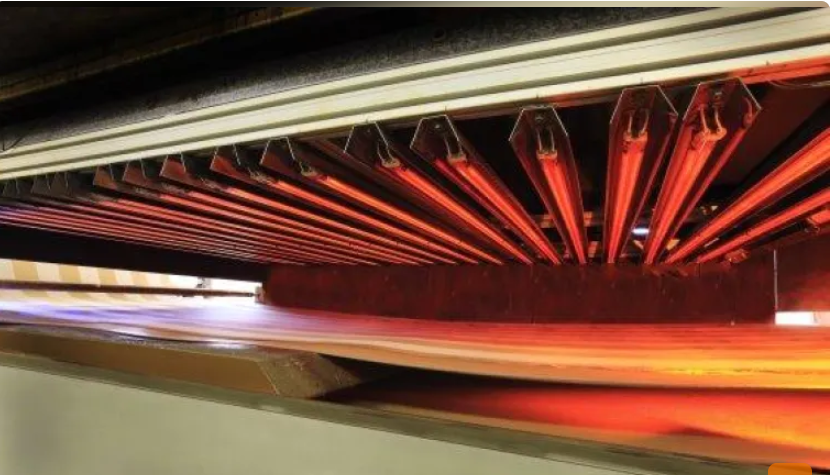
Think of your reflector geometry as the difference between a flashlight and a laser. If the shape is off, you’re just heating up the inside of your machine frame. That’s wasted money. When you’re drying or curing textiles, you want that heat hitting the fabric—hard and fast. Getting the curve right A flat piece of metal just bounces light around. But once you introduce a parabolic or elliptical curve, things get interesting. By tweaking the curvature of gold-coated or polished aluminum, we can basically steer the beam. A tighter focus means more heat hitting the fabric in a smaller area. Your ramp-up times drop. It’s fast. Really fast. But there’s a catch. If you go too aggressive with the curve, you get “hot spots.” You’ll end up scorching your fabric at the focal point. It’s all a balancing act between how curved the reflector is and how far away the lamp sits from your material. Cleaning up the “stray light” Here’s the thing: every tiny imperfection on the reflector’s surface sends energy flying in the wrong direction. We call that “stray light,” and it’s the enemy. Using high-reflectivity coatings helps make sure the shortwave IR actually bounces instead of getting soaked up by the metal. Alignment is where most people trip up. If your lamp is off-center by even 2mm, your heat distribution shifts. Suddenly, you’ve got uneven drying patterns across your web, and you’re left wondering why one side looks different than the other. Saving on the power bill The best part? Better geometry lets you turn down the wattage without slowing down your line. Instead of cranking a 5kW lamp to make up for a sloppy reflector, a precision-shaped one lets a 3kW lamp do the exact same job. Your electric bill thanks you. Just a heads-up, though—concentrating all that heat makes the reflector housing get incredibly hot. Make sure your cooling fans or water jackets are up to the task. If you skimp on the cooling, you’re going to fry your wiring and sensors over time. Not a great way to spend a Tuesday.