Getting Your Bruckner IR Lamps to Actually Work
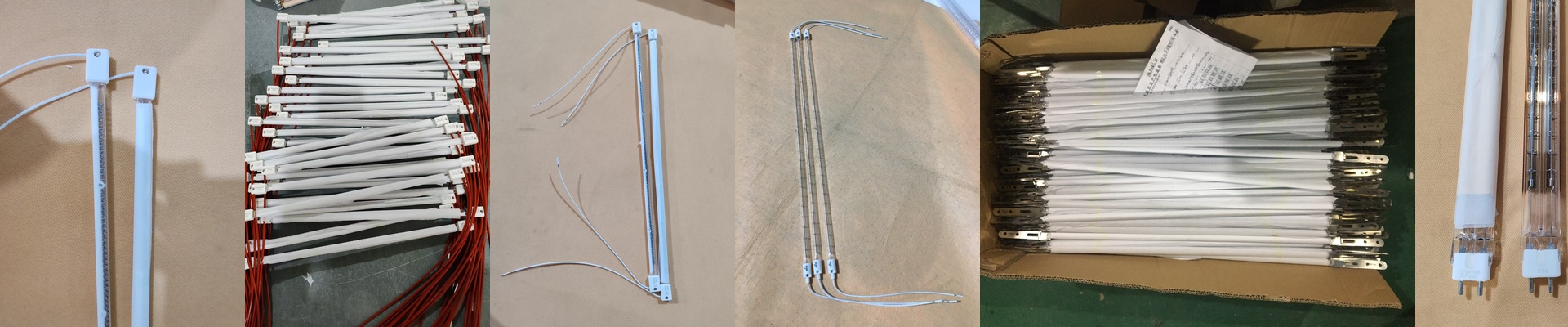
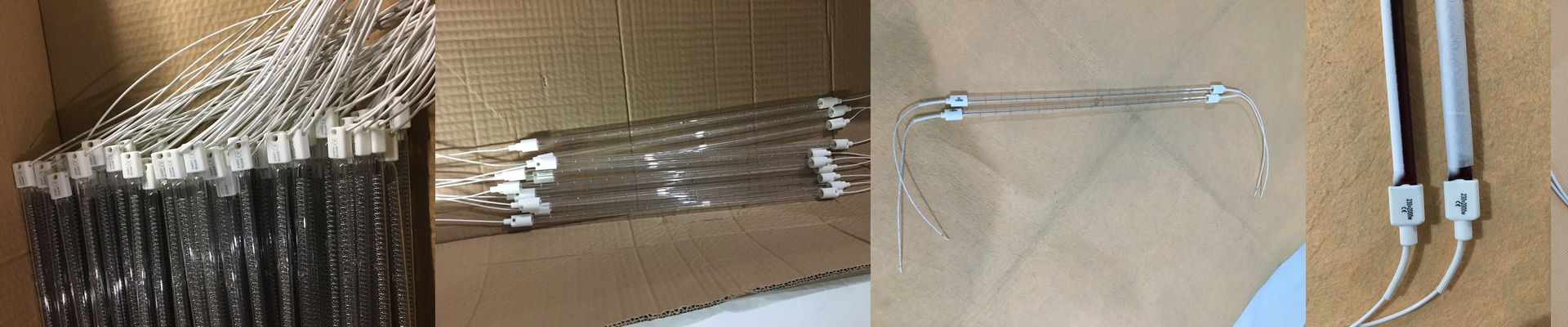
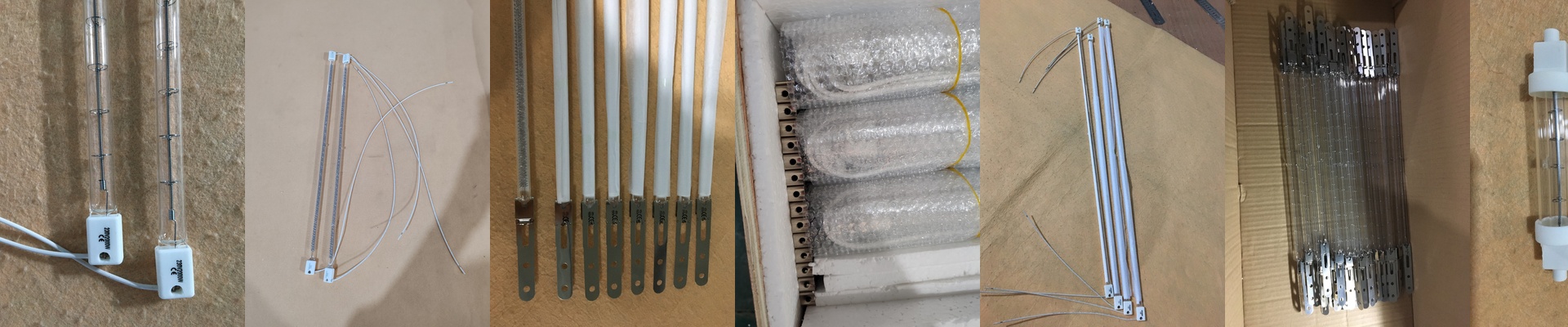
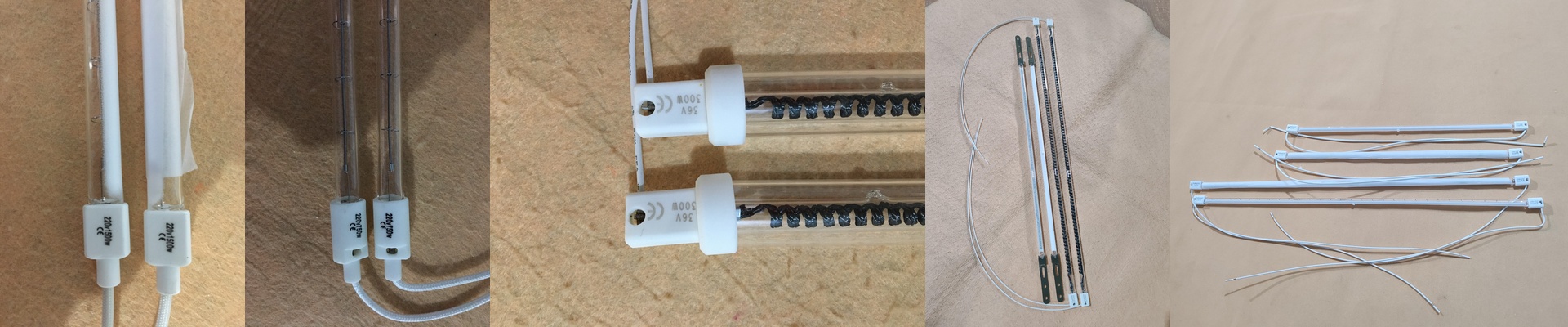
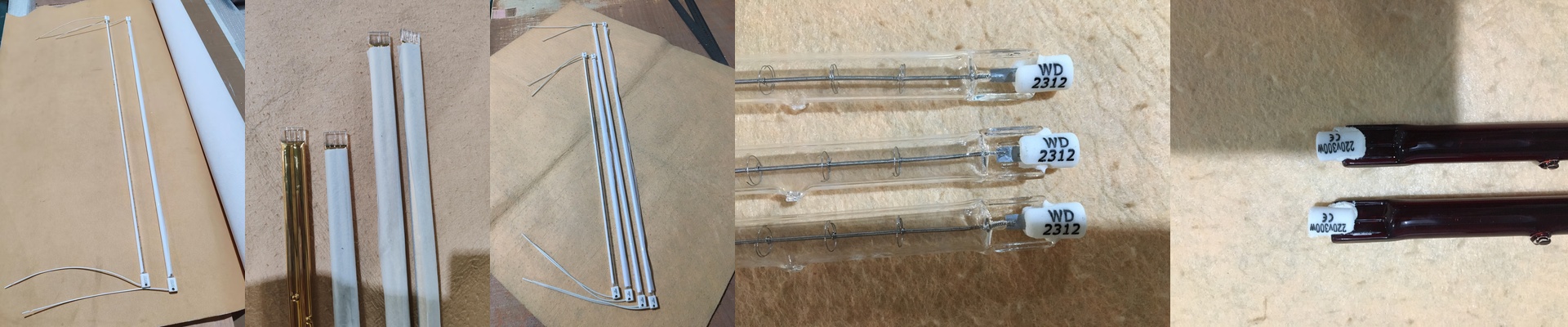
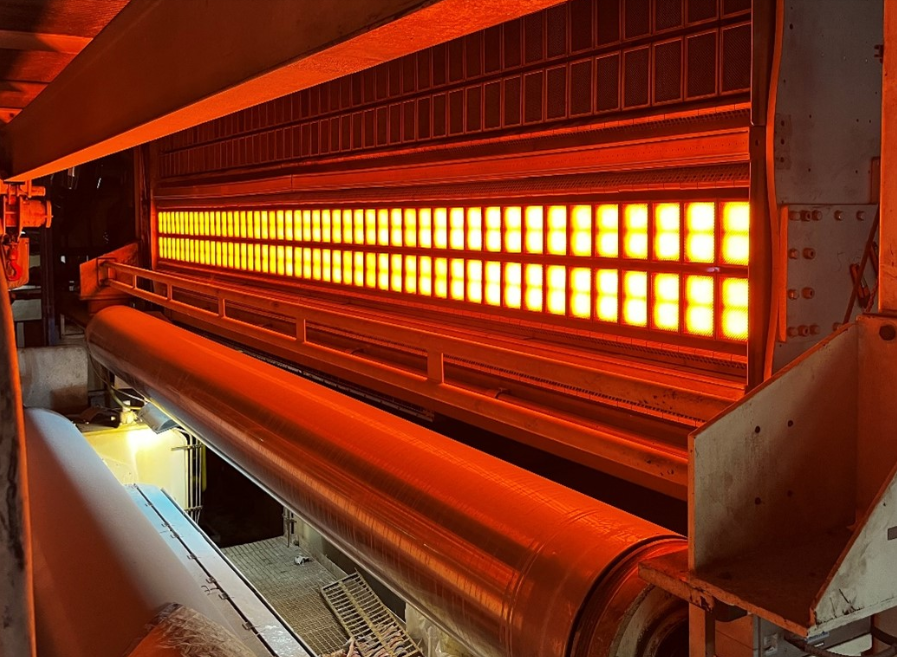
We’ve spent time in about 2,000 different textile and printing shops. If there’s one thing we learned, it’s that what the spec sheet says and what actually happens on the factory floor are usually two different things. When you’re running a Bruckner line, you aren’t just chasing “heat.” You’re trying to balance how much energy hits the fabric and how long that fabric stays under the lamp. It’s a delicate dance. The Voltage Trap Here is the thing about power: if you push a 230V lamp too hard just to hit your temperature targets, you’re basically asking the filaments to burn out early. It happens all the time. We prefer high-wattage shortwave emitters because they punch through the substrate faster. By moving to a higher voltage spec, we can keep that same heat output but drop the current. Your wiring doesn’t have to work as hard, and your lamps actually last. It’s a win-win. The Little Things (That Cause Big Headaches) We use heavy-wall quartz glass. Why? Because rapid cycling—turning things on and off—creates a thermal shock that can snap cheaper glass. Then there are the connectors. We stick to R7s or SK15 depending on your chassis. It sounds like a boring detail, but if the fit isn’t perfect, you get arcing. That’s the sound of your socket frying. We’ve seen way too many shops try to save a few bucks with generic replacements that don’t seat right. The result? Patchy heat across the web and a lot of wasted material. Real-World Trade-offs Shortwave IR is powerful. It hits the target instantly. But that intensity comes with a price. If your cooling fans or exhaust systems are weak, that heat just sits there in the oven housing. Eventually, it eats away at your reflectors. If you want these lamps to survive, keep your reflectors polished and your voltage steady. Seriously. A tiny 5% spike in voltage can kill your lamp life by hundreds of hours. It’s not worth the risk.