Why most IR heaters fail in textile mills (and how we fixed it)
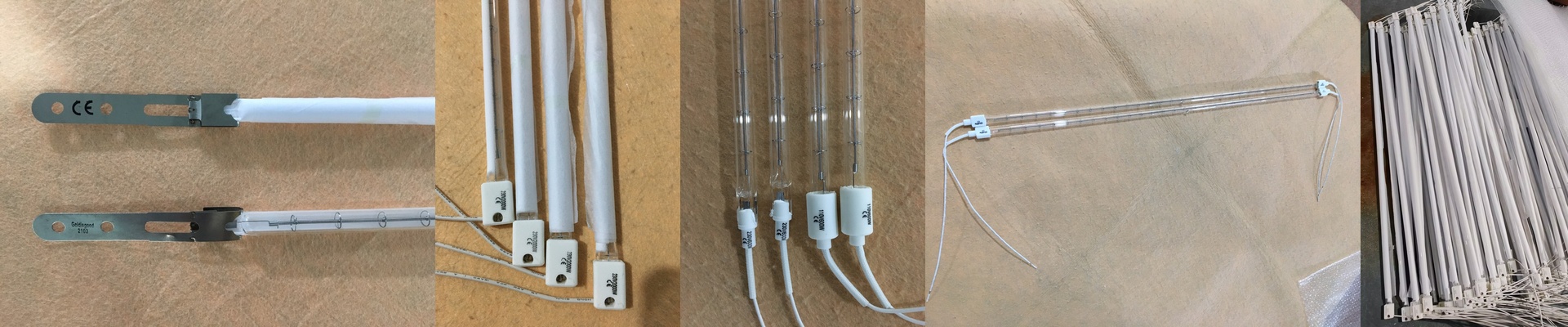
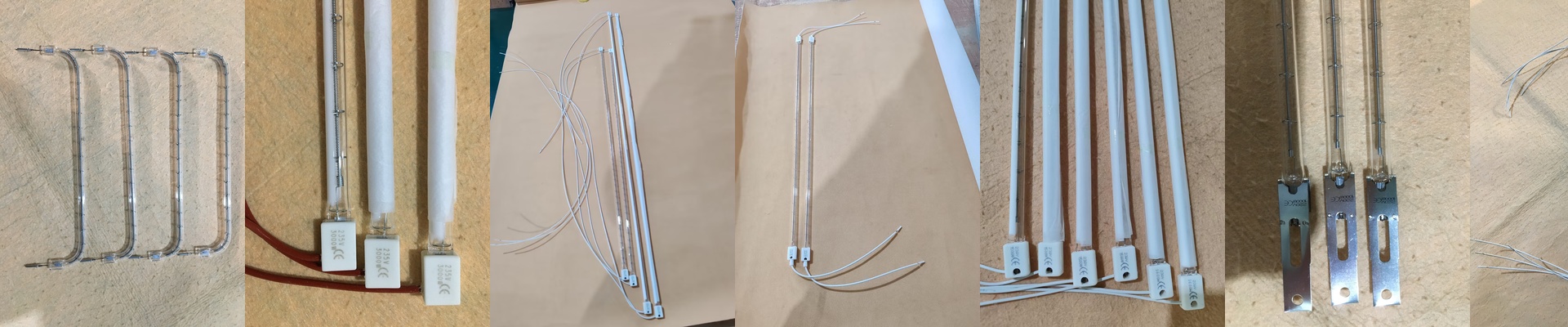
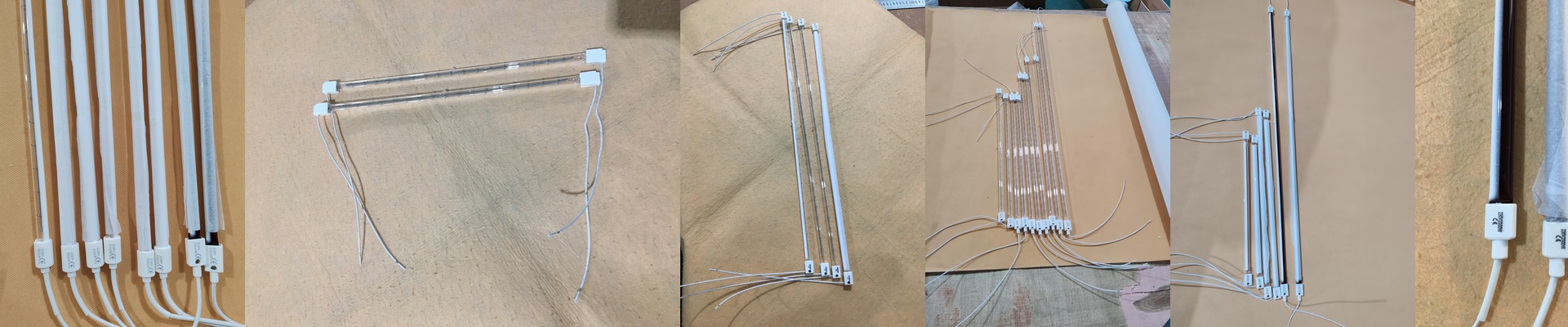
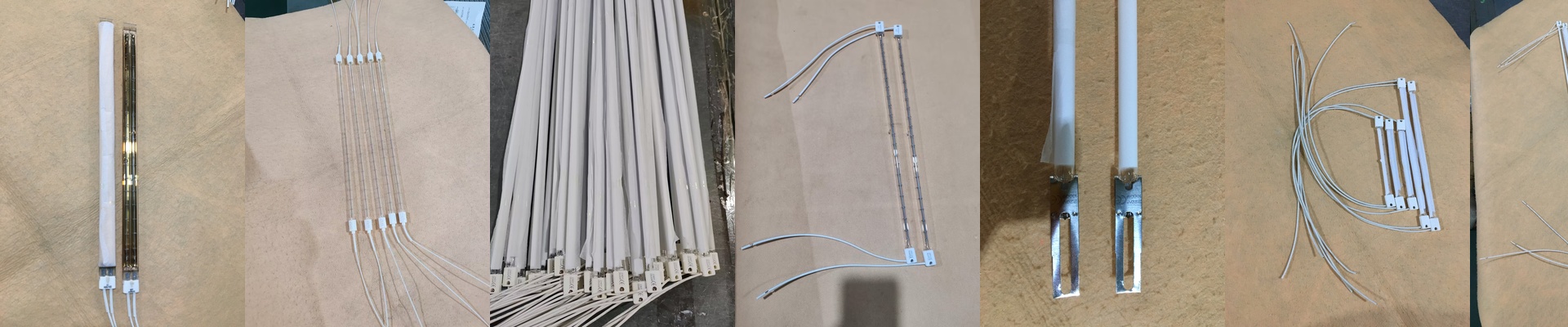
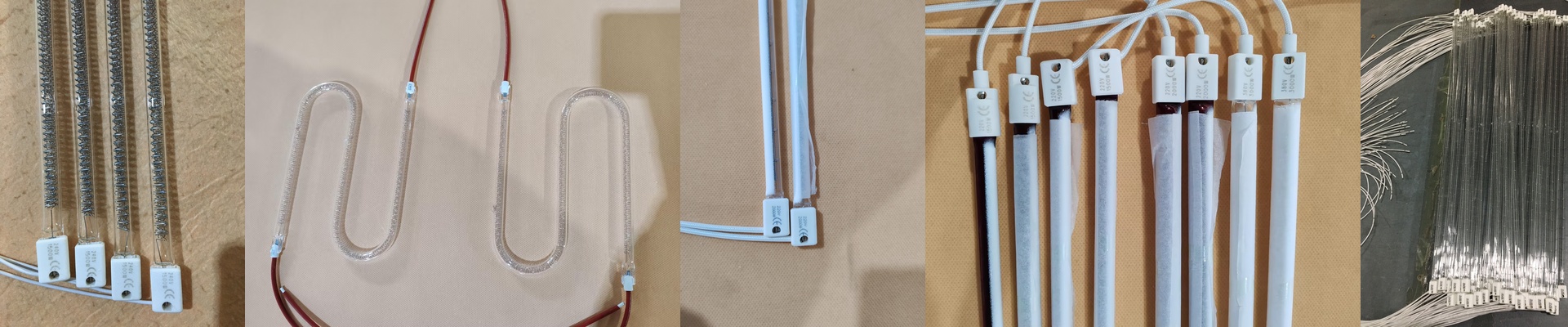
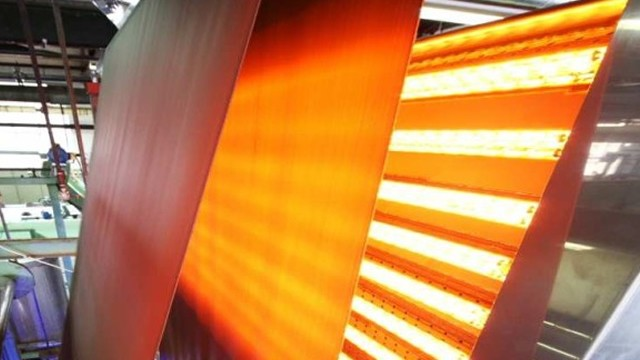
We spent some time visiting about 2,000 dyeing and printing workshops. Why? Because we wanted to know why so many standard infrared lamps just… die. Or worse, they leave those annoying cold spots across a wide roll of fabric. Turns out, most off-the-shelf lamps aren’t ready for the real world. They can’t handle the thick humidity or the chemical fumes that hang in the air of a working mill. So, we stopped trying to “tweak” existing designs and just started over. The balancing act: Power vs. Precision Here’s the thing about setting dyes: you need enough heat to lock the color in, but not so much that you scorch the fabric. It’s a tight window. We spent a lot of time obsessing over how voltage and wattage play together based on the length of the tube. If you cram high wattage into a short tube, you get an intense blast of heat. It’s great for curing things fast, but it puts a massive strain on your power supply. If you go this route, just make sure your wiring and breakers can actually handle the peak current. Nobody likes a machine that trips the power in the middle of a run. Building for the chaos Textile mills are brutal. Equipment gets shaken, bumped, and coated in grime. To stop tubes from snapping under all that vibration, we switched to heavy-wall quartz glass. It’s much tougher. We also added different coatings depending on what kind of fabric you’re running. For example, we use gold-coated reflectors to push the heat straight down into the fabric instead of letting it leak out and heat up the machine frame. And because we know how frustrating downtime is, we stuck with standard connectors like R7s or SK15. If a lamp goes out, you can swap it in a few minutes. No need to rewire the whole rack. The trade-off you need to know You want speed? You’ve got it. But faster heating means shorter wavelengths and more power, which means the lamps run hotter. The catch is the dust. Lint and fabric particles love to clog up cooling airflow. If you let the reflectors get dusty, you’ll get hot spots. That’s how you ruin a whole batch of fabric. It’s simple: keep your blowers running and wipe down those reflectors. A little bit of cleaning saves you a lot of wasted material.