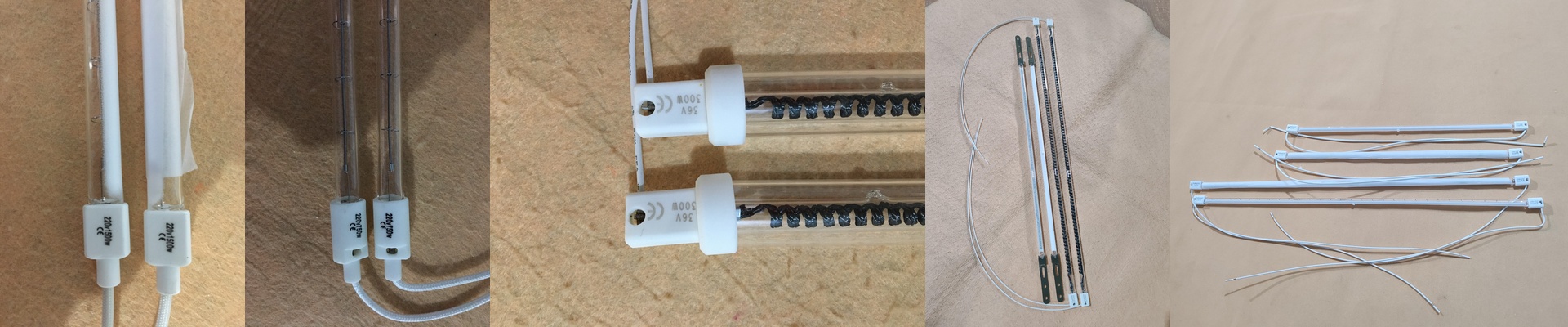
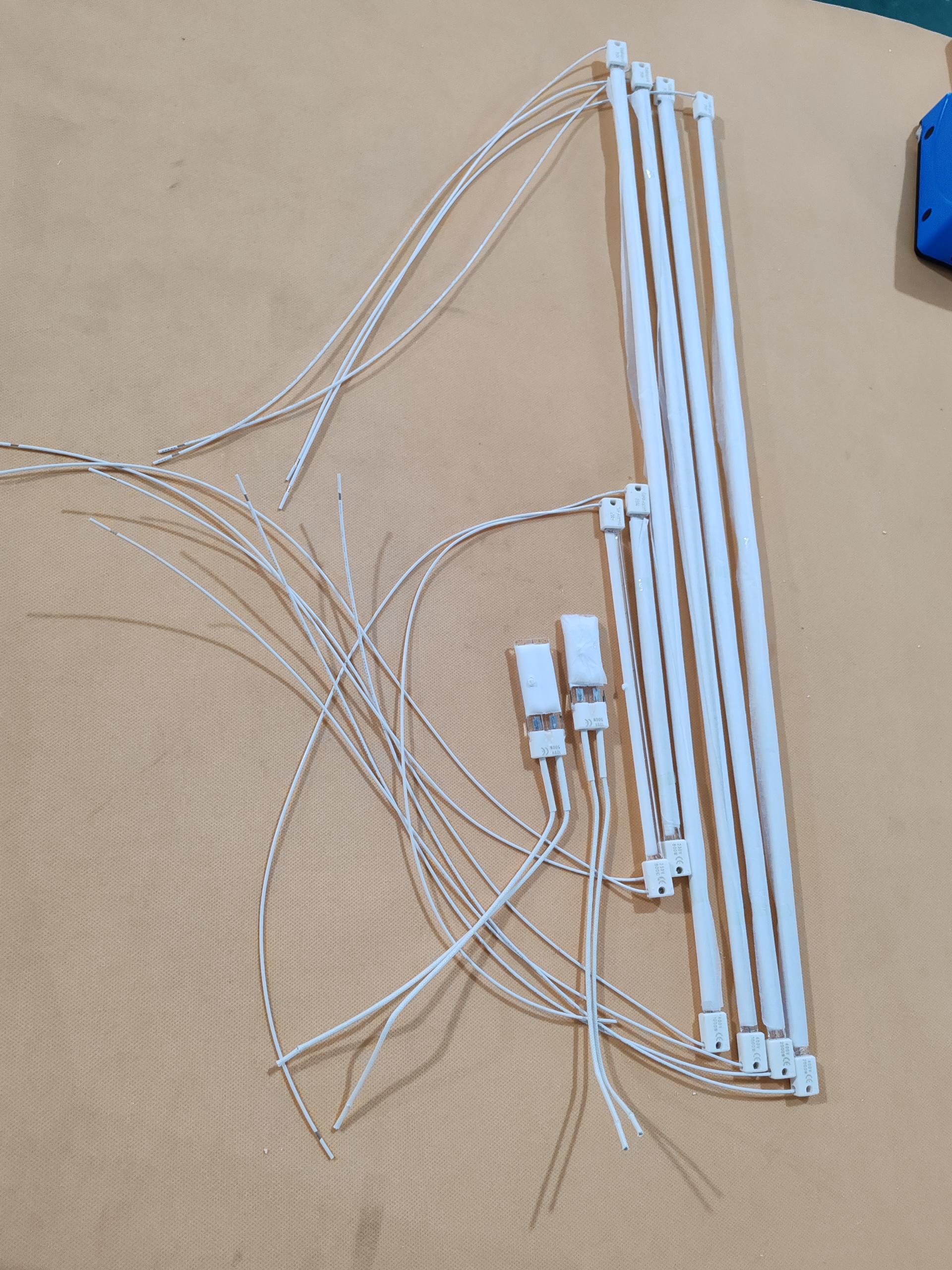
Let’s Talk About Halogen Shortwave IR Lamps
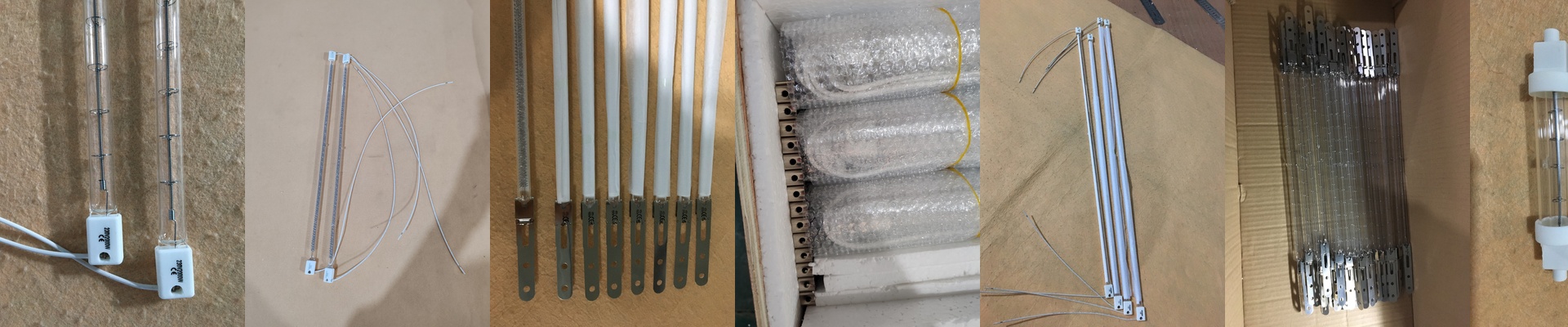
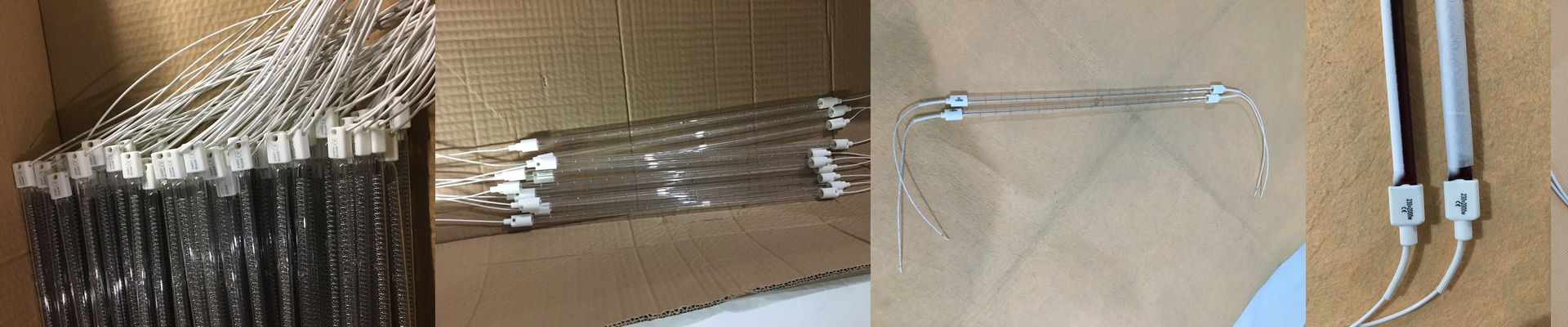
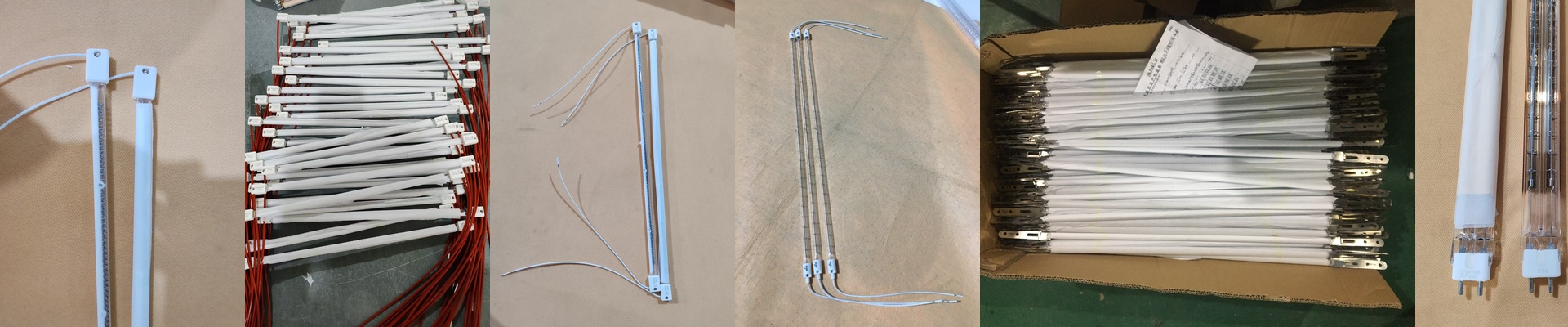
Ever wonder how these things actually work? Basically, you’ve got a tungsten filament tucked inside a quartz tube, all bathed in a halogen gas mix. That gas is the secret sauce—it stops the filament from evaporating too fast, which means we can crank the heat way up. The best part? You get a concentrated blast of shortwave radiation. It hits your target surface instantly. No wasting time heating up the air in between.
The Power Stuff
We build these in all sorts of wattages and voltages to fit whatever machine you’re running. If you cram a high-wattage tube into a short space, you get an absolute beast of a heat density. If you’re using those 400V high-voltage tubes, you’ll notice they ramp up incredibly fast. But here’s the catch: that kind of intensity is hard on the quartz. You’ve got to keep your power controllers dialed in. If you let the current spike, you’ll fry your filaments before you know it.
Quartz and Connectors
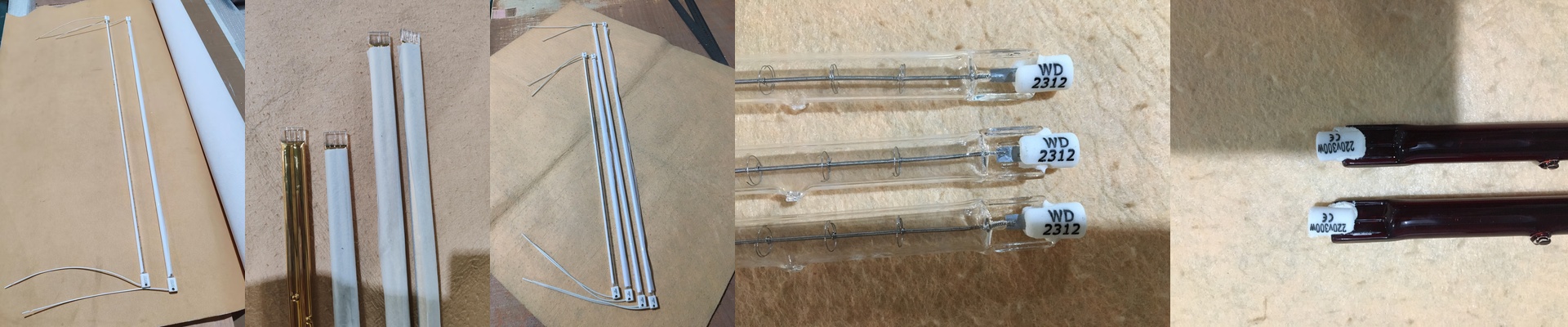
The quartz glass is where the magic happens. Sometimes we coat it to change how the heat emits or just to keep gunk and debris off the tube. For the plugs, you’ll usually see R7s or Sk15 connectors. They’re standard, so they should slide right into most industrial ovens without a fight. They fit nice and tight, too, so the lamp doesn’t rattle around when your machine starts vibrating.
Using Them in the Real World
If you’re doing PET blowing or curing plastics, these are your best friend. They give you that instant hit of heat to soften polymers without accidentally melting your hardware. It’s fast. Really fast. But—and this is a big but—quartz is fragile. **Please, for the love of everything, wear gloves.**If you leave a single fingerprint or a smudge of oil on the glass during installation, it creates a hot spot. Once that lamp hits operating temp, that spot will crack the tube. You’ll be replacing the whole thing in a week if you’re not careful.