Stop Overpaying for Your IR Lamps
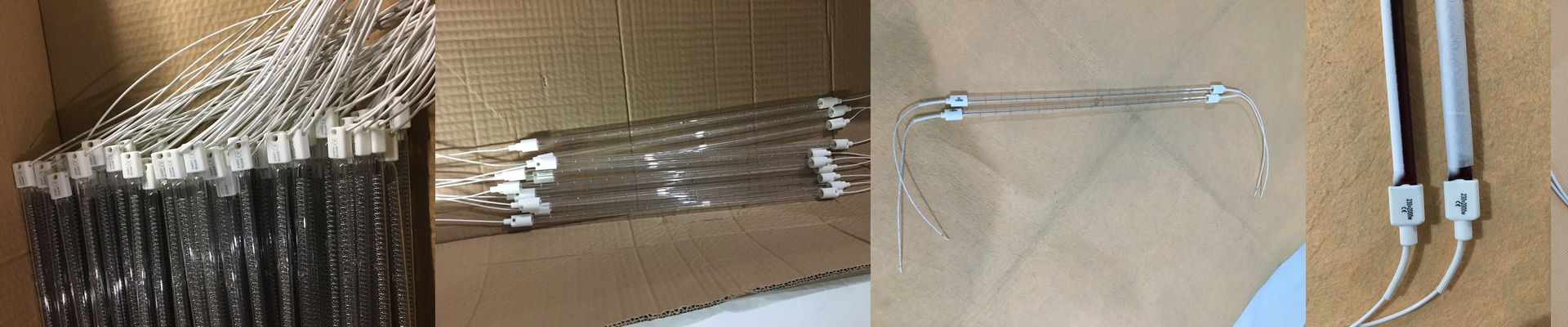
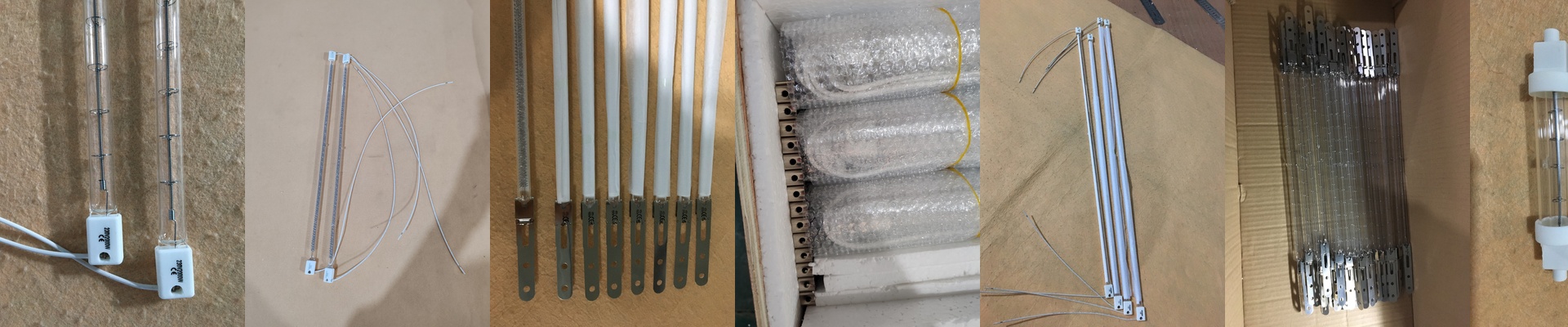
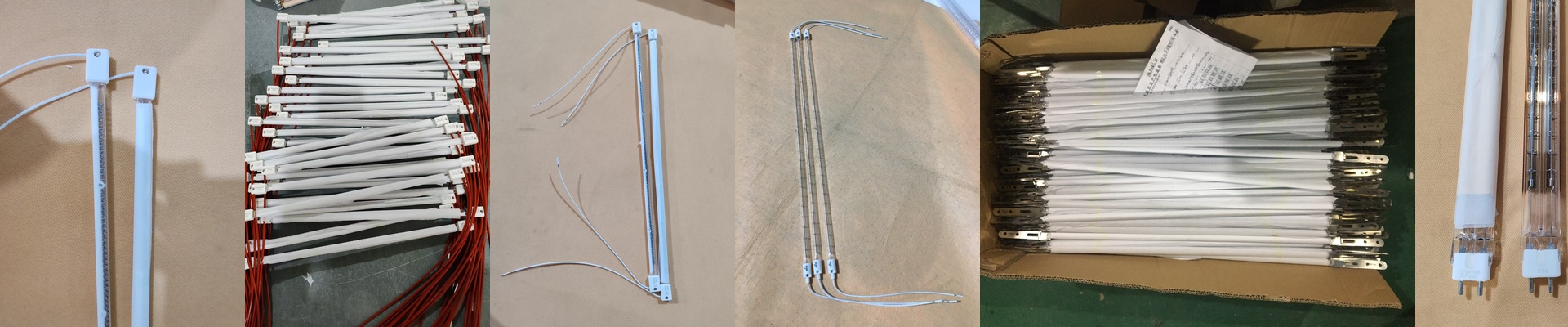
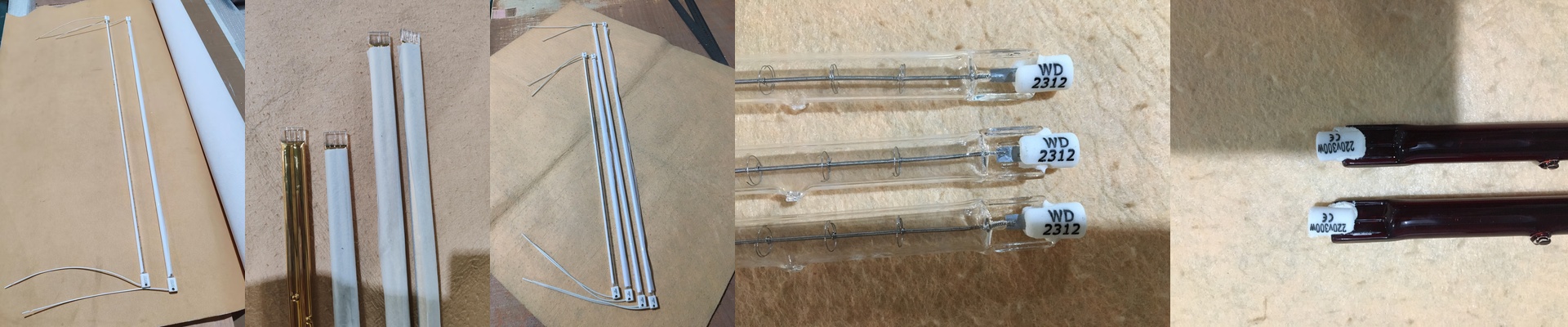
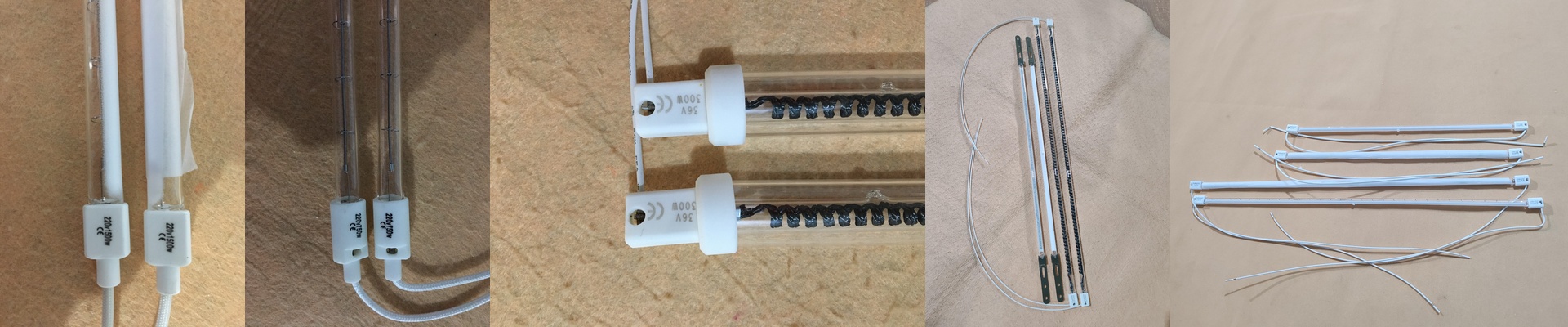
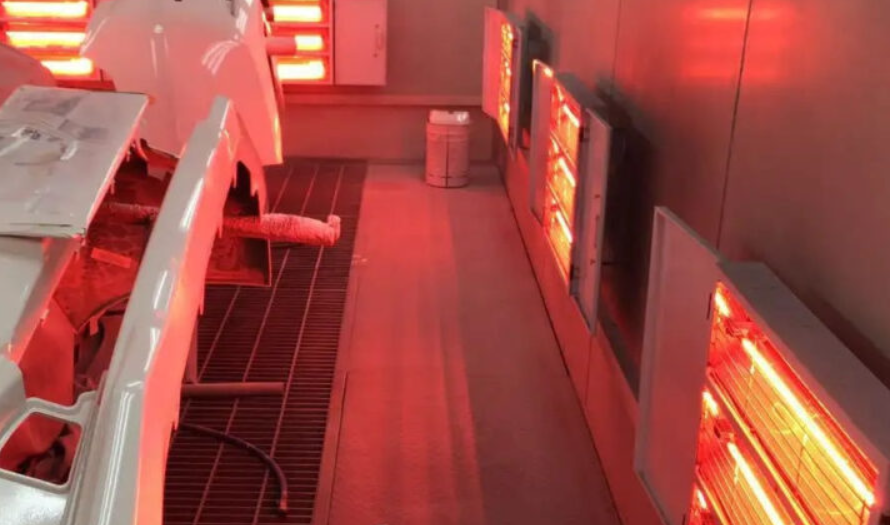
I talk to a lot of shop owners who are just tired of the headache that comes with imported infrared lamps. It’s the same story every time: the replacement costs are sky-high, and by the time a new lamp actually arrives, you’ve lost a ton of production time. If you’re running a countertop powder Coating setup, switching to domestic shortwave IR heaters just makes sense. You keep the same high-quality cure, but you stop bleeding money on maintenance. How the heat actually works Here’s the thing about shortwave IR—it doesn’t waste time heating up the air around the part. It goes straight for the coating. We use halogen-filled quartz tubes that pump out high-intensity radiation. This makes the powder melt and flow almost instantly. You get a rock-hard cure in a fraction of the time a convection oven would take. Plus, since the heat is so targeted, your machine chassis doesn’t turn into a giant radiator. A quick word on power Our countertop units use high-wattage setups because we want that ramp-up to be fast. You get a massive amount of heat in a tiny footprint, which is great—but it puts a real load on your electrics. Just make sure your electrician uses the right gauge cable. If the wiring is too thin, you’ll get voltage drops. And if your power dips, your cure will look splotchy and uneven. It’s a simple fix, but it’s one you can’t skip. Swapping lamps without the drama We built these lamps to be simple drop-in replacements for those overpriced foreign brands. They use standard connectors, so swapping a burnt-out tube is fast. You don’t need to call in a specialist or spend half a day reading a manual. But a fair warning: these tubes are sensitive. If you touch the quartz with oily fingers during installation, you’re asking for trouble. One little smudge creates a hot spot, and pop—the tube cracks. Just keep them clean, and they’ll last as long as they’re supposed to. Moving to domestic sourcing is how a lot of shops are finally getting their maintenance budgets under control while keeping the line moving.