Stop Treating Your IR Lamps Like Disposable Trash
Most textile lines treat IR lamps as consumables. You use them until they pop, toss the quartz in the bin, and start all over again. It’s a waste of money and a waste of material. We’re doing things differently. If you actually want to hit those zero-waste goals, you have to stop the cycle of “burn and replace.” The secret is simple: make the lamps last longer.
Why lamps actually die
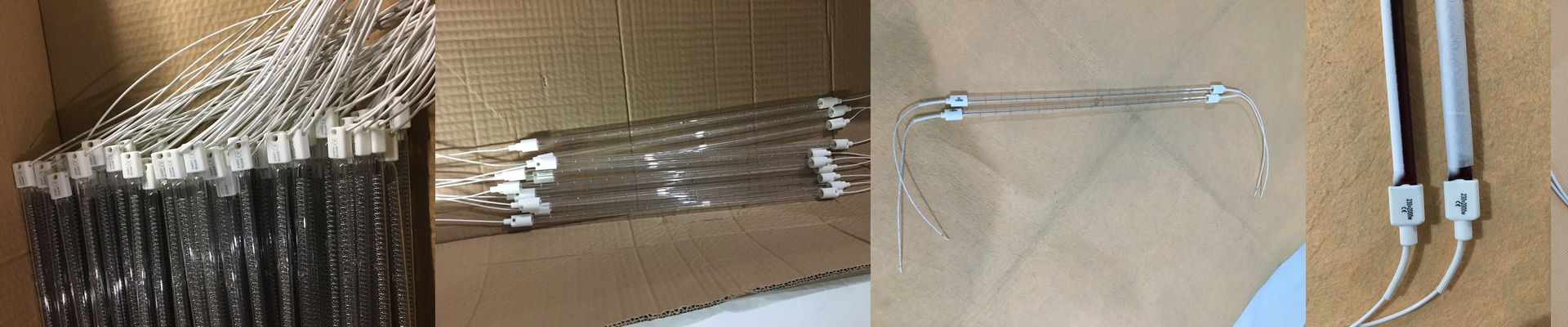
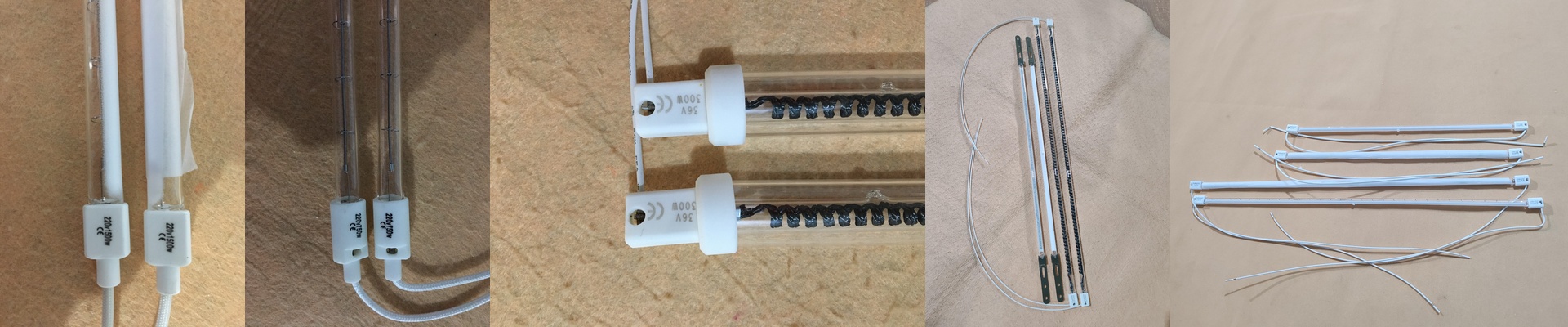
It usually comes down to stress. We use heavy-wall quartz tubing because industrial textile frames are brutal on equipment. But the real killer is heat. If you run a filament at its absolute limit, it’s going to die fast. Period. We balance the wattage and the length of the coil to keep the internal stress low. It’s a bit of a balancing act, but it keeps the lamp from popping when you least expect it.
The nitty-gritty on materials
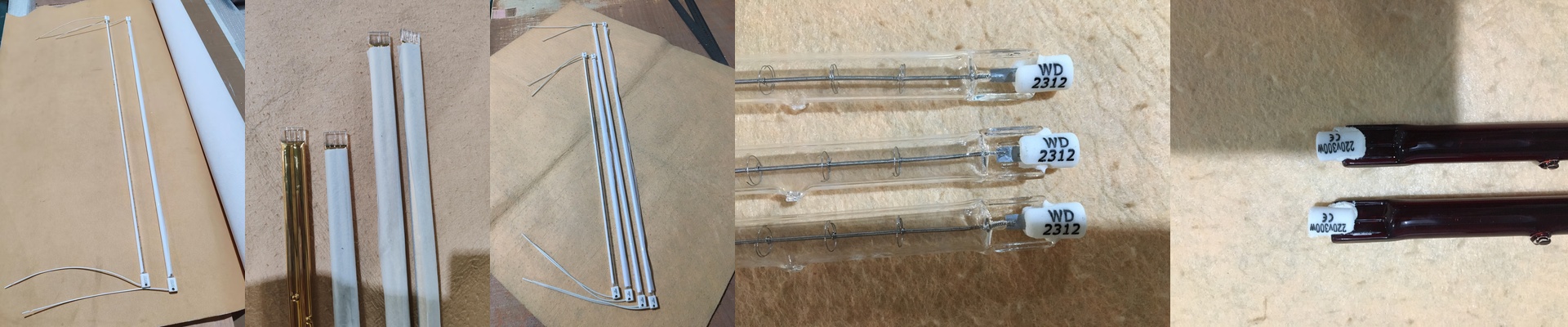
We fill our lamps with halogen gas. Why? Because it stops the tungsten from evaporating and coating the inside of the tube. You know that “darkening” effect where the heat output just drops off over time? This fixes that. For most fabric jobs, we stick with short-wave emitters to get that heat deep into the material quickly. But here is the catch:watch your reflectors. A high-wattage lamp is great for synthetics, but it puts a ton of pressure on your reflectors. If they’re dirty or pitted, the heat bounces right back into the lamp. The quartz overheats, it cracks, and you’re back to square one.
Getting it right on the floor
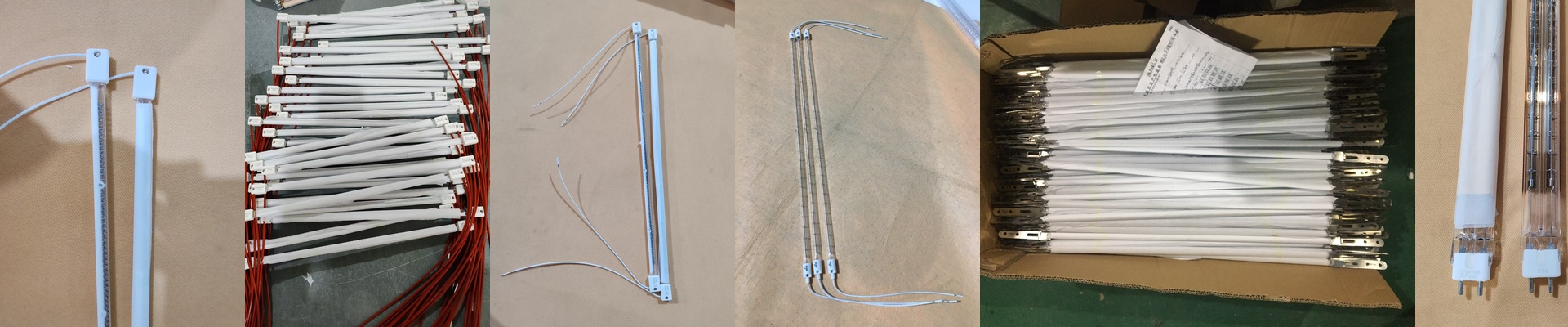
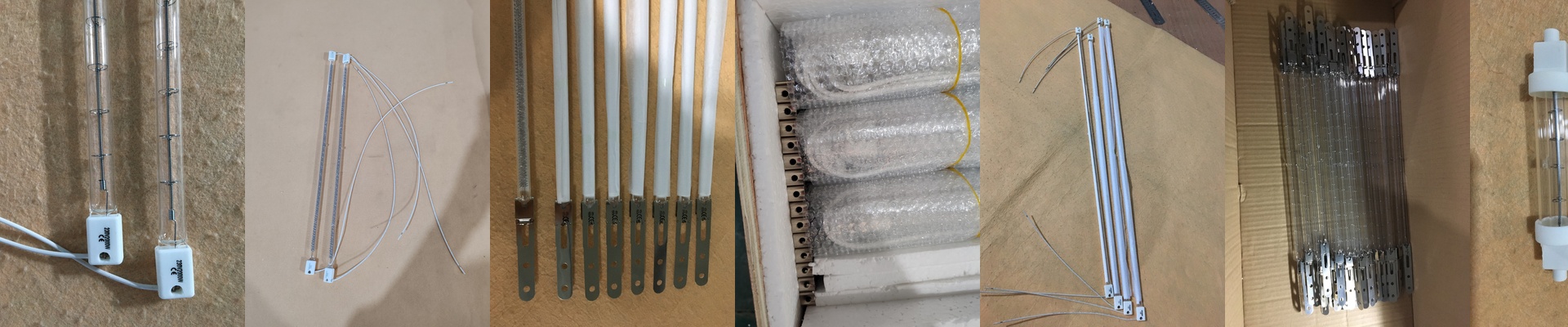
These are designed to be drop-in replacements. Whether you’re using R7s or Sk15 connectors, the fit has to be snug. A loose connection creates arcs, and arcs fry your lamp ends instantly. One last thing. These longer-life lamps have a bit more “thermal inertia” because of the heavy walls. You’ll need to tweak your PID settings. If you don’t dial in your control loop, you might overshoot your temperature and scorch your fabric before the lamp even breaks a sweat.