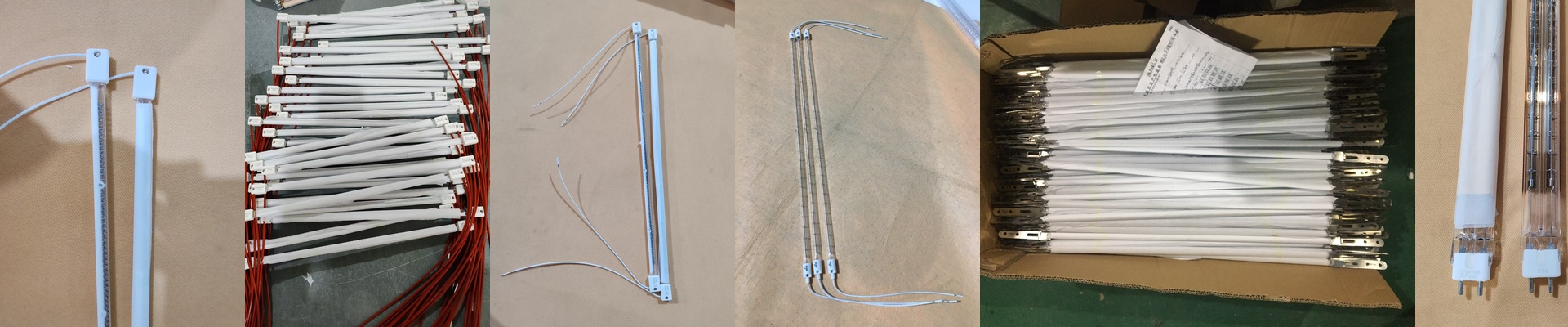
Shortwave, Mediumwave, or Twin-Tube? Picking the Right IR Setup for Metal Curing
Here is the reality: there is no such thing as the “best” lamp. It all comes down to how much heat your part can actually soak up. It’s all about the thermal mass.
Getting the heat where it needs to go
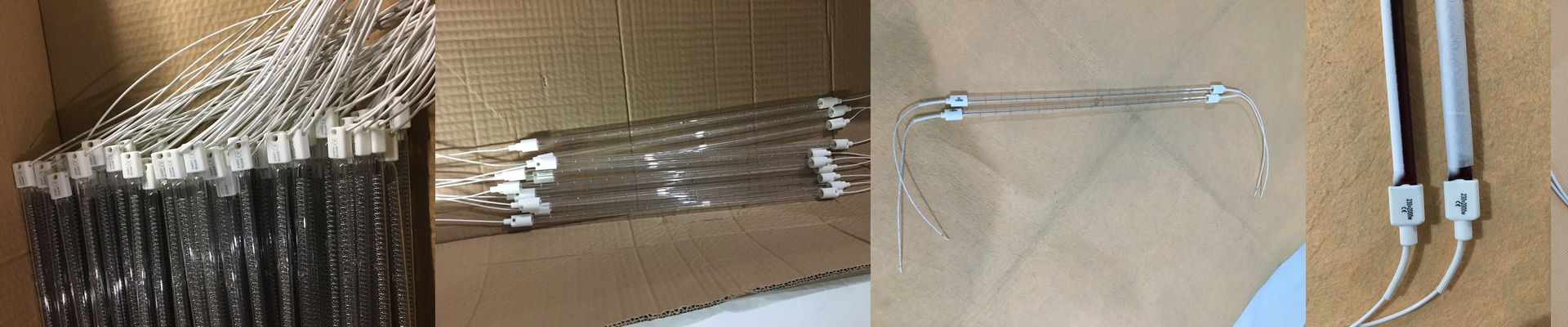
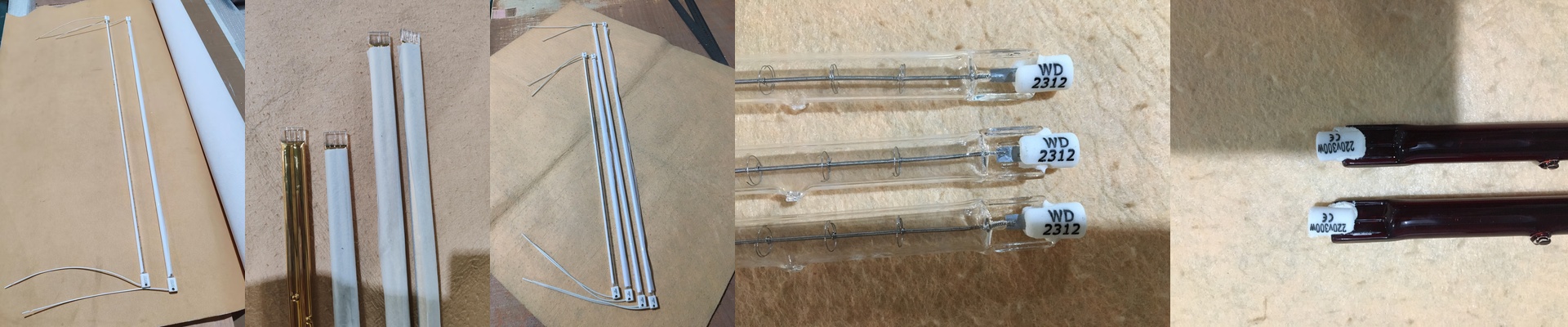
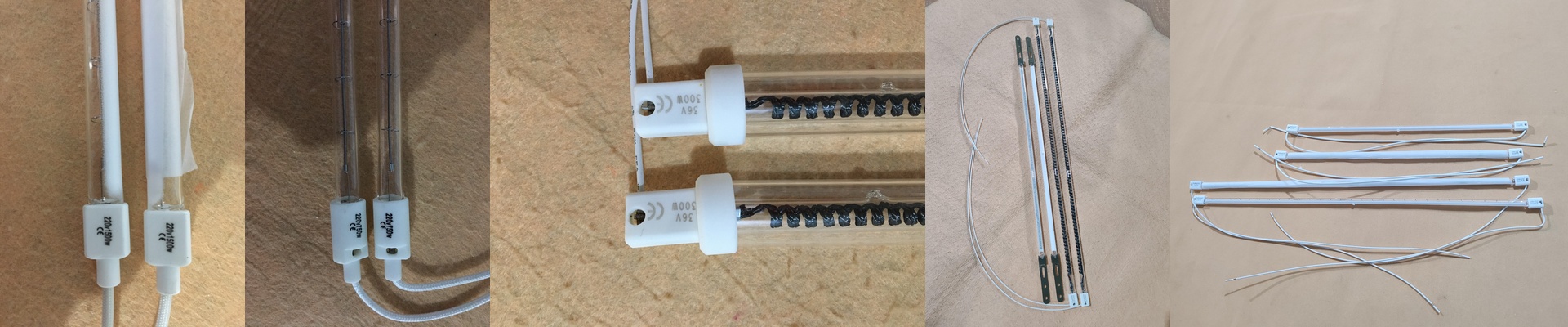
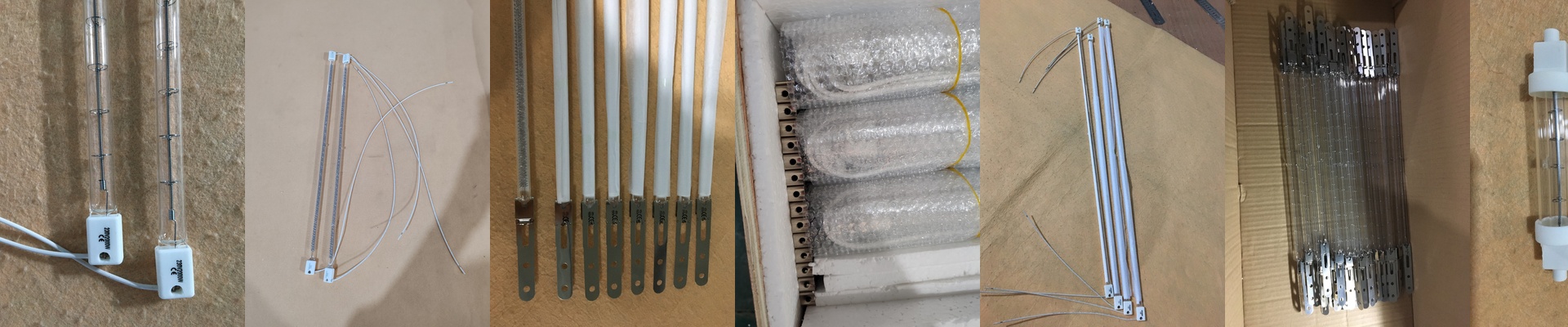
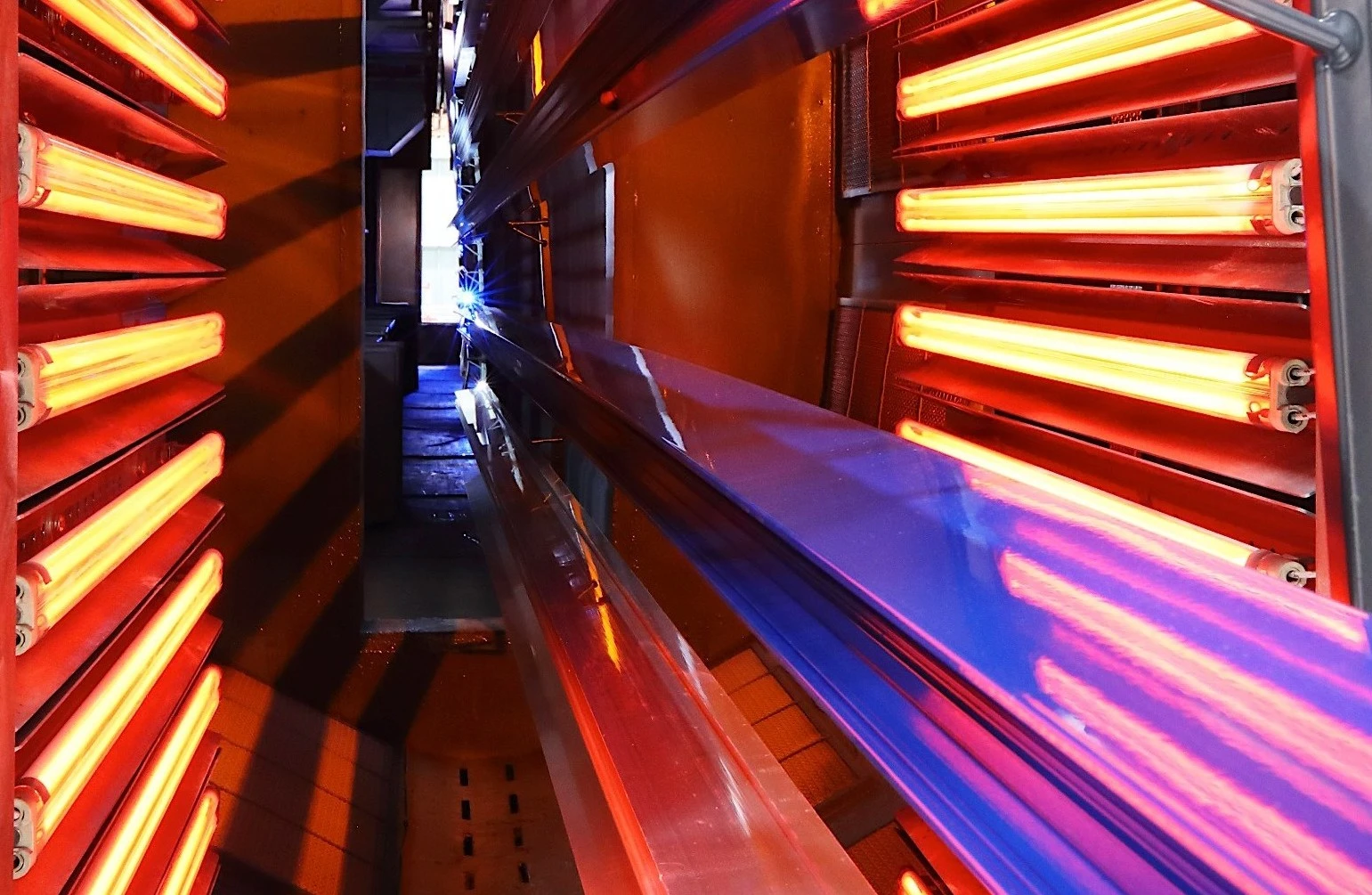
Shortwave lamps are like a slap in the face—they hit the surface fast. If you’re working with thin powder on light-gauge metal, these are your best bet. You get that instant ramp-up, and the surface cooks in a flash. But they don’t dive deep. That’s where mediumwave comes in. These lamps actually penetrate the metal. If you’re dealing with thicker parts, you’ll want these. Otherwise, you run into the “skin effect”—where the outside looks perfect, but the interface underneath is still raw. Not a great look.
Why bother with Twin-Tubes?
Think of twin-tube setups as a way to get more heat without taking up more space. A single tube usually leaves a “hot spot” right under the filament. It’s uneven. Twin-tubes fix that by overlapping the heat zones. You get a much smoother, more uniform cure across the whole part. Plus, it means you can stop worrying about rotating your parts halfway through the cycle.
The trade-offs (because there’s always a catch)
Shortwave lamps give you those lightning-fast cycle times, but they’re a bit more temperamental. The quartz envelopes take a beating. If your line vibrates a lot or your ventilation is subpar, expect to replace them more often. Mediumwave tubes are the workhorses. They last longer. The trade-off? You have to give the part a longer “soak” to get it up to temperature. One last tip: if you go with a high-output shortwave array, keep a close eye on your conveyor speed. If the belt crawls, you’ll burn the powder. Too fast? It won’t flow. You just have to find that sweet spot between your wattage and your line speed to hit the window.