Fixing the “Zebra Stripe” Problem in Aluminum Powder Coating
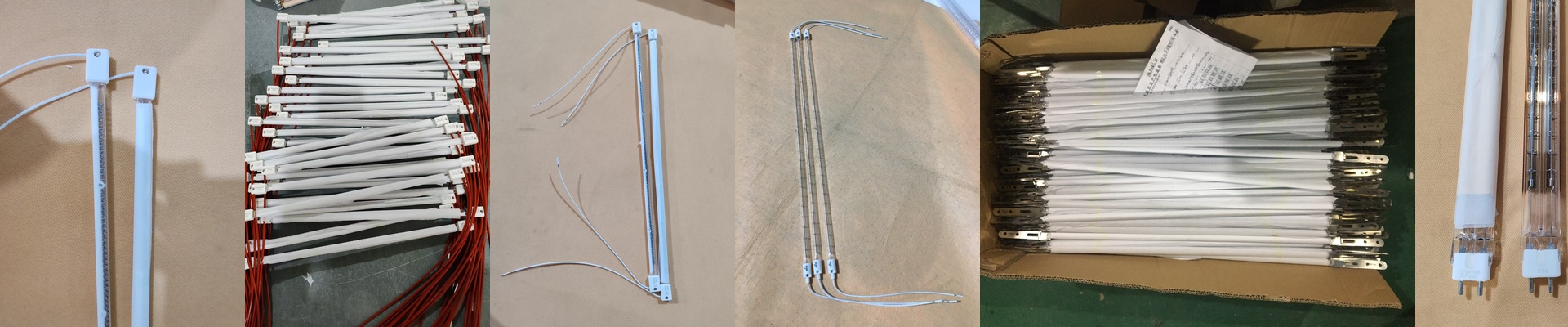
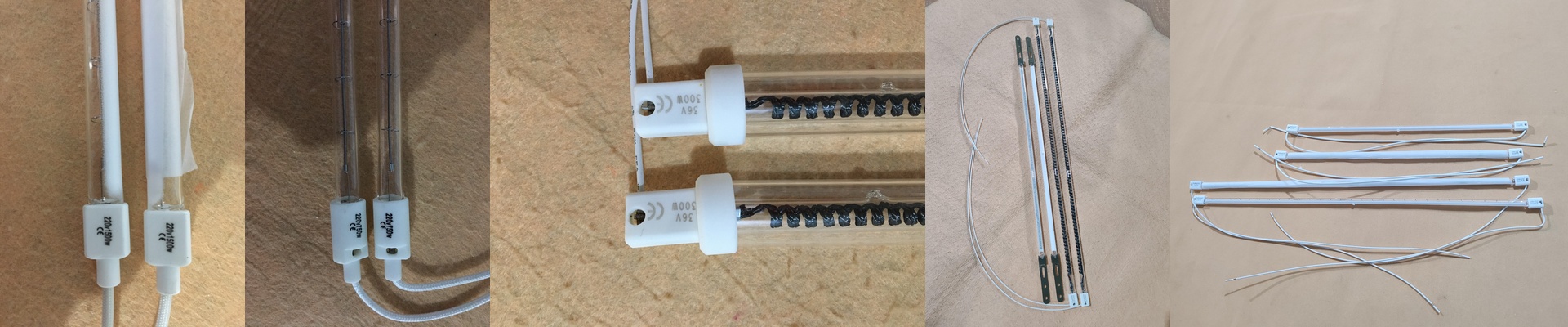
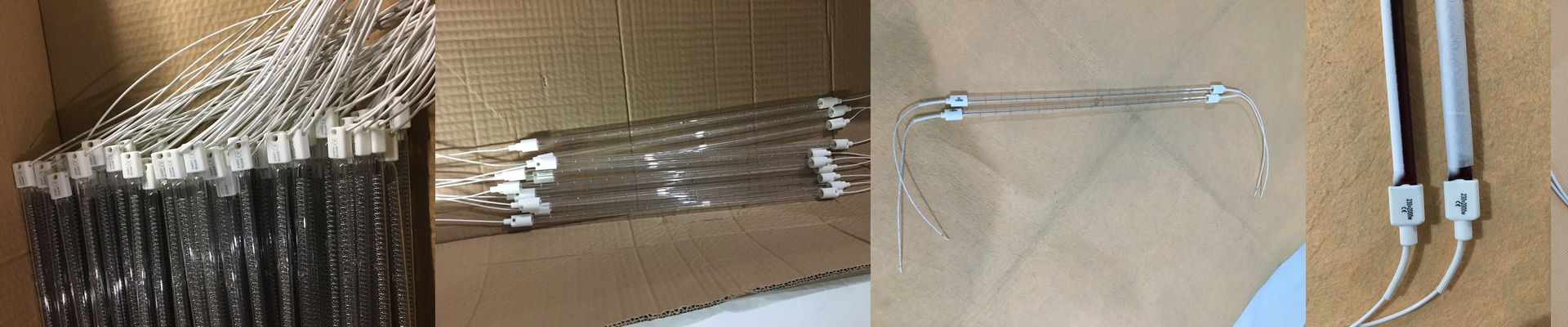
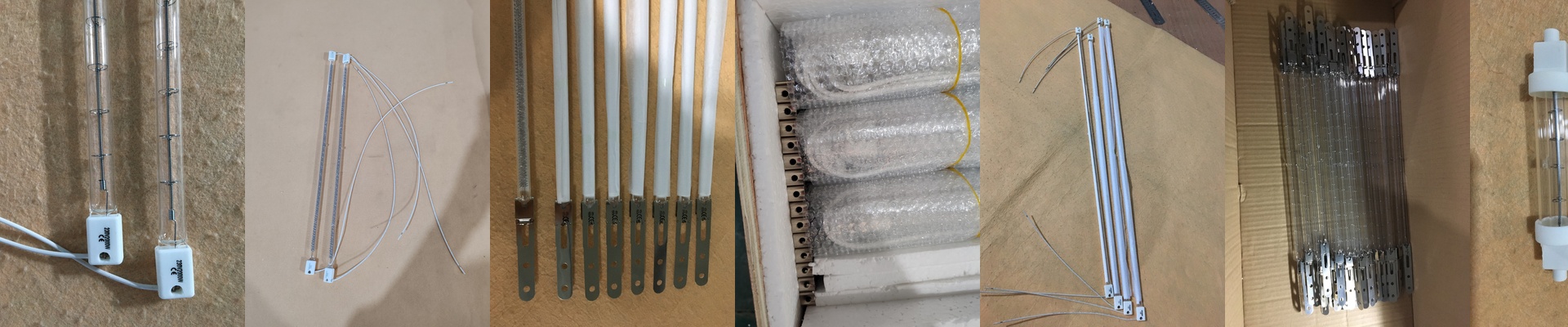
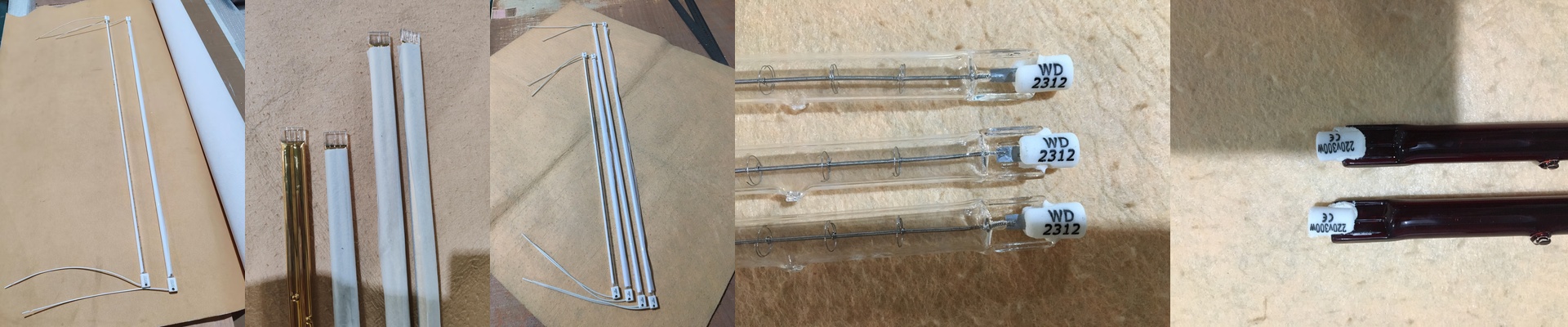
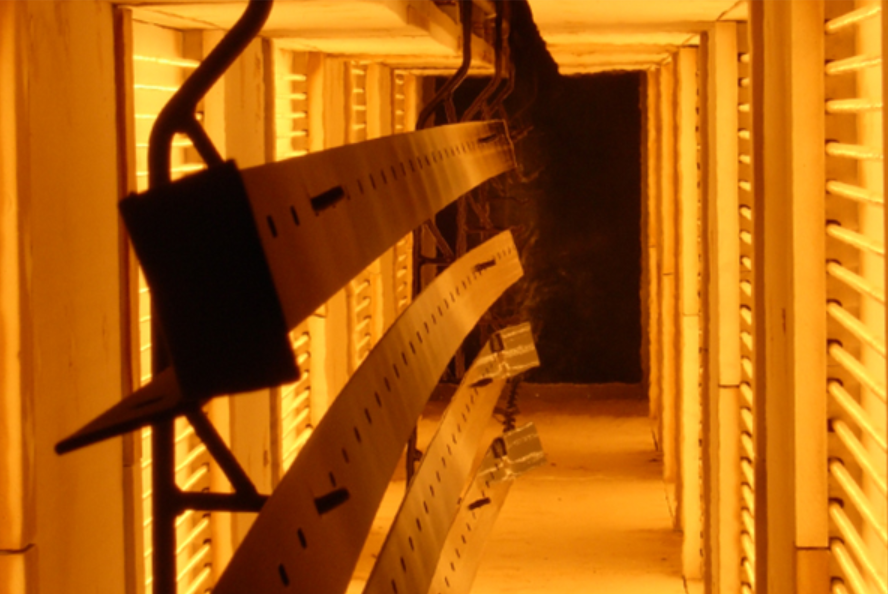
A buddy of mine runs a pretty well-known aluminum plant, and for about six months, his powder coating line was a total nightmare. He was dealing with this frustrating inconsistency. Some parts of the profiles were basically toasted, while others were barely cured. It’s a mess. You end up with powder peeling off or ugly surface defects that make the whole batch look amateur. We went in to take a look at their IR setup, and the problem jumped out at us pretty quickly. The heat just wasn’t hitting where it needed to. See, they were using generic IR lamps. The problem is that aluminum is a heat sponge—it sucks up and dissipates warmth incredibly fast. If your lamps don’t have the right heat density or the wavelength is slightly off, you get these annoying cold spots. We swapped out the generic gear for professional curing lamps built specifically for metals that reflect heat. But we didn’t just plug and play. We got into the weeds with the spectral output. We switched them over to short-wave IR emitters. Why? Because short-wave radiation cuts through the powder layer way faster and hits the aluminum itself. Then, we spent some time tweaking the wattage and voltage until the heat was steady across the entire width of the conveyor. It’s all about the “sweet spot.” We also messed with the distance between the lamps and the parts. If they’re too far away, the heat vanishes. Too close? You burn the powder. We kept adjusting until the radiation profiles overlapped perfectly. That’s how you kill the “zebra stripe” effect—those weird alternating bands of over- and under-cured powder you see when lamps are spaced poorly. Now, there was one catch. These high-output lamps are power-hungry. You can’t just plug them into an old, tired circuit and hope for the best. The plant had to beef up their power distribution to make sure they didn’t get voltage drops that would throw everything off again. Once that was sorted, everything clicked. The profiles now come out of the oven looking exactly the same, no matter where they sat on the belt. No more tossing scrap in the bin. No more spending hours on rework. Just a clean, uniform finish every single time.