Fixing the “Cold Spot” Nightmare in Aluminum Powder Coating
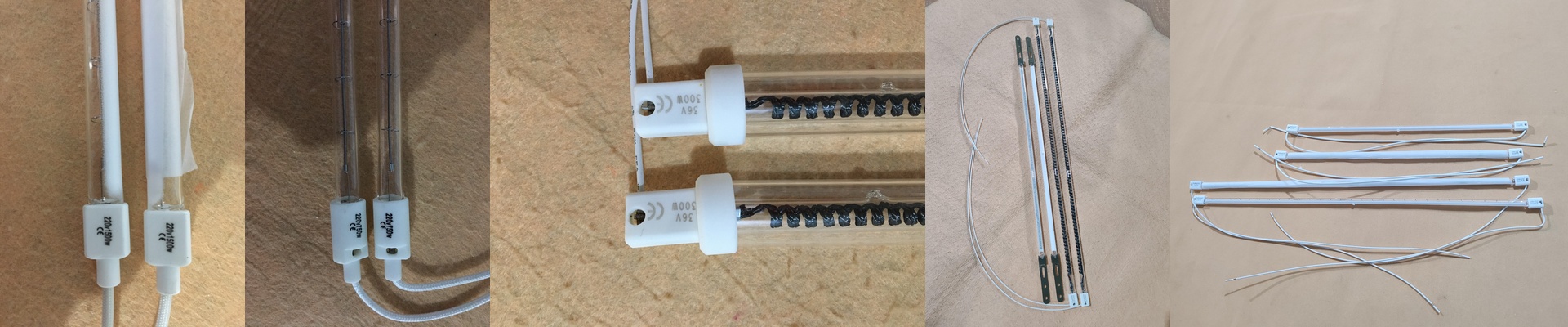
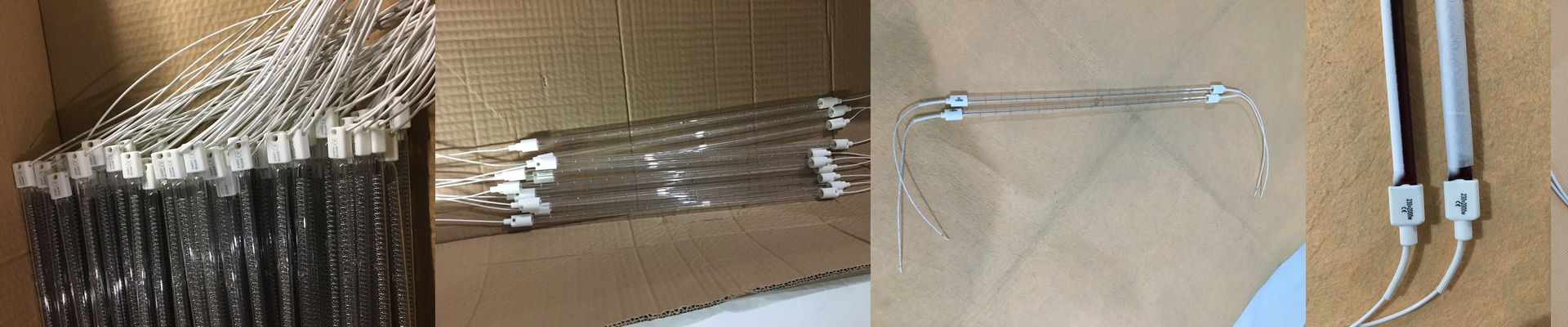
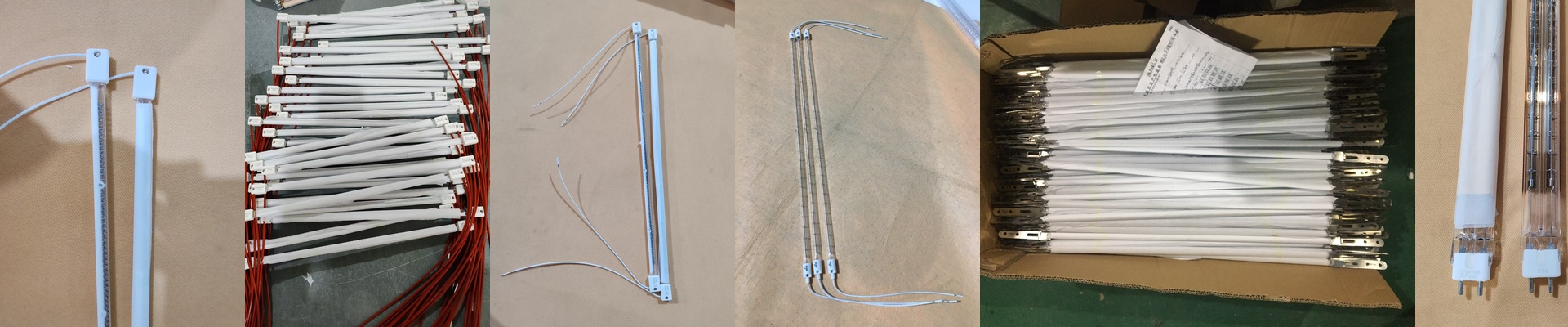
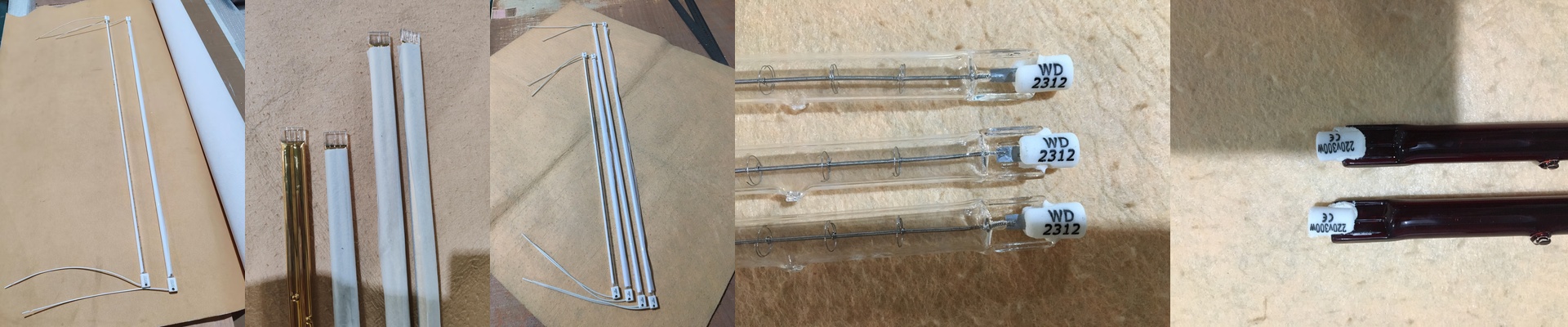
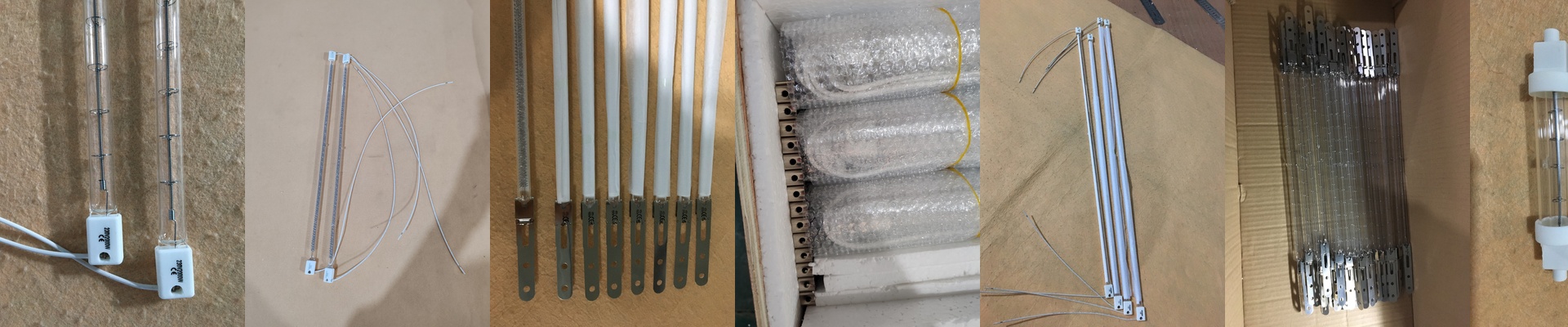
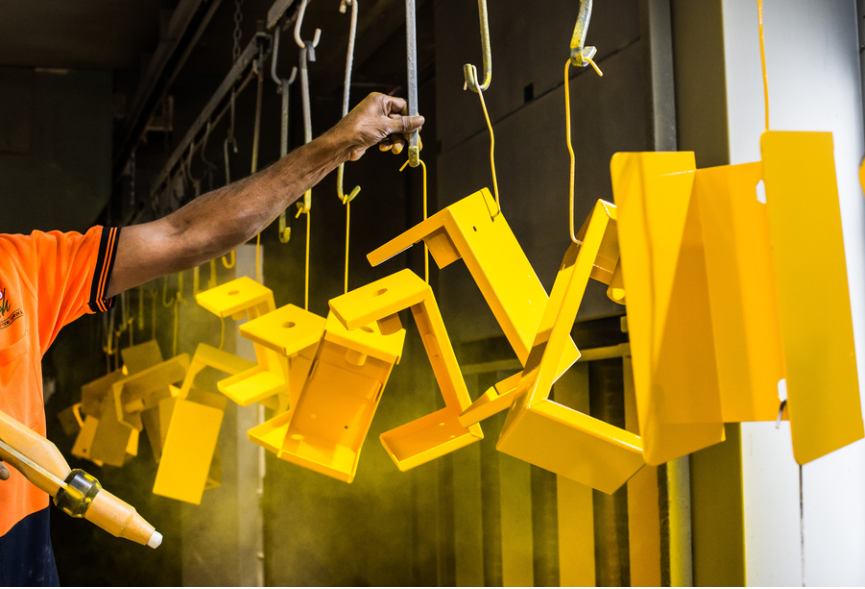
A big aluminum extrusion plant I worked with recently hit a wall. For six months, their curing line was a mess. Some parts of the profiles were getting scorched, while others weren’t even curing properly. The result? A total headache. The gloss looked patchy, and the coating was peeling off in some spots. Not a great look. The problem was the heat. They were using standard convection heating—basically just blowing hot air. Now, aluminum moves heat well, but the shapes of these profiles were creating “cold spots” where the air just couldn’t reach. We measured it and found a temperature gap of over 15°C across a single profile. That’s a huge difference when you’re trying to get a perfect finish. So, we stopped worrying about the air and started looking at infrared (IR) radiation. We swapped out those generic heating blocks for a zoned IR array. Instead of heating the air around the part, short-wave emitters let us punch right through the powder and heat the aluminum itself. We set it up with independent controllers for each zone. This meant we could crank up the heat in the center of the conveyor and dial it back at the edges where heat tends to leak out. It gave us a level of control they just didn’t have before. It wasn’t a magic fix, though. IR has its own quirks—specifically the “shadow effect.” If you stack your profiles too tight, the top ones block the heat from hitting the bottom ones. We had to spread things out on the conveyor to make sure the lamps had a clear line-of-sight. Yeah, it took up a bit more floor space. But it totally killed the uneven bake. We tied the whole thing into real-time pyrometer readings, so the system adjusted on the fly. Suddenly, the heat was flat and consistent across the entire surface. The “orange peel” texture vanished. Even better? They chopped their cure cycle time by 20%. Everyone’s a lot happier when you stop scrapping parts and start moving them out the door faster.