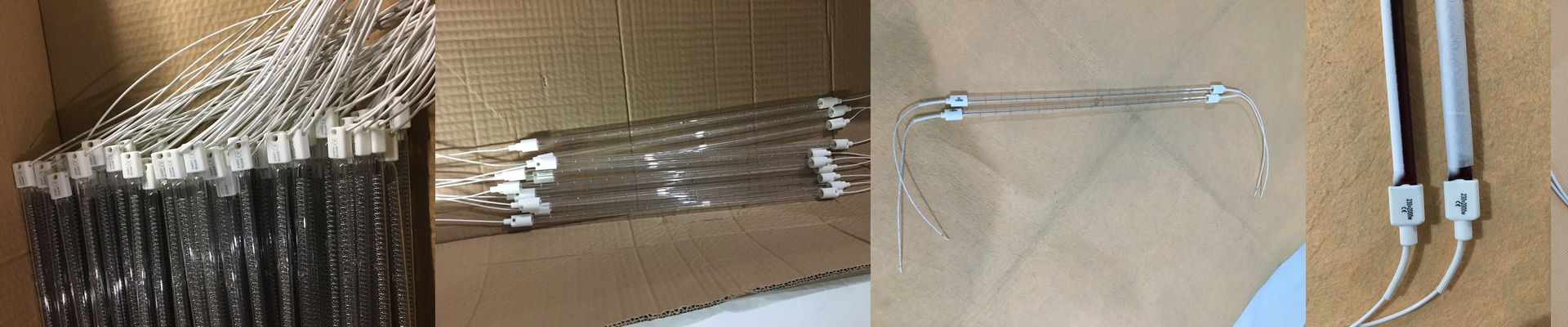
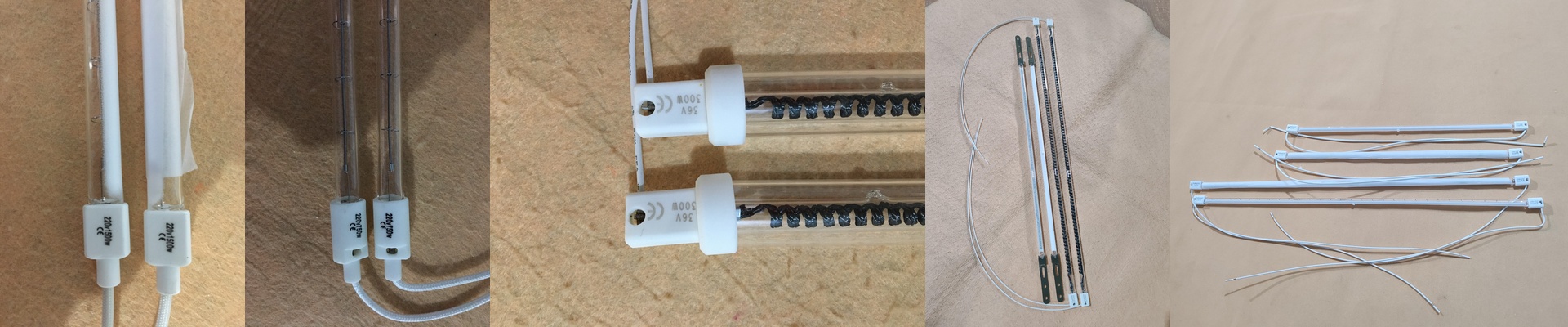
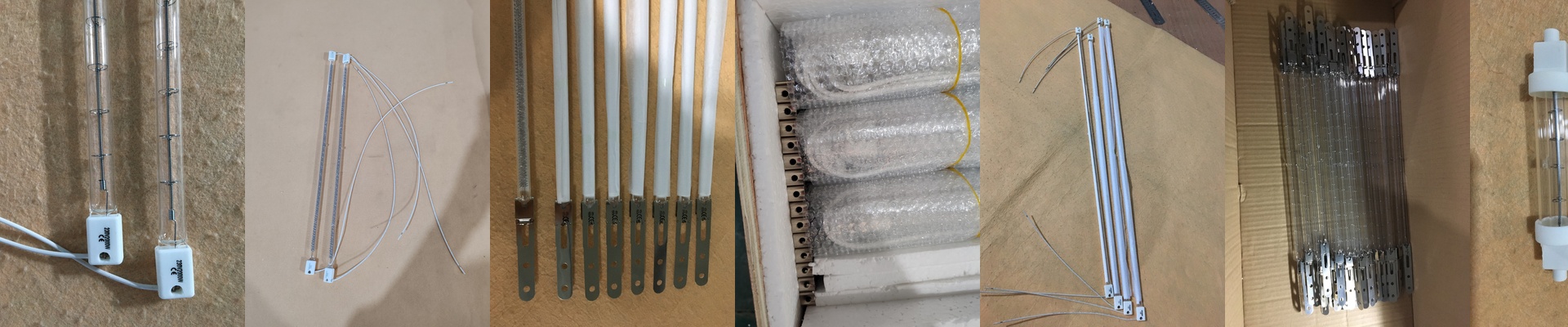
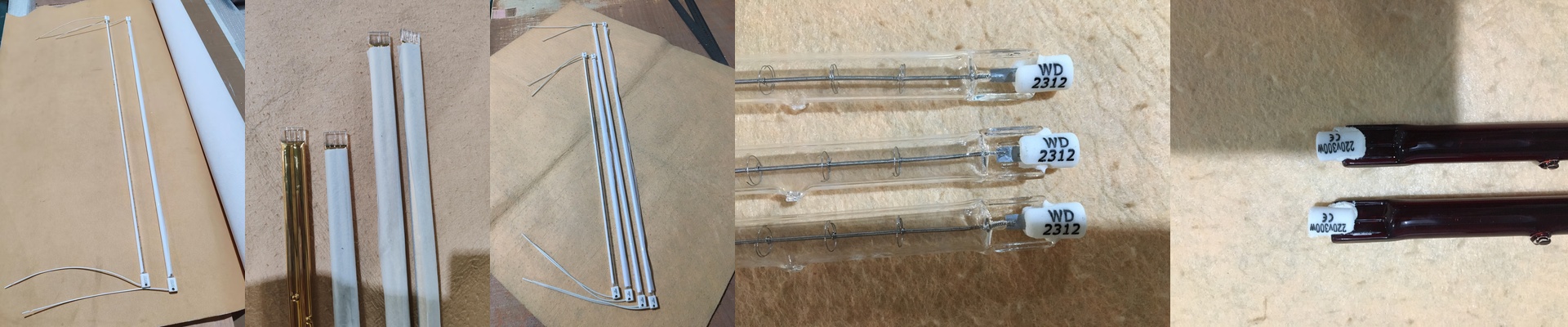
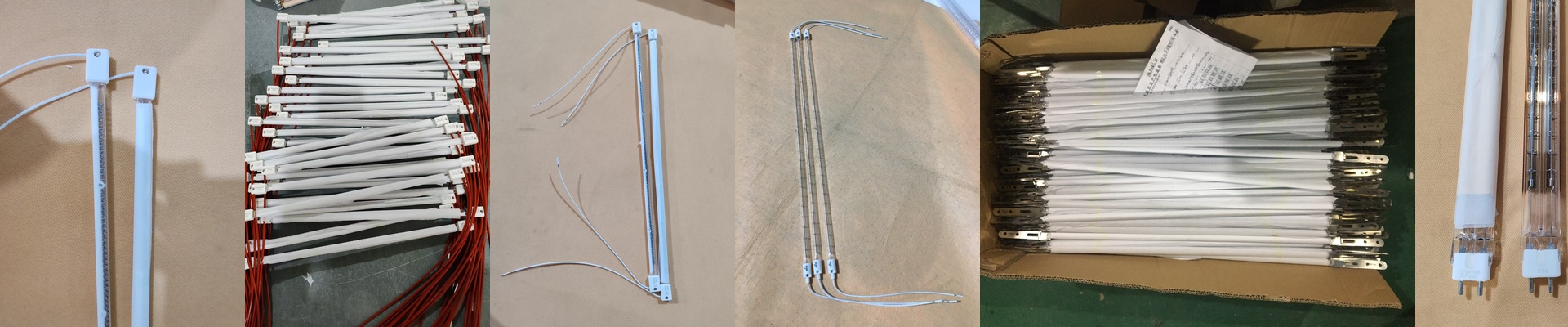
Look, replacing those old infrared elements in a legacy powder line isn’t just about checking a box on a maintenance list. It’s more like giving your production line a second wind. You get to reclaim all that lost speed without the nightmare of ripping out the entire oven and starting from scratch. When you swap those tired, degraded tubes for modern high-output ones, the whole feel of the system changes. Here is what’s actually happening. Old elements just get tired. They lose their punch, they develop hot spots, and suddenly you’re cranking the voltage just to hit your cure temp. It’s a struggle. But when you drop in new, precision lamps, that heat density comes roaring back. I see this all the time with shortwave systems. The energy transfer is just… direct. You hit your curing temp faster, which means your parts move through the line quicker. It’s a win. Do you really need a new oven? Probably not. Most of the time, the chassis and the conveyor are still rock solid. Why throw away a perfectly good frame? We just focus on the heart of the machine: the heating core. By swapping the elements, you can actually tune the wavelength to match the specific powder you’re using. If you’ve switched to a low-cure powder, you can pick lamps that give you a more controlled, steady soak. It’s a much smarter way to work. But there is a catch. You have to watch your electrical load. You can’t just slide in 5kW tubes if your old wiring was only built for 3kW. That’s a recipe for disaster. Check your contactors. Check your breakers. If you push your panel past its limit, you’re going to trip the system right in the middle of a cycle, and nobody wants to deal with that mess. Updating your elements is honestly the quickest way to make your line feel brand new again. You stop wasting energy heating up the oven walls and start putting that heat exactly where it belongs: on the workpiece. Just one last thing—make sure your cooling fans can handle the extra heat those new lamps put out. Keep things cool, and you’re golden.