Stop Wasting Money Heating Your Whole Shop
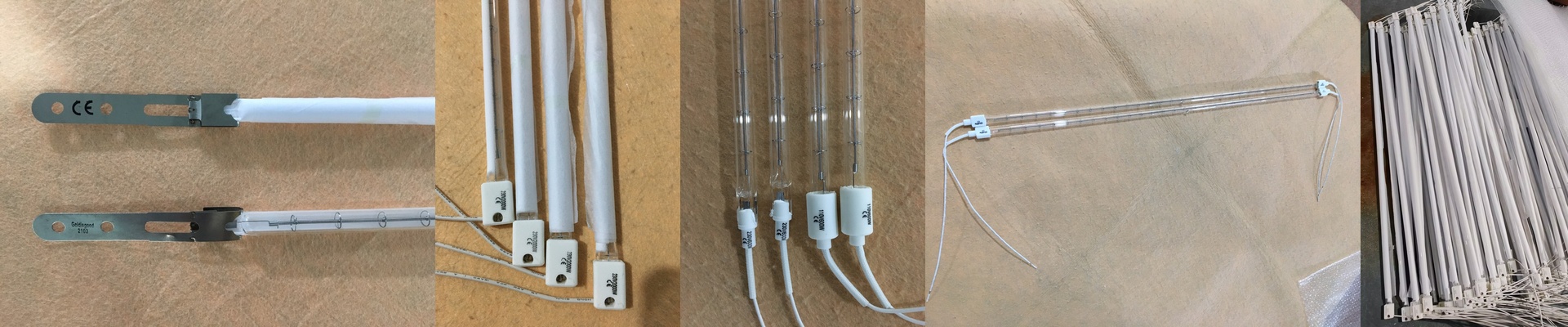
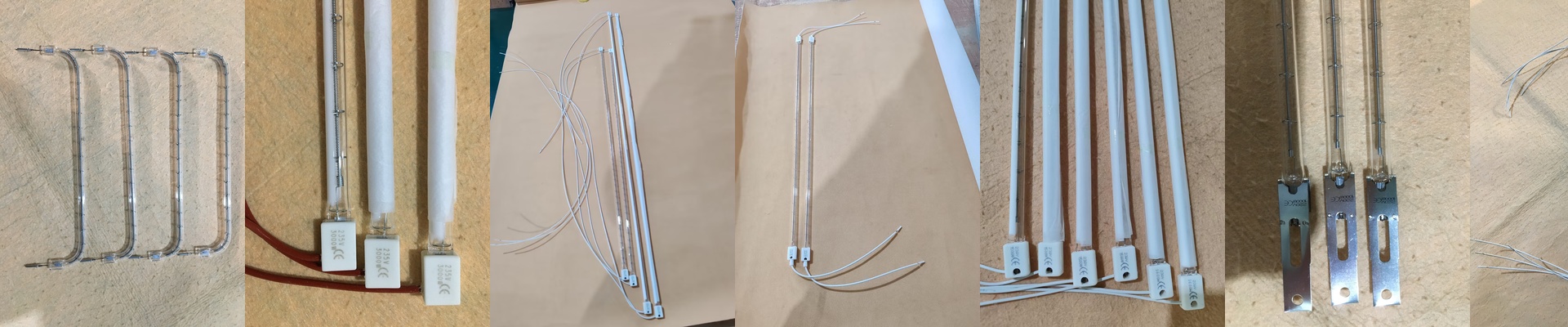
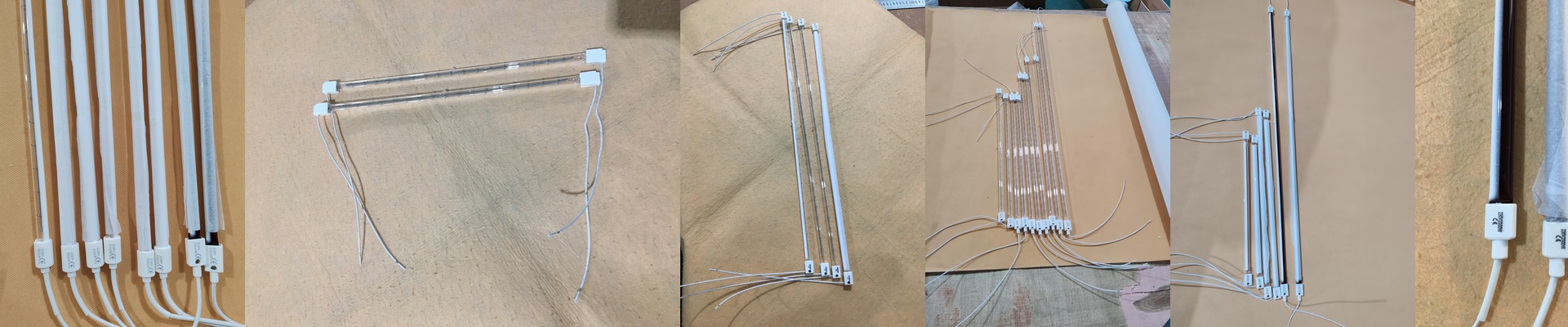
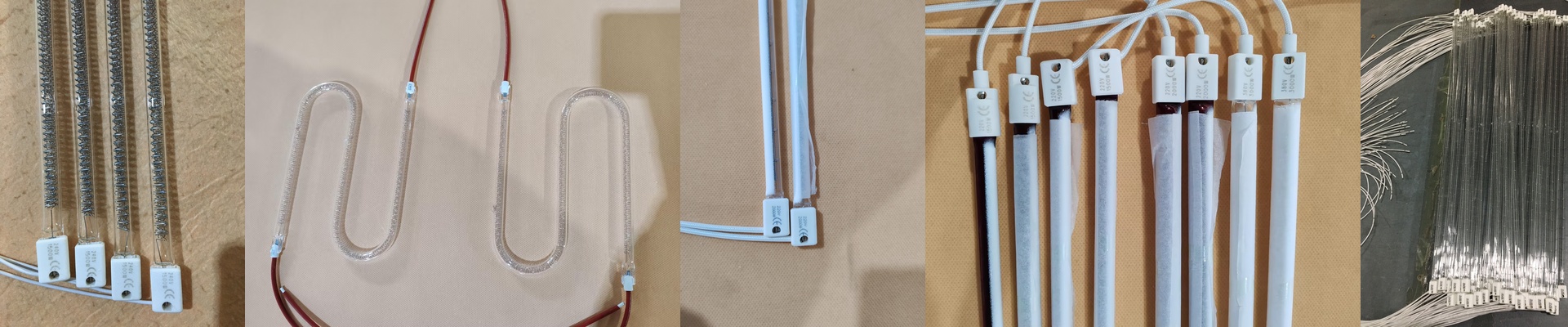
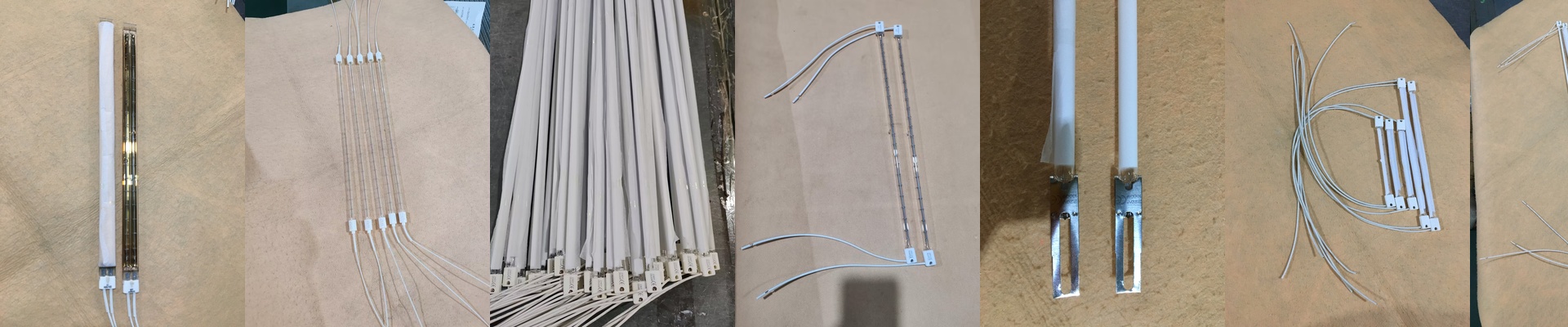
When margins are thin, the cost of heat is usually where you’re losing the most money. Most shops I talk to are still using convection ovens. The problem? You’re basically heating up the entire room just to get a few parts cured. It’s wasteful. Shortwave infrared (IR) does things differently. Instead of warming the air, it hits the coating directly. It’s radiation, not a breeze, and it gets straight to the point.
Speeding Up the Line
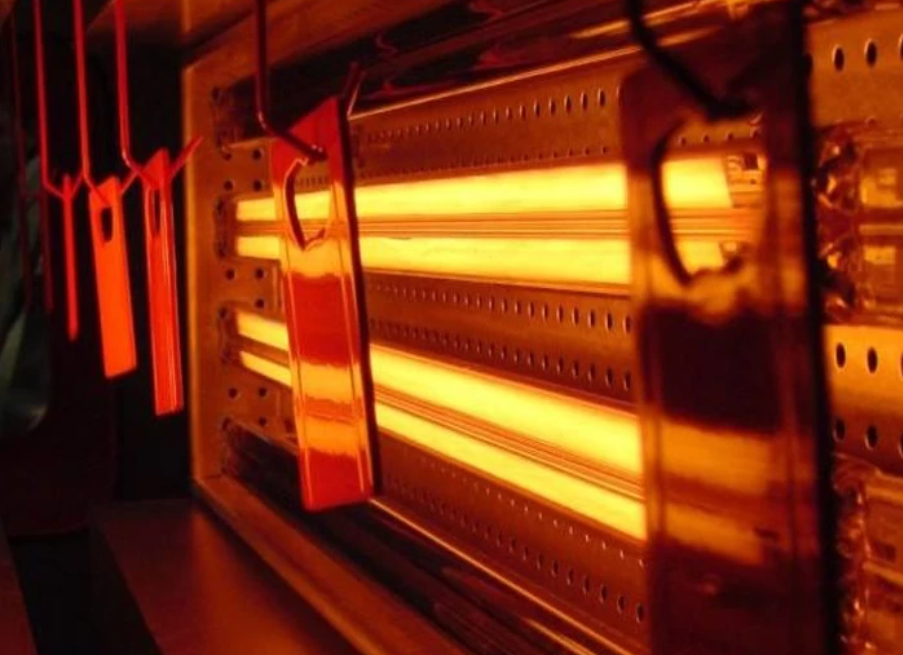
Traditional convection is slow. It relies on air moving around, which takes forever and burns through electricity. IR uses electromagnetic waves to get the molecules in your paint or powder moving. It hits the curing temp in seconds. Think about that. If you can drop your cure time from 20 minutes down to 3, your line speed jumps instantly. You aren’t adding more floor space or hiring more people—you’re just moving more parts per shift. Plus, your energy bill stops spiking because you aren’t spending hours heating up the oven walls.
The Catch (And How to Handle It)
Now, IR isn’t a magic wand. It packs a massive punch of heat, and that can be a problem if you aren’t careful. If your conveyor speed and lamp intensity aren’t perfectly synced, you’ll scorch the edges of your parts. It happens. To avoid those “hot spots,” you’ll need a solid conveyor drive and a precise PID controller to keep things steady. And here’s something people often forget: the cooling. Because the parts cure so fast and get so hot, you can’t just grab them or toss them in a box. You’ll probably want a forced-air cooling tunnel. It brings the parts back down to room temperature before they hit the packing station so nobody gets burned.
Making Room to Grow
Switching to IR isn’t just about being “green.” It’s about the actual footprint of your shop. You can often swap out a clunky 30-foot convection oven for a 10-foot IR tunnel. That’s 20 feet of floor space you just got back. You can put another production line in that spot or finally have some room to breathe. It’s a simple way to bring down your overhead on every single part that leaves the building.