Stop Wasting Heat: Matching Your IR Bulbs to Your Dyes
Here is the thing about textile dyeing: it’s all about how the fabric “drinks” the energy. If you just throw a standard heater bulb at your fabric without checking the emission spectrum, you’re basically paying to heat the air in your factory. It’s a waste of money and electricity. The trick is to make sure the infrared (IR) waveband actually matches the absorption peaks of your specific dye and fabric.
Why the wavelength actually matters
Not all dyes are created equal. Some react to short-wave IR, which sinks deep into the material. Others prefer medium-wave IR, which organic fibers and water soak up way faster. When your bulb’s spectrum lines up perfectly with the dye’s absorption curve, the energy transfer happens instantly. It’s like a lock and key. This means your colors set faster, and you can crank up your line speeds without worrying about the bond failing.
The hardware side of things
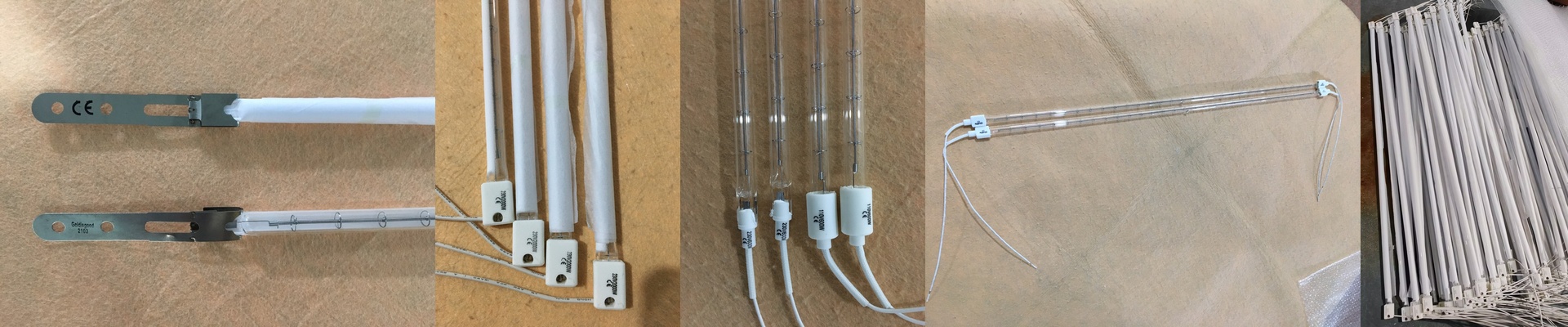
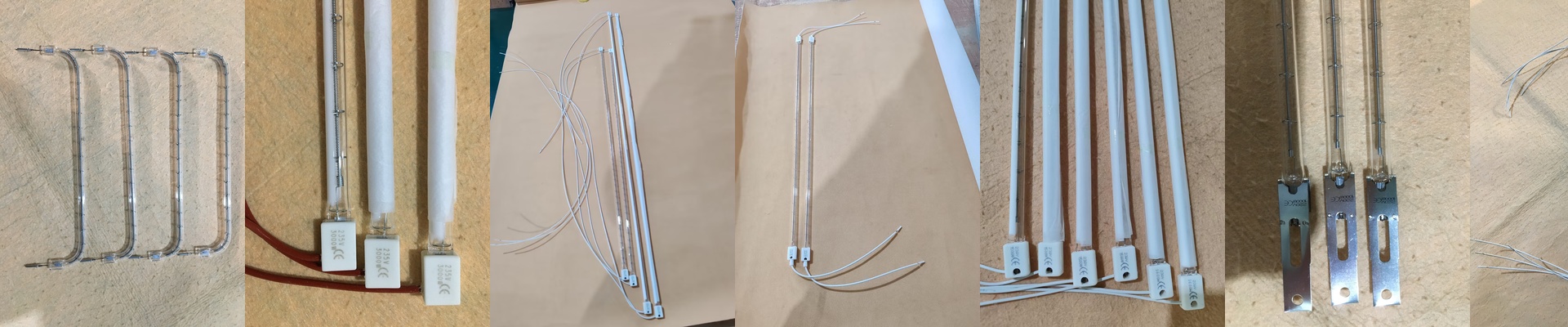
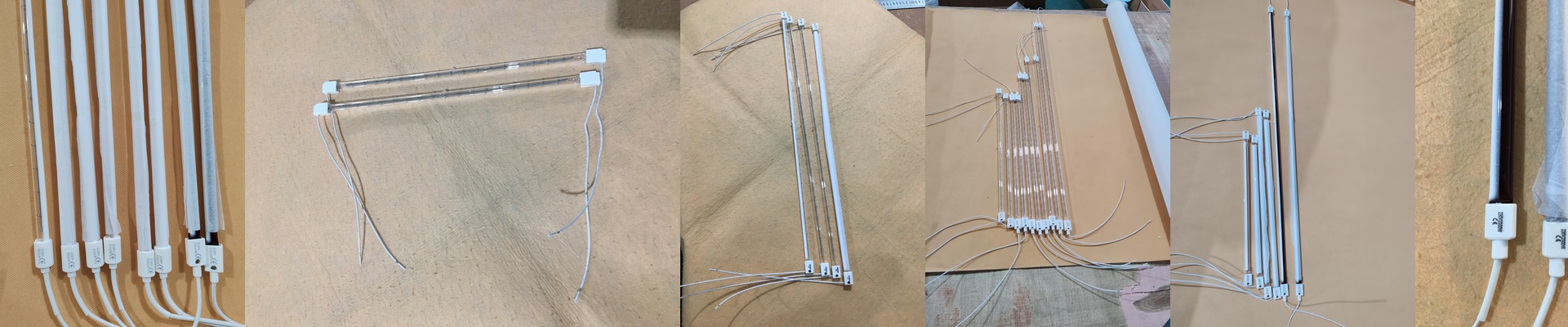
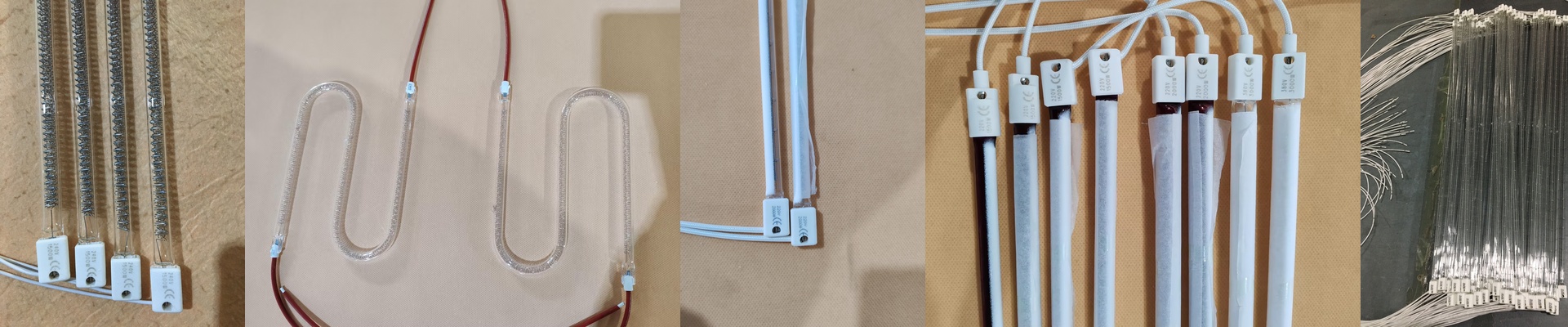
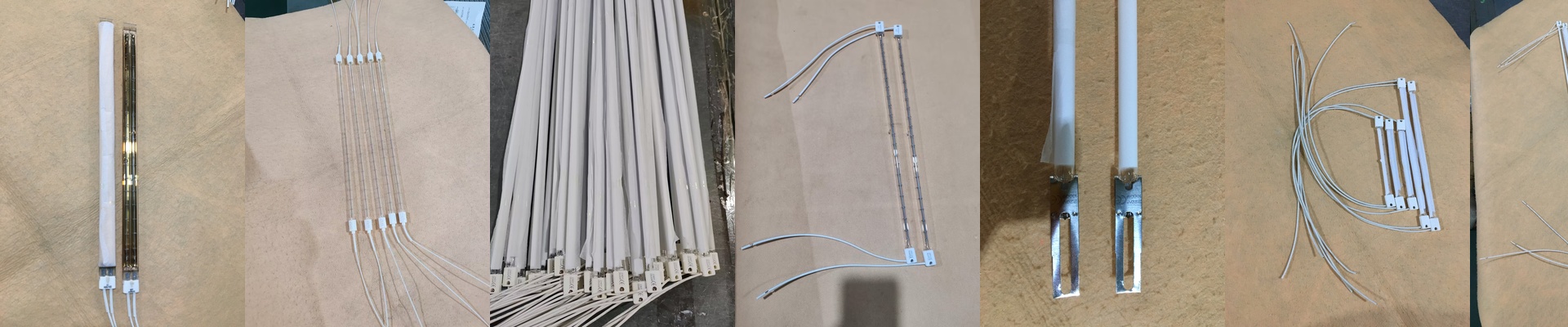
We build these bulbs to take a beating. Because textile setups involve rapid cycling, we use quartz envelopes to handle that sudden thermal shock. But you have to be careful with your wattage. It’s a balancing act with your conveyor speed. If you pump too many kilowatts into a web that’s moving too slowly? You’re going to scorch your fabric. And a quick tip: keep your reflectors clean. If they get pitted or dirty, the energy bounces right back into the lamp. That’s a one-way ticket to a premature burnout.
The trade-offs you should know about
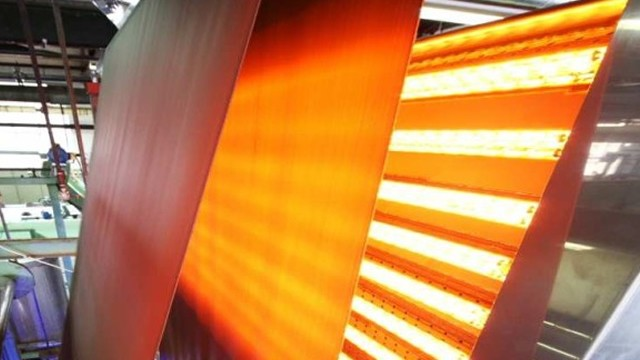
Getting the waveband right makes you way more efficient, but it does change your thermal footprint. A bulb tuned for high absorption usually has a narrower heating zone. You might find you need a few more lamp banks to make sure the heat is even across the whole width of the fabric. I’d also suggest using a precision controller. If your voltage jumps around, your emission spectrum shifts. That’s how you end up with a batch that’s dyed unevenly, which is a nightmare to fix.