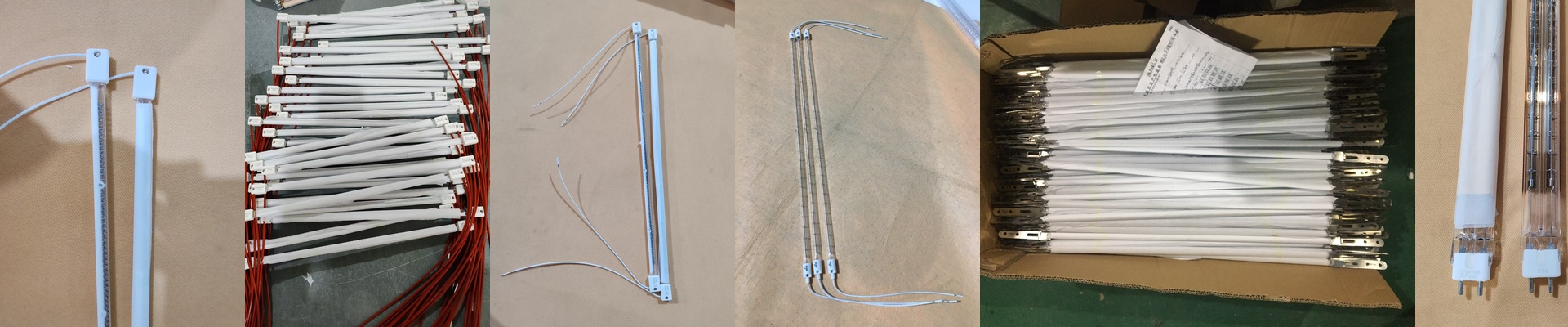
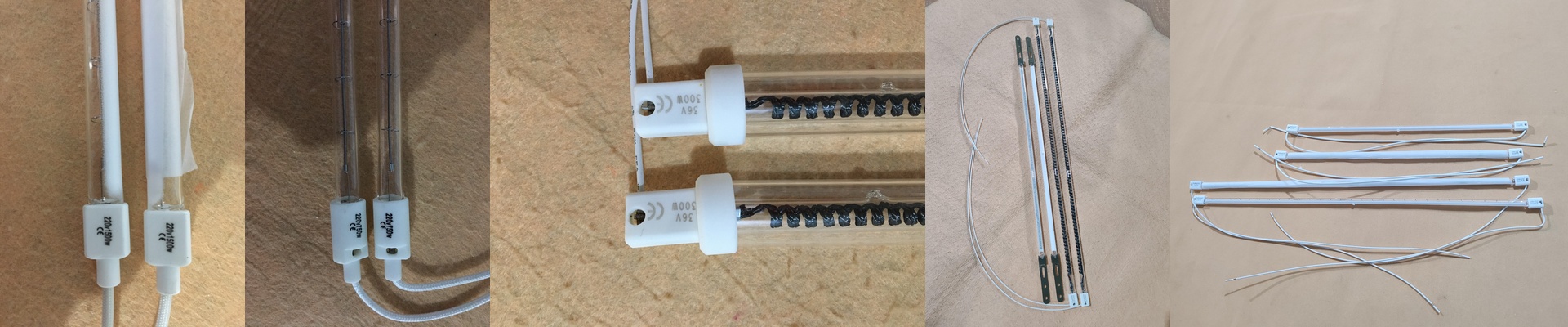
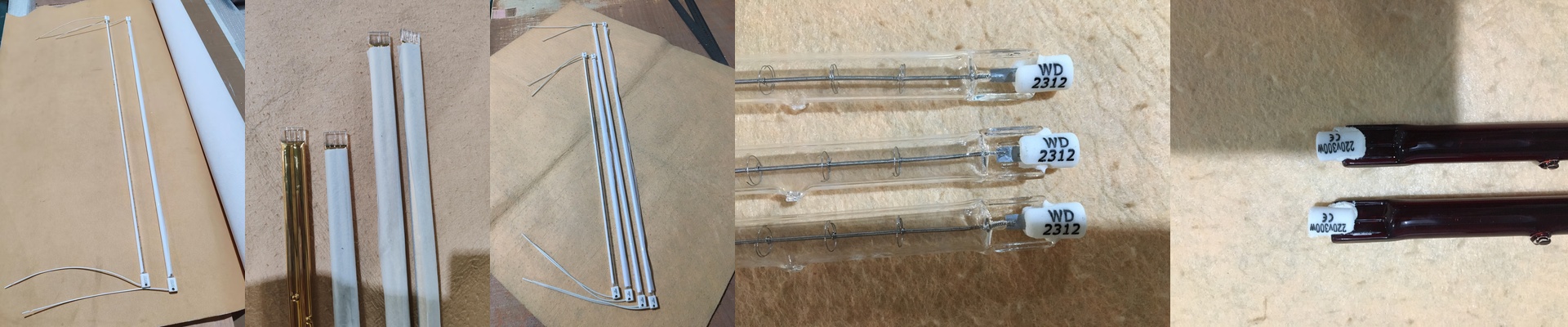
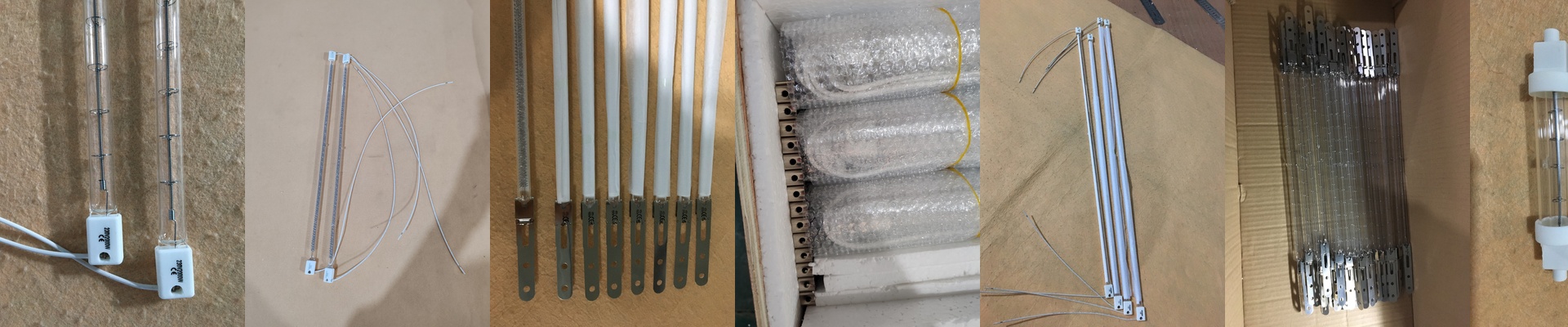
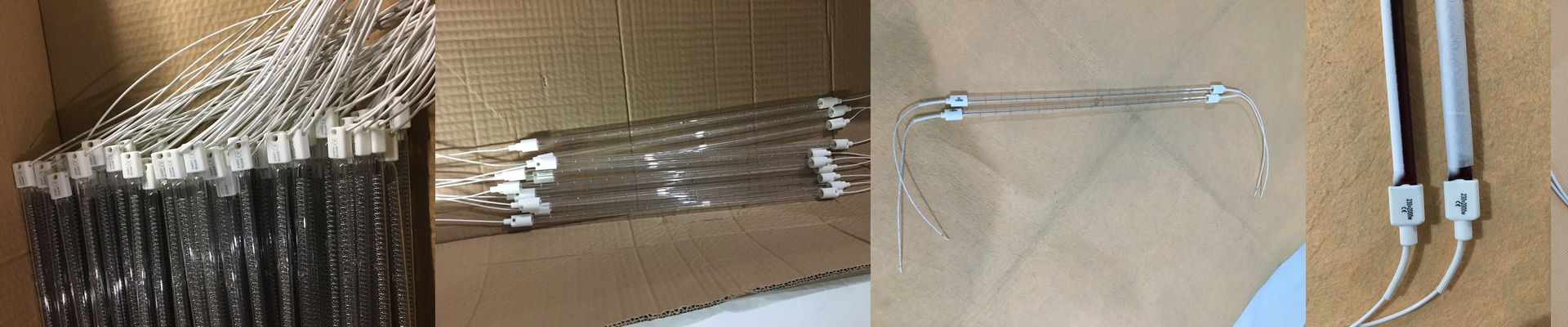
Ditching the OEM Shackles for Domestic IR Heating
A lot of appliance plants start out with OEM infrared setups. They work. They’re reliable. But there’s a catch: once you’re in, you’re in. You end up trapped in a cycle of overpriced replacement parts and service contracts that feel more like a leash than a partnership. Lately, we’ve seen more and more shops making the jump to high-end domestic IR suppliers. Why? Because waiting weeks for a part to ship is a nightmare, and the OpEx is usually way too high. You can cut those costs and lead times without ruining your finish.
The “Cold Spot” Fear
Here is the thing: the biggest worry when switching brands is the dreaded cold spot. If the new lamps don’t hit the same wavelength or heat density as the old ones, your powder won’t flow. It won’t cure. You’ll end up with parts that look like a botched DIY project. That’s why we don’t guess. We look at the spectral output of your original lamps. We figure out if you were using short-wave for that quick surface hit or medium-wave to really get the heat deep into the metal. It’s about matching the “feel” of the heat, not just the temperature on a screen.
Proving It Works
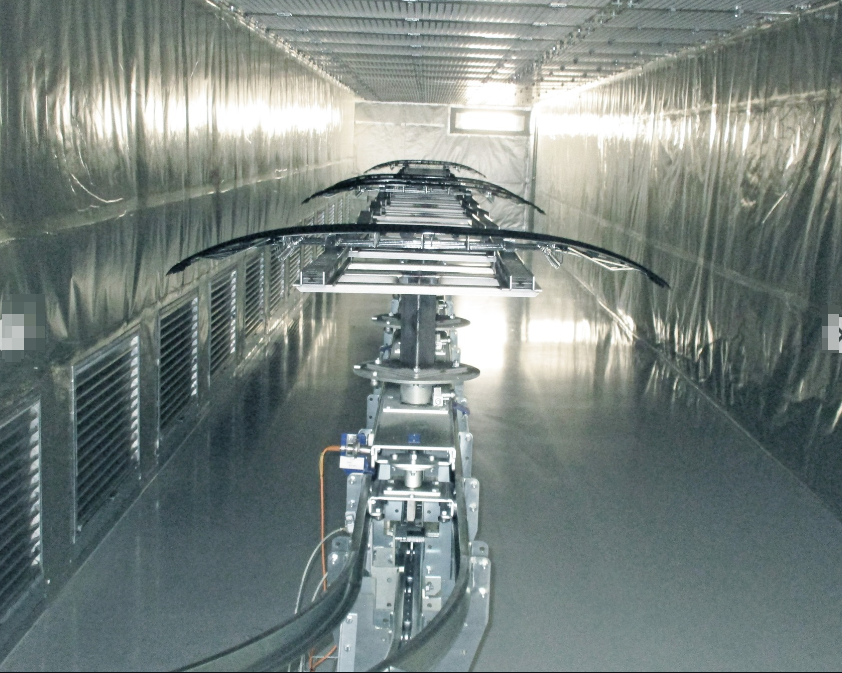
You can’t just swap a lamp, flip a switch, and hope for the best. That’s a recipe for a bad Tuesday. We do this in stages. First, we put a test bank in one single zone. Then, we get in there with digital pyrometers and map out the surface temp of the parts as they move down the belt. If those domestic lamps stay within $3^\circ\text{C}$ of the original spec? Then—and only then—do we roll it out to the whole line.
The One Real Headache: The Controllers
Now, the hardware is usually a simple drop-in. The controllers? Not so much. OEM systems love their “closed-loop” logic. They basically speak a secret language that doesn’t always play nice with third-party PID controllers. You might have to spend some time rewiring the control cabinet or tweaking your PLC logic to handle the new power curves. It’s a bit of a hassle upfront. I won’t sugarcoat it. But once that’s done, the brand lock-in is gone. You’ve got your heat map verified, your power spec’d out, and the cost to cure every single part drops. It’s a breath of fresh air for the budget.