How We Actually Build Quartz Halogen Heaters
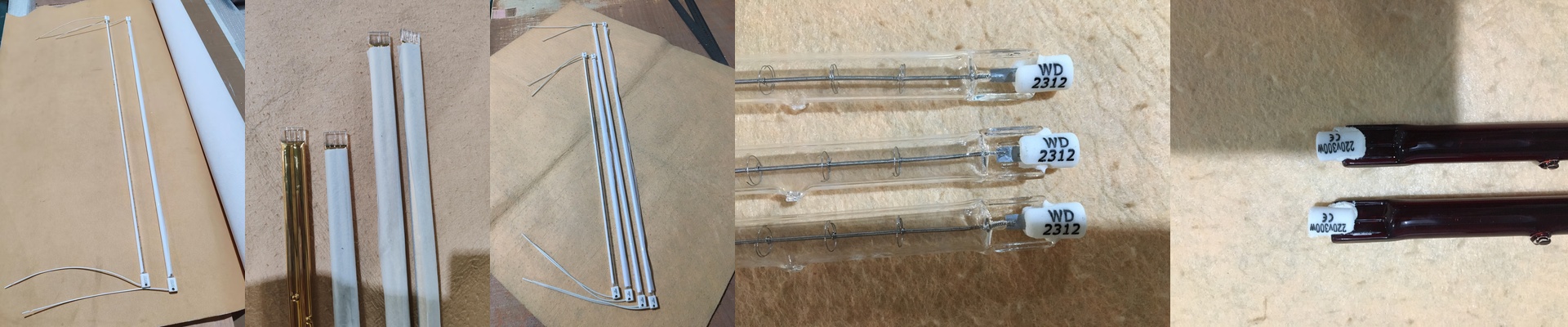
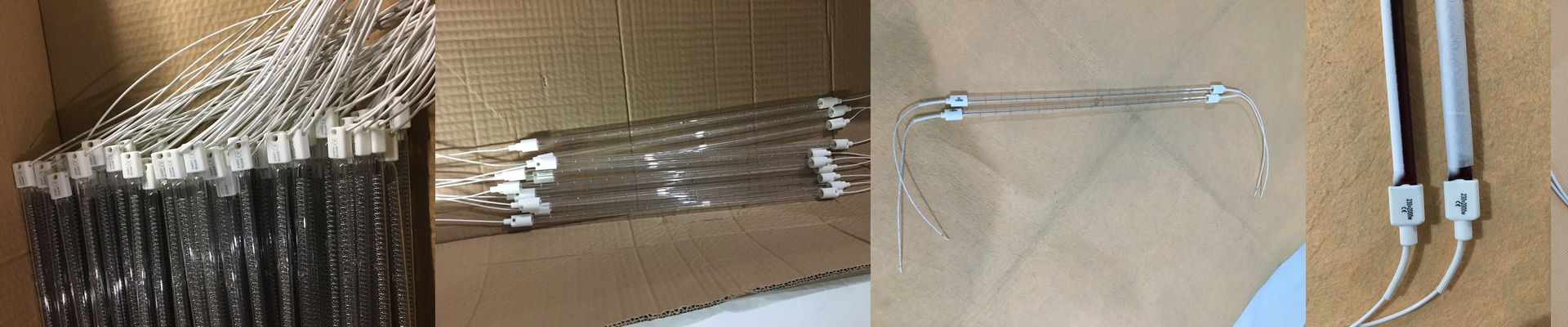
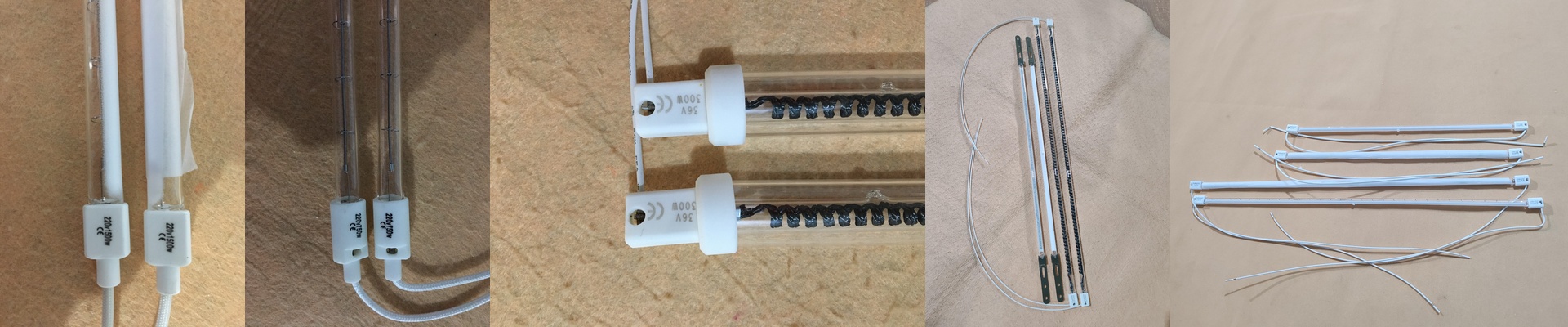
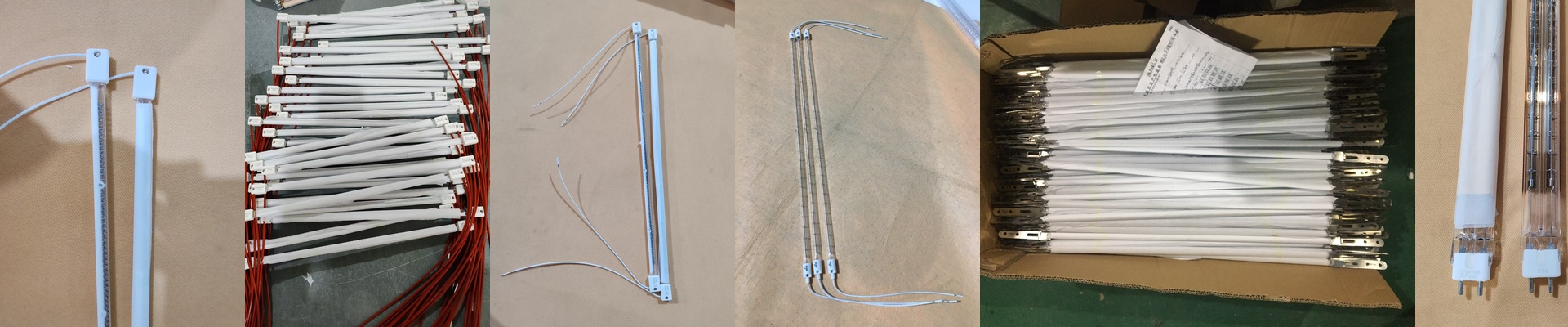
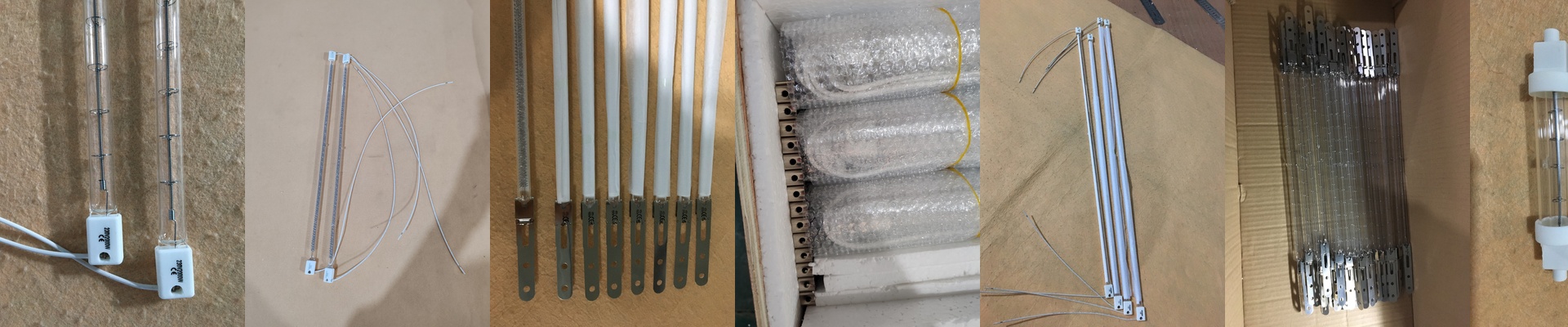
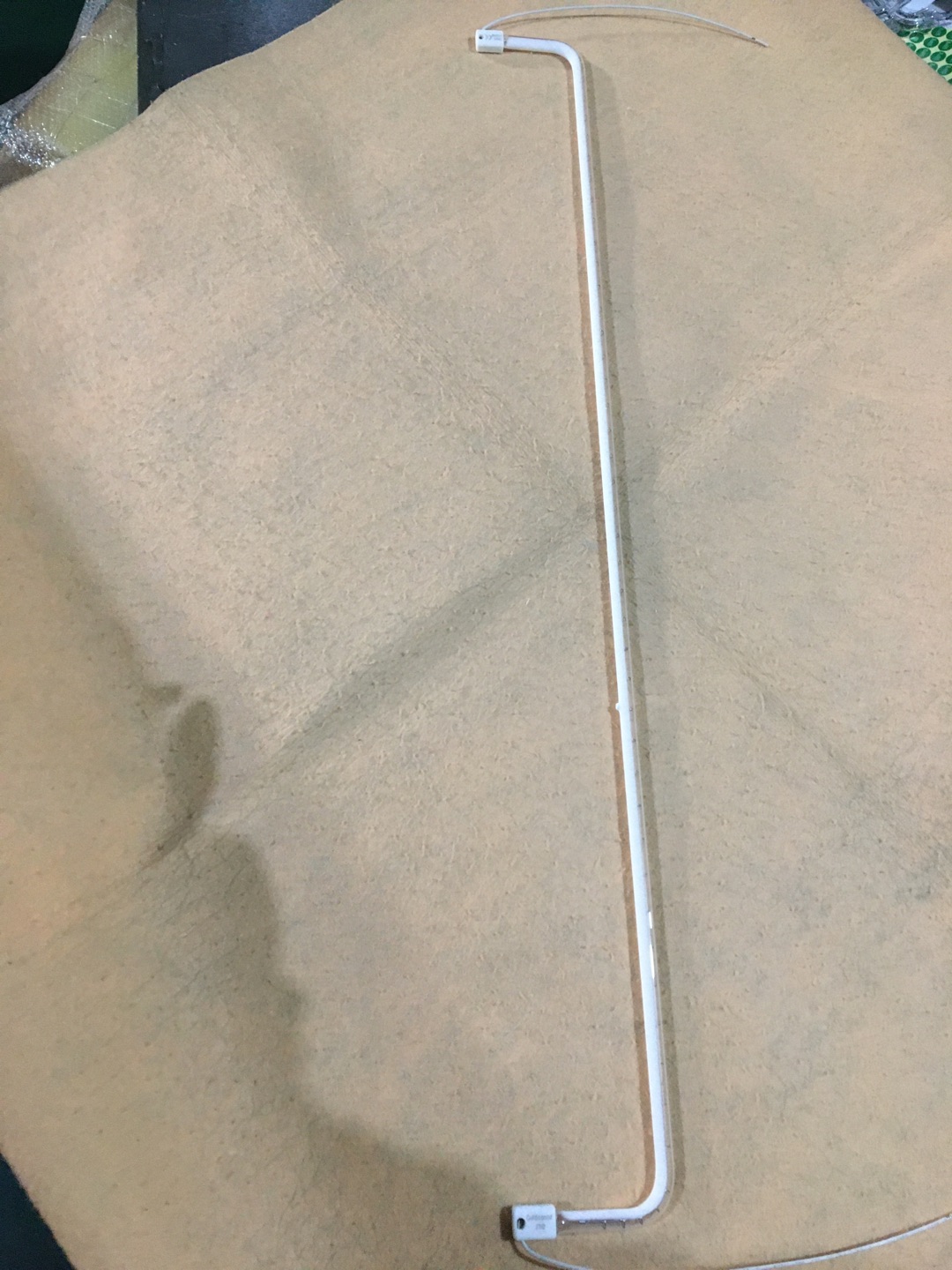
Let’s talk about quartz halogen lamps. On paper, they’re “shortwave infrared emitters,” but in plain English? They’re basically high-intensity heat machines. We take a tungsten filament, wrap it in a high-purity quartz tube, and pump in a mix of halogen gas. Why the gas? Because it stops the filament from burning out too fast. It lets us crank the heat way higher than what you’d find in a basic lightbulb without the whole thing just giving up. The Power Stuff When you’re picking out a high-wattage tube, you’re usually looking for one thing: speed. These things hit full blast in seconds. No waiting around for a slow warm-up. To make your life easier, we use standard connectors like R7s or SK15. You can just plug them in and go—no messing around with custom soldering. And if you’re running a big array on a 400V system, you’ll notice the heat spreads much more evenly across whatever you’re working on. Why Quartz? The quartz glass is where the magic happens. It lets that shortwave radiation fly right through without soaking up the energy. Some of our tubes have special coatings. These are great if you need to tweak the heat spectrum or if you’re working on a factory floor where chemical splashes are just part of the job. The best part is that the energy doesn’t just sit on the surface; it actually sinks deep into the material. Making it Work in the Real World If you’re blowing PET bottles or curing plastics, these are your best friend. They give you just enough punch to soften the polymer without accidentally torching it. Plus, they usually slide right into most oven arrays without any fuss. But here’s the thing: all that heat is intense. The ends of the lamps really take a beating. To keep things from going south, keep your reflectors sparkling clean and make sure your cooling fans are actually doing their job. If you skimp on the airflow, those sockets will melt, and nobody wants to deal with that.