Getting the Heat Right: A Look at Our Shortwave Halogen Emitters
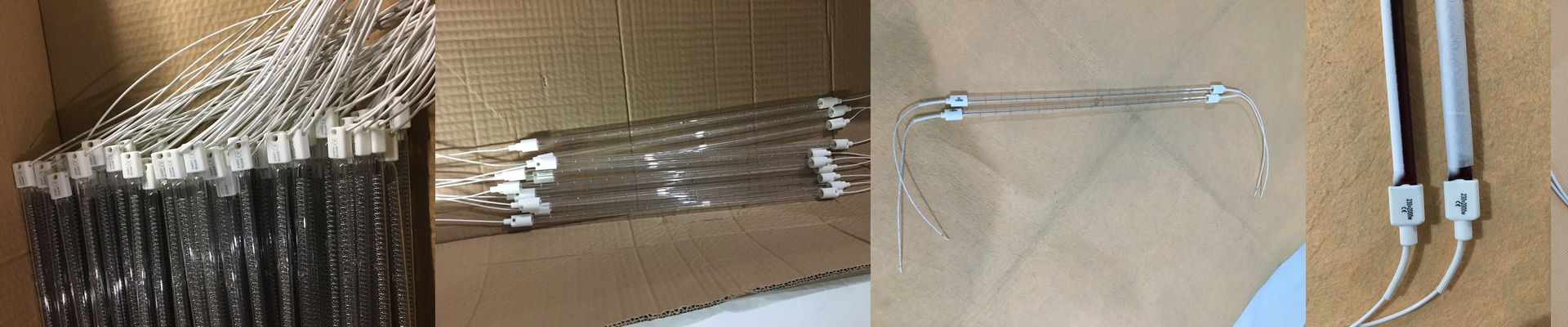
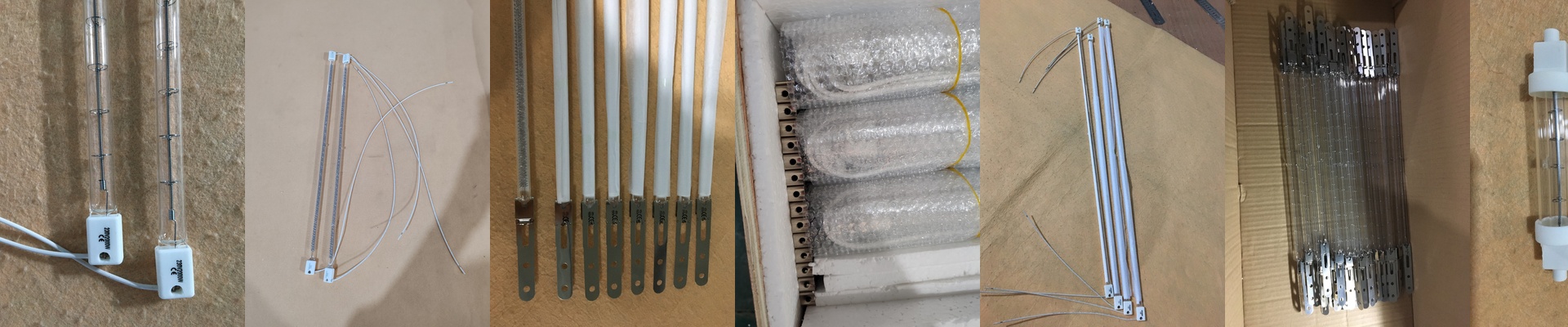
We build infrared halogen emitters for people who need a massive amount of heat, and they need it fast. The setup is pretty straightforward: a tungsten filament tucked inside a quartz tube and filled with a specific halogen gas mix. The magic happens because of that chemistry. It lets the filament run way hotter than normal without just evaporating away. That’s how we push the energy into the shortwave range.
The Power Side of Things
When you’re picking out an emitter, the voltage and wattage are what really determine how much heat you’re actually hitting your product with. If you’re running high-wattage tubes—we’re talking 2000W to 3000W—you have to be careful. Your voltage needs to match perfectly. If it doesn’t, or if your power supply likes to spike, you’re going to burn through lamps way too quickly. A 400V system puts out an incredible amount of heat, but it’s tough on the equipment. It puts a lot of stress on the seal where the quartz meets the metal. And a quick tip: if your cooling system can’t handle the heat build-up around the lamp, you’re just cutting your lamp’s life short.
Materials and Plugging It In
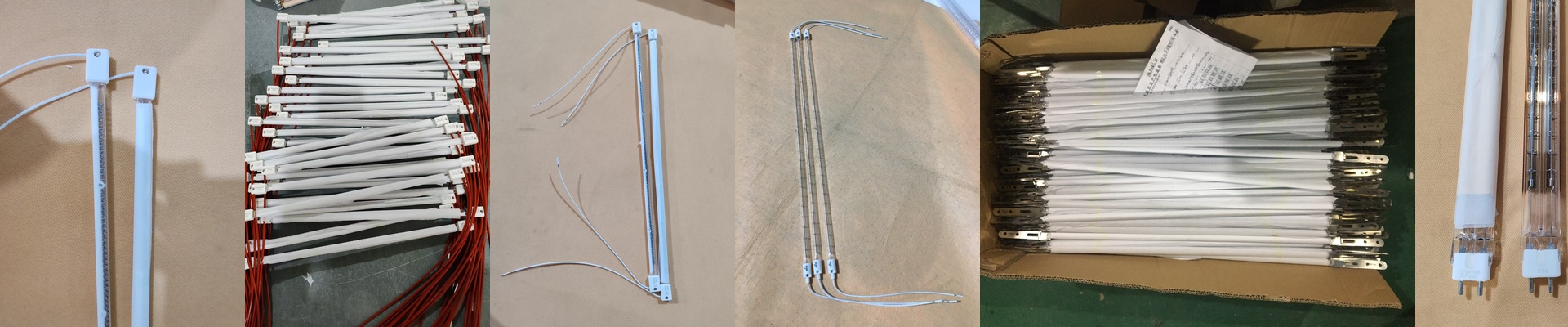
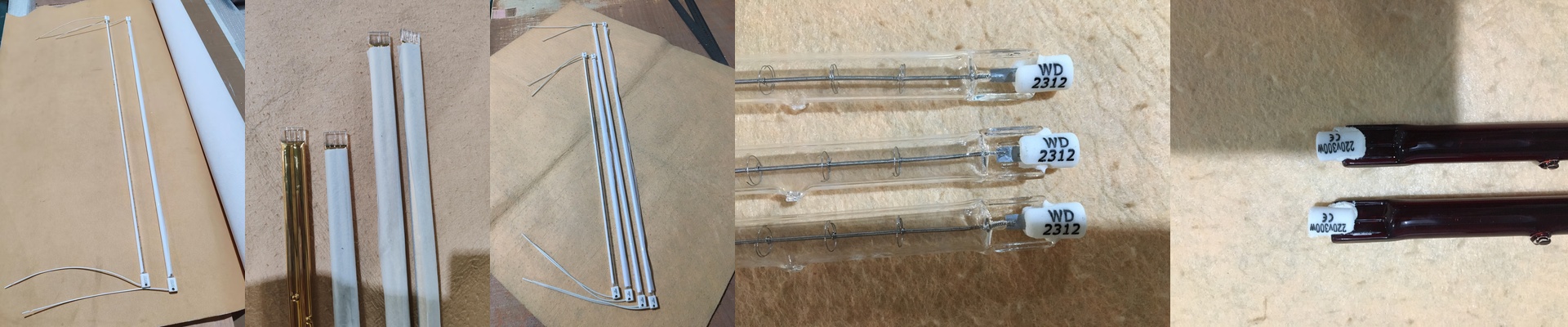
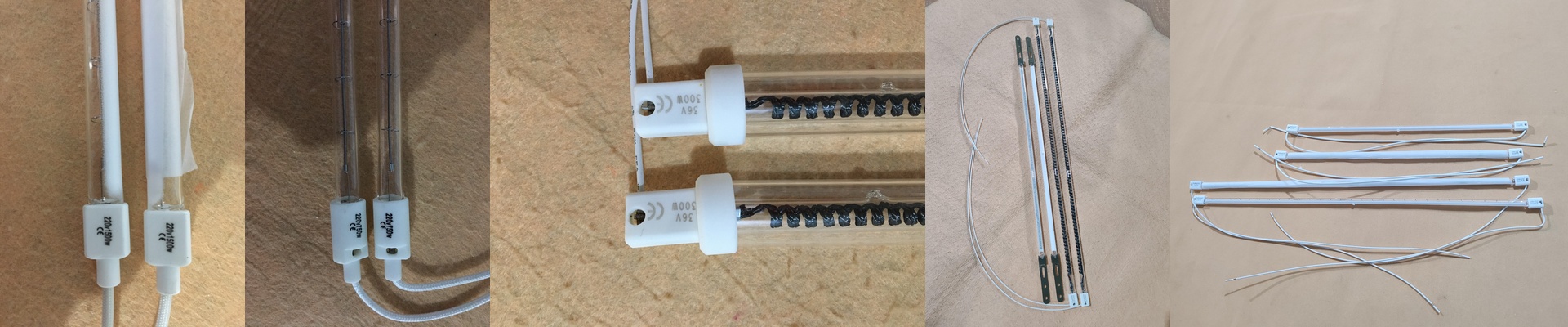
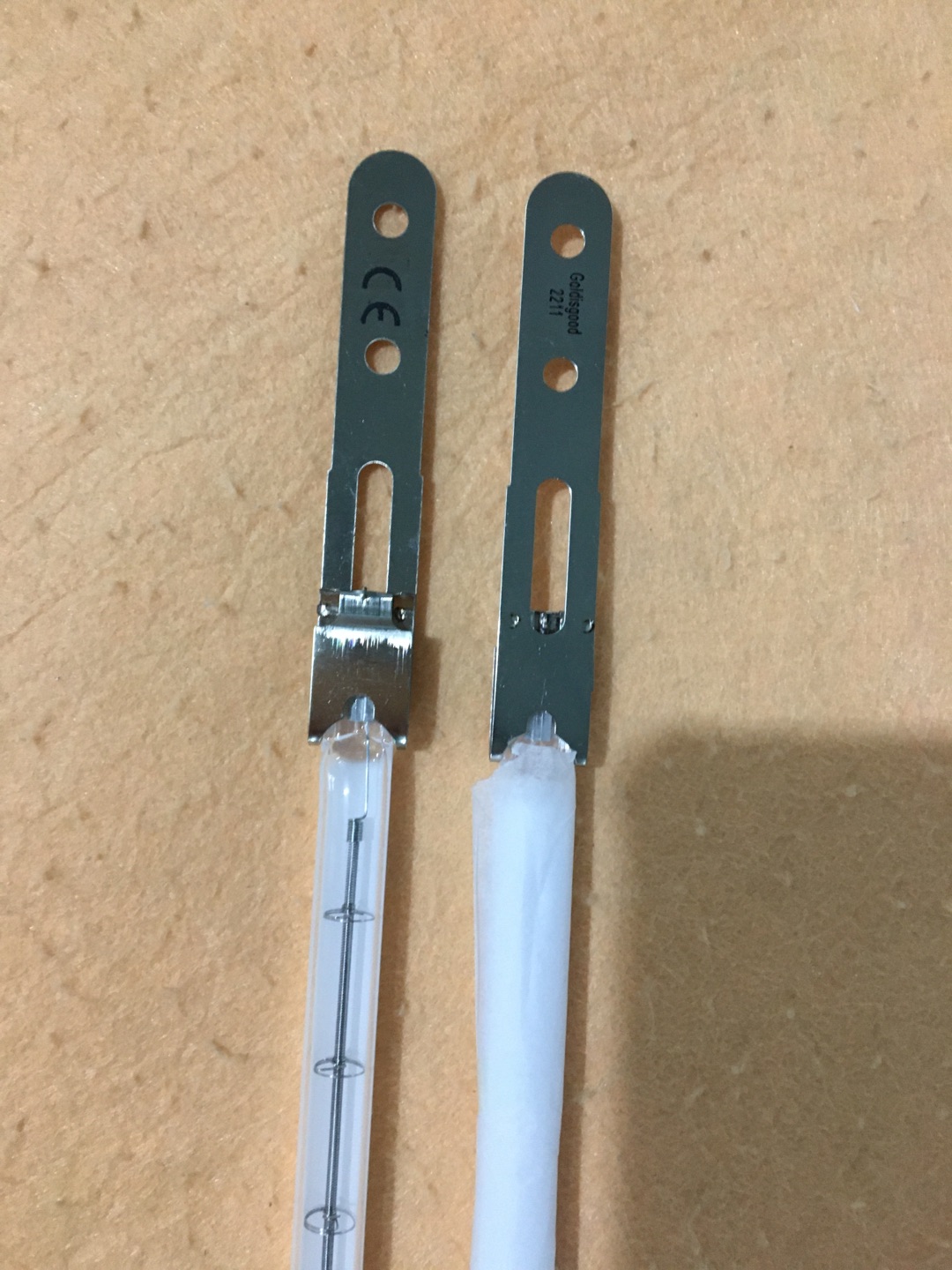
The quartz tube is the heart of the whole thing. We can do clear quartz if you want the heat to fly straight through, or we can use coated versions. The coated ones are interesting because they bounce certain IR bands back into the filament, which cranks up the surface temperature. As for the wiring, we stick with R7s or Sk15 connectors. Why? Because they just work. They’re drop-in replacements for most industrial ovens, meaning you can swap a lamp on the shop floor in a few minutes without having to rewire the whole array. We also use heavy-gauge leads. You don’t want your wires getting hot at the contact point—that’s a recipe for trouble.
Where This Actually Matters
You’ll see these in PET blowing, powder coating, and automotive drying lines. Shortwave IR is great because it sinks into plastics and coatings much faster than medium-wave options. It’s fast. Really fast. And that changes everything for your cycle times. You hit full temperature in seconds. Just a heads-up: because the heat density is so high, things can scorch if your conveyor belt slows down for a second. Keep a close eye on your PID controllers and keep them tuned.
- Halogen
- Infrared
- Shortwave
- Quartz
- Industrial Heating
- Emitters
- 1600w 240v R7s Replacement Infrared Lamp Glass Heating Tube Halogen Lamp for Pet Blowing Machine
- 220v-2000w-Half-White-Coating-Infrared-Quartz-Heat-Lamp-With-Sk15-for-Pet-Blowing-Machines
- High-Quality-Heating-Lamps-800w-Clear-Tube-Infrared-Halogen-Heat-Lamp-for-Dominican-Republic-Pet-Blowing-Machine
- 220v 2000w Half White Coating Infrared Quartz Heat Lamp With Ce for Pet Blowing Machines
- 2500w 2000w 1500w 240v R7s Half White Plated Halogen Ir Infrared Heat Lamp for Pet Blowing Machine
- 2500w-400v-R7s-Coated-Ir-Lamp-Halogen-Infrared-Heat-Lamp-for-Pet-Bottle-Blowing-Machine
- Sk15 Shortwave Infrared Emitter Ir Lamp Heater for Blowing Machine
- 350mm 220v 2500w Halogen Infrared Heat Lamp for Pet Blowing Machines
- Pet-Blowing-Machine-Heating-1500w-Ir-Heater-Clear-Tube-Infrared-Halogen-Heat-Lamp
- 2500w-400v-Sk15-Ir-Heater-Lamp-Half-White-Halogen-Infrared-Heat-Lamp-for-Pet-Bottle-Blowing-Machine