Shortwave vs. Medium-wave: Which IR Lamp Actually Works for Your Fabrics?
If you’re setting up a drying line, you’ll probably hit a crossroads: shortwave (SW) or medium-wave (MW) quartz lamps. Here’s the thing—neither one is “the winner.” It all comes down to how your specific fabric likes to soak up heat.
Getting into the fibers
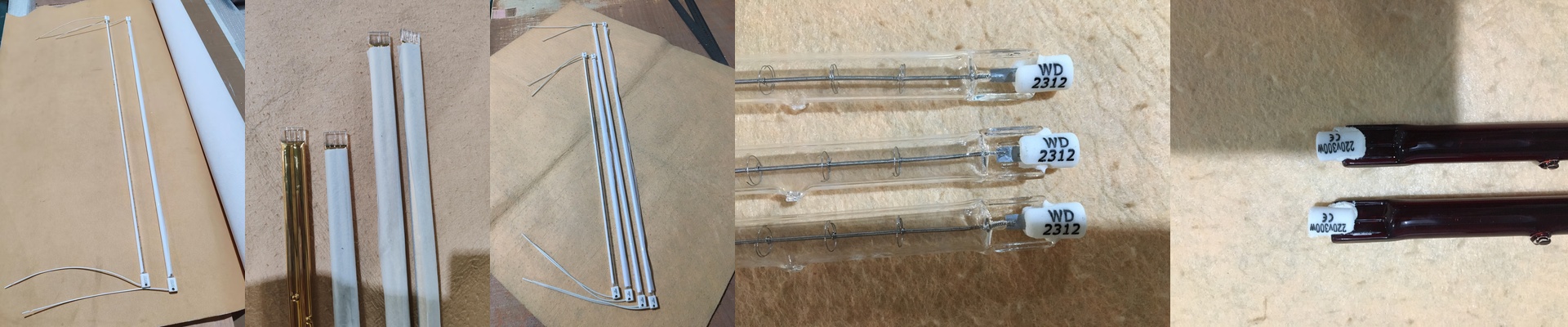
Think of shortwave lamps as the heavy hitters. They run hot and punch deep. If you’re dealing with thick piles or heavy-duty denim, this is what you want. It drives the moisture out of the core of the material fast, so you aren’t left with a damp center. Medium-wave is a different story. It stays closer to the surface. This is your best bet for thin synthetics or special coatings. You just want to dry the top layer without ruining the fabric underneath. Try using a shortwave lamp on thin polyester and you’ll likely melt your fibers before the surface even feels dry. Not a great look.
The gear inside
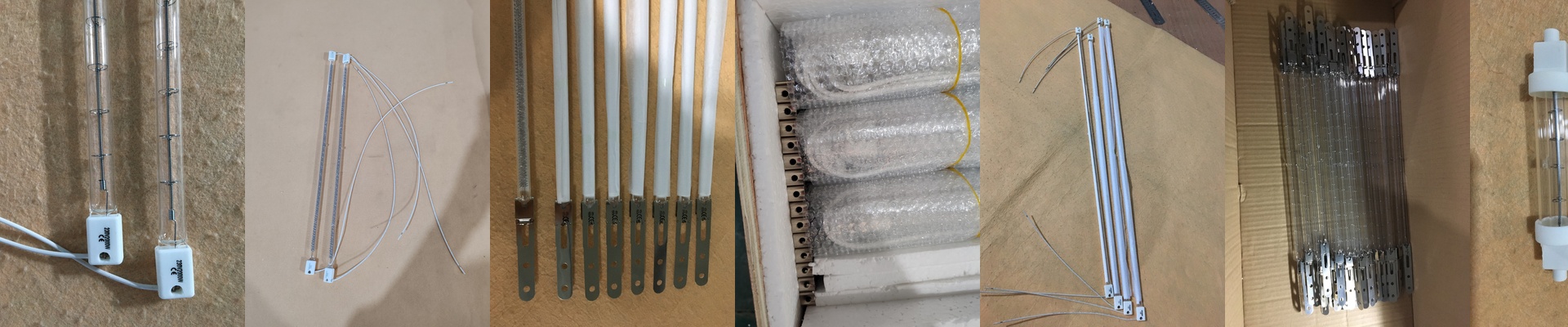
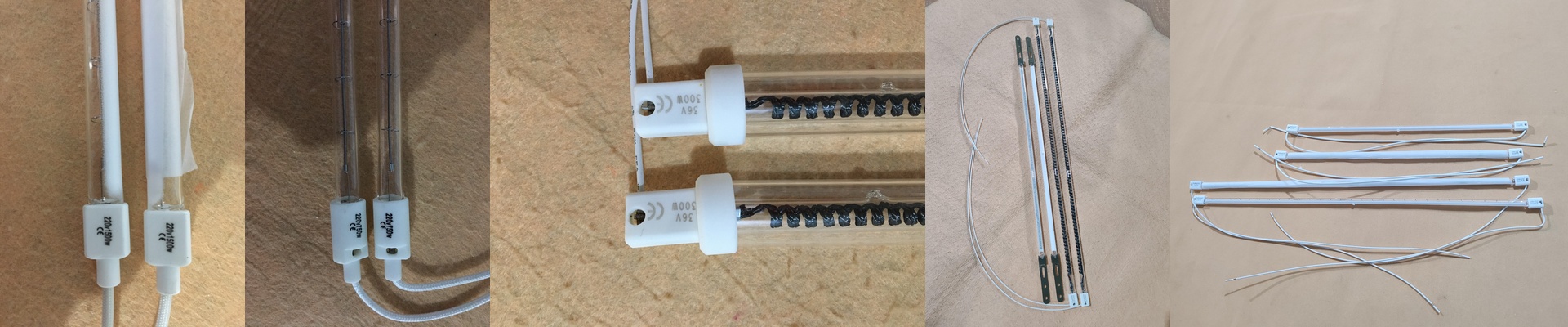
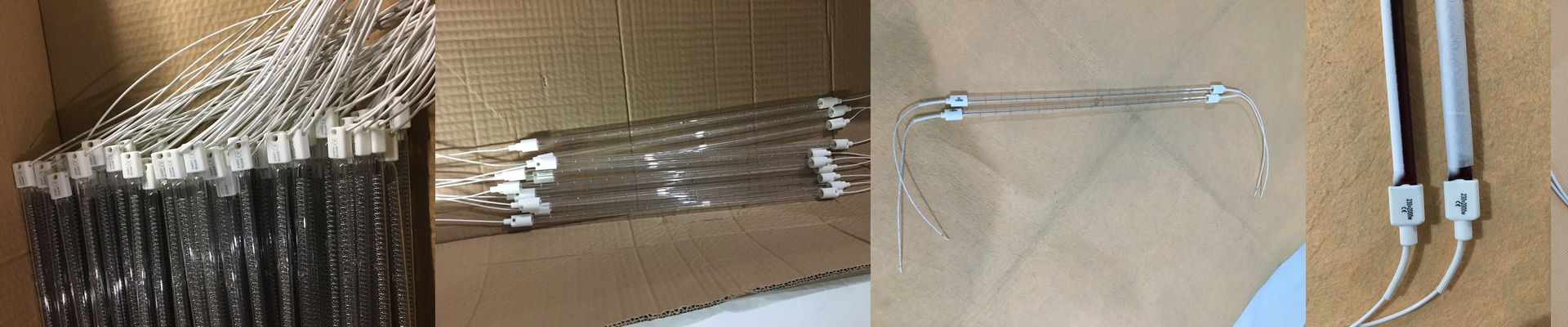
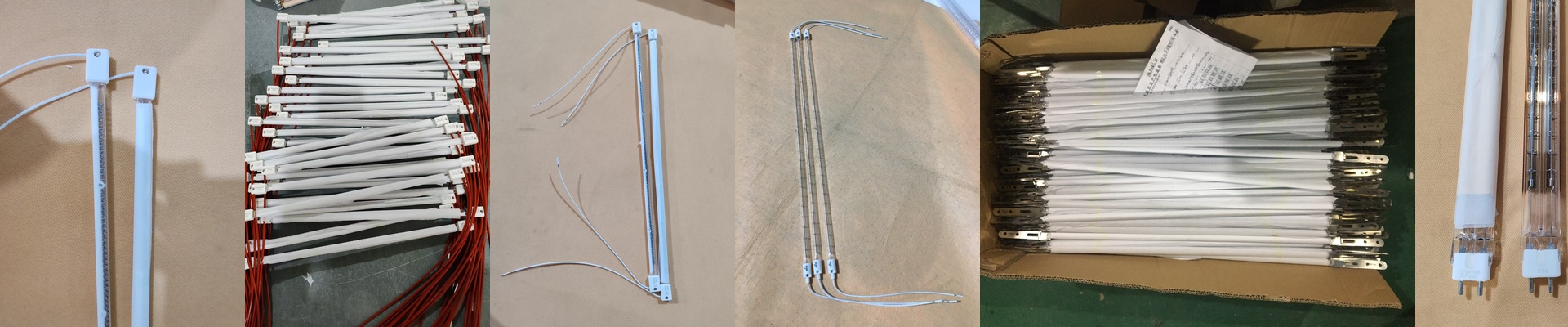
We use high-purity quartz for these lamps because the heat is intense. It has to handle “thermal shock”—basically, the stress of heating up and cooling down quickly without the tube just snapping. Now, if you’re running a high-output line, you might be tempted to crank up the wattage density. Just be careful. Pushing more power into a shorter tube puts a massive load on your lamp holders. If your wiring isn’t up to the task, you’ll be replacing burnt-out connectors long before the lamp itself ever dies.
The day-to-day trade-offs
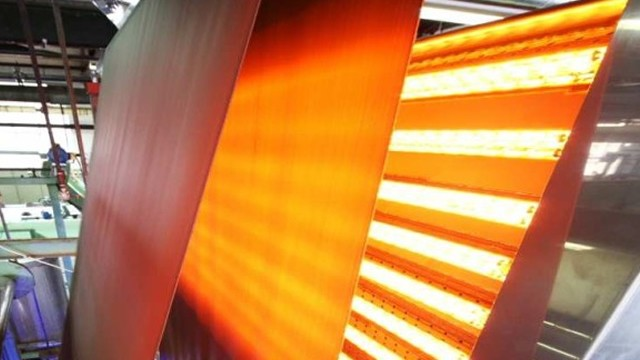
Shortwave lamps are almost instant. You can flip them on and off in a cycle to save a bit on the power bill. Medium-wave takes its time to warm up. Because of that, you’ll probably just leave them running. Just keep in mind that this creates a steady “heat soak” around your machine. At the end of the day, just match the wave to the thickness. If you try to dry a heavy wool blanket with a medium-wave lamp, the middle is going to stay damp. You’ll end up slowing your line speed to a crawl just to get it dry, and that’s a nightmare for your productivity.