Getting the Heat Right in Your Bruckner Systems
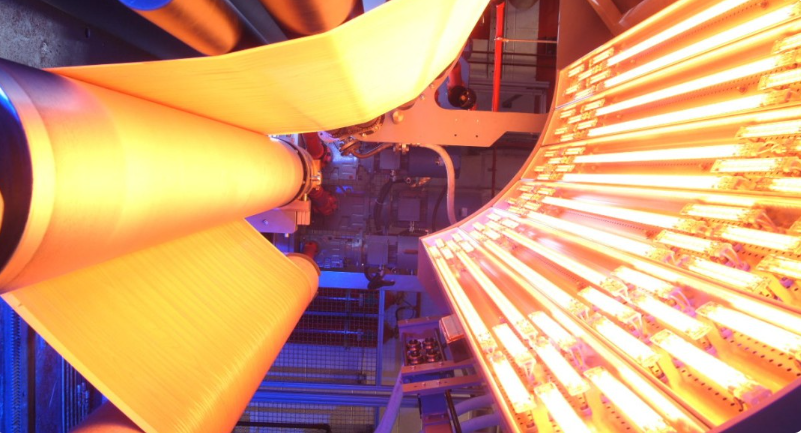
When it comes to heating a substrate, most people think it’s just about cranking up the energy. But if you’re running high-throughput textile lines—especially with Bruckner gear—it’s more of a balancing act. You want the heat to hit hard, but you can’t afford to fry the fibers. That’s why we focus on targeted IR radiation. It’s not just a technical choice; it’s how you stop wasting money and energy.
Why Shortwave IR Actually Works
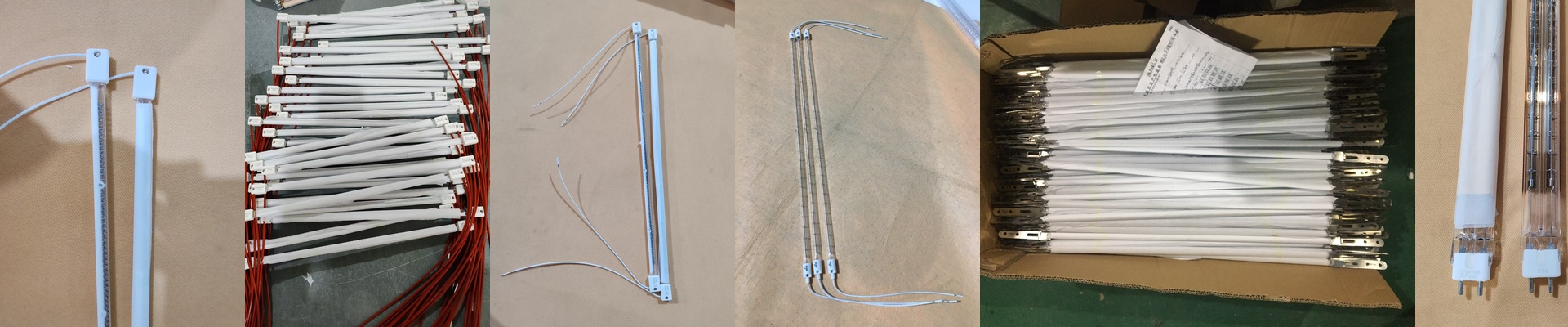
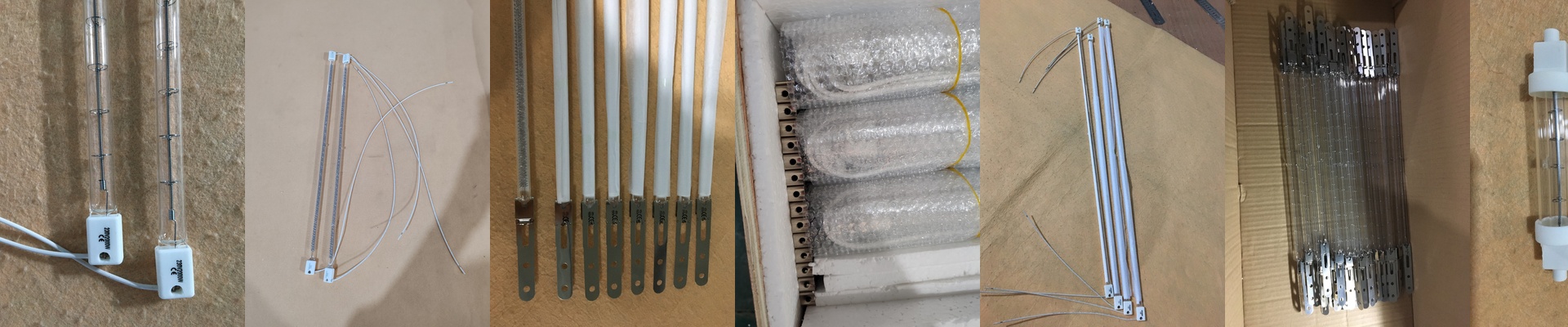
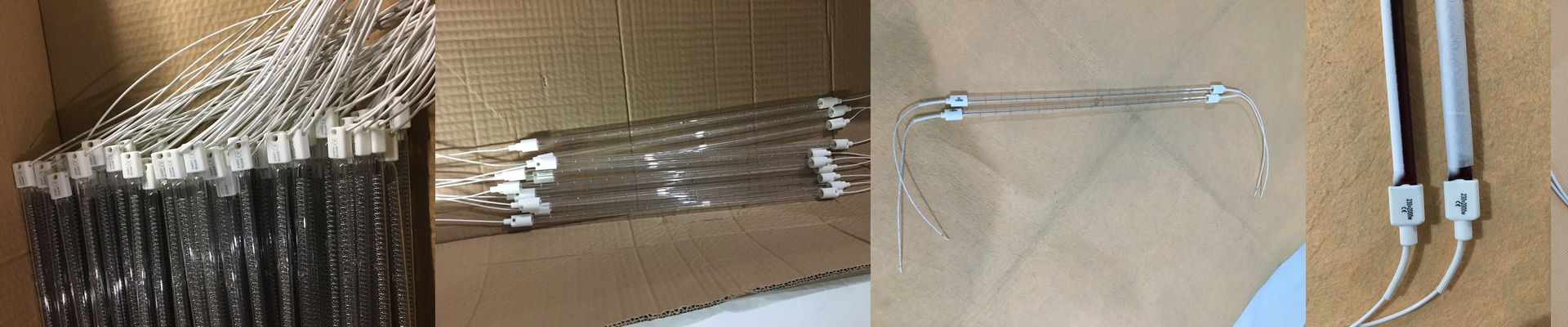
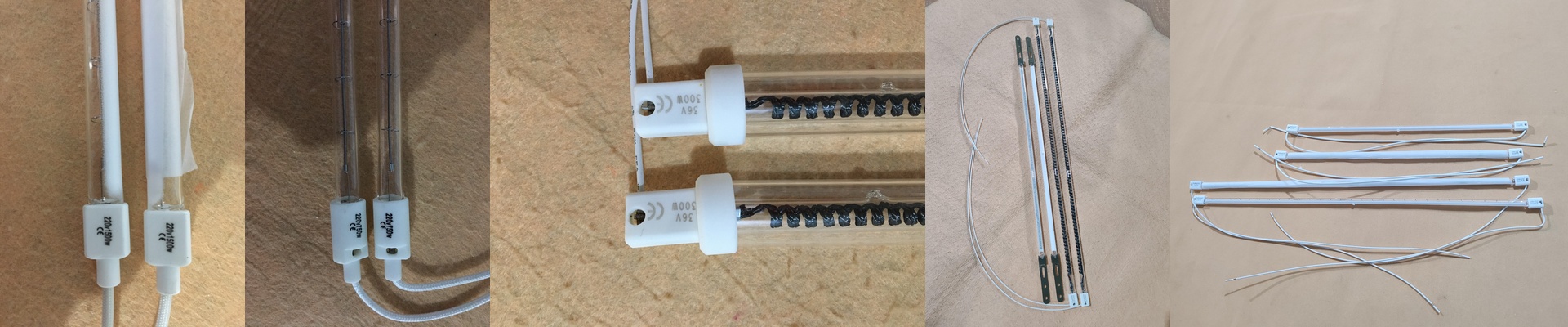
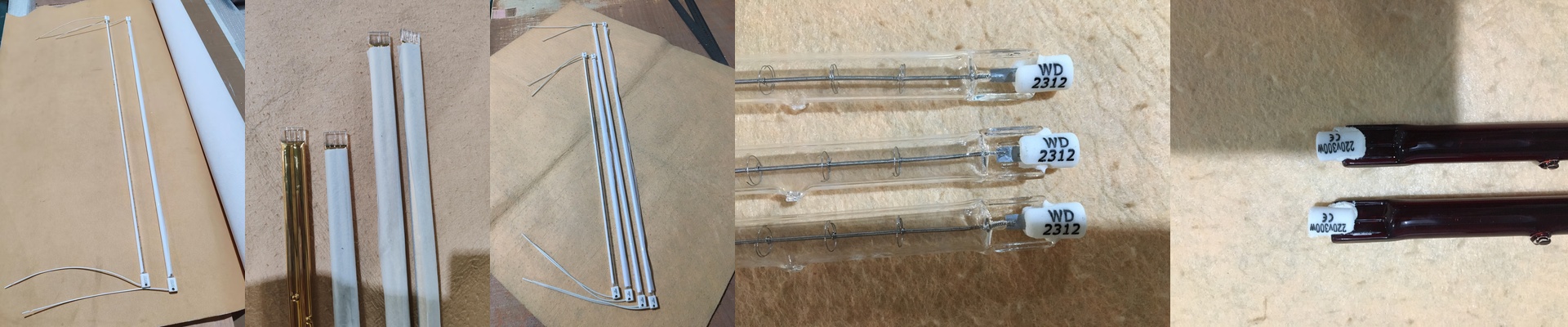
We use shortwave IR lamps because they don’t just sit on the surface of the fabric. They dive deep into the weave, hitting the core of the material. The result? You get the moisture out way faster. You don’t have to leave the fabric in the oven nearly as long, which keeps your line moving. To keep the heat consistent across the whole width of the web, we lean on high-wattage quartz tubes. Now, running these at high voltages gives you the industrial power you need, but it’s a lot for your power supplies to handle. Just a heads-up: make sure your transformers are actually rated for that wattage. If they aren’t, you’re just asking for your lamps to burn out early.
The Nitty-Gritty: Hardware and Trade-offs
We go with halogen-filled quartz for a reason. The quartz handles the sudden temperature spikes, and the halogen cycle keeps the tubes from turning black over time. They just last longer. If you’re swapping these into an old Bruckner rig, pay attention to the connectors.Fit is everything. A loose R7s or Sk15 connection isn’t just a nuisance—it creates a hot spot. And that hot spot will melt your socket long before the lamp even has a chance to fail. We keep our dimensions tight so they drop right in without you having to fight the wiring.
Saving Energy Without the Fluff
Sustainability in this business isn’t about some “green” buzzword or a fancy lamp. It’s simply about wasting less heat. By tuning the IR wavelength to match the fabric, we stop heating the air around the product and start heating the product itself. You’ll see it in your kWh per meter. The only catch? These lamps run hot. Really hot. If your cooling blowers aren’t up to the task, you’ll end up warping your reflector plates. Keep them cool, and you’re golden.