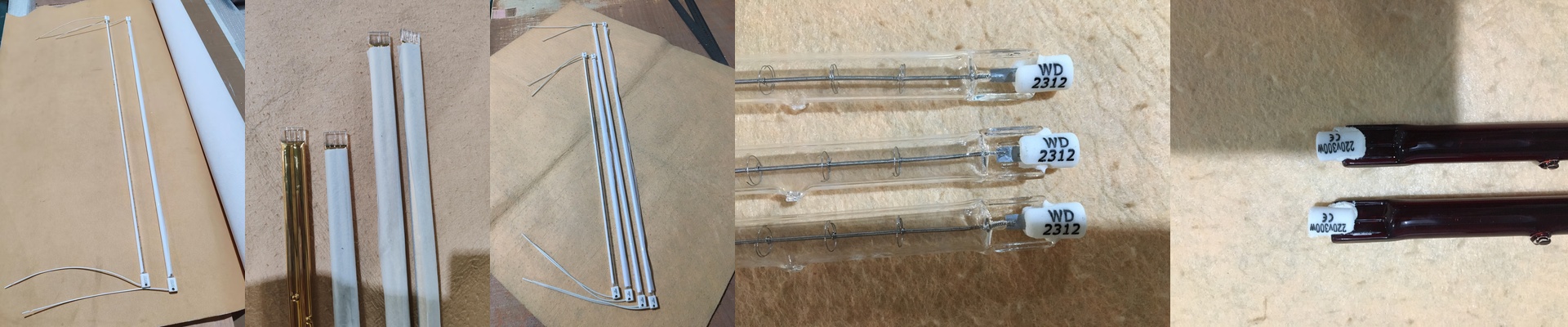
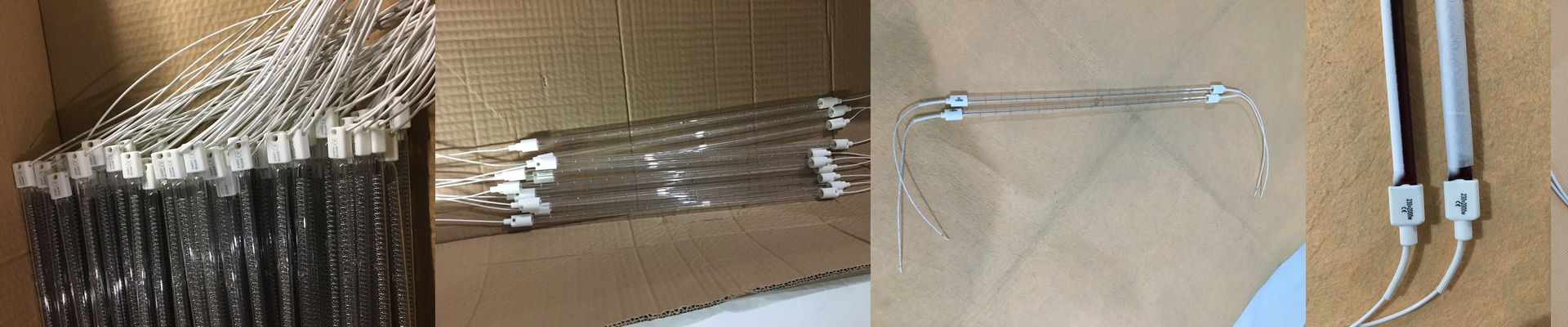
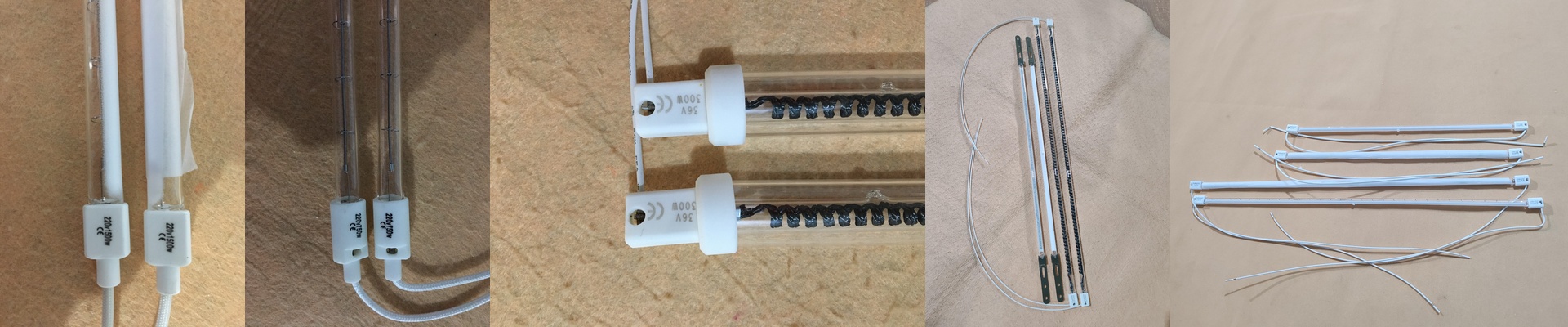
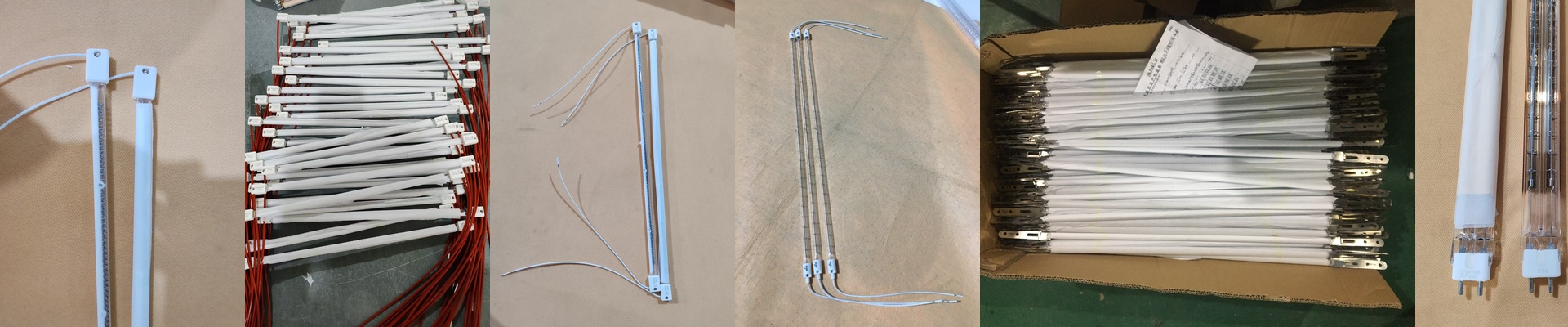
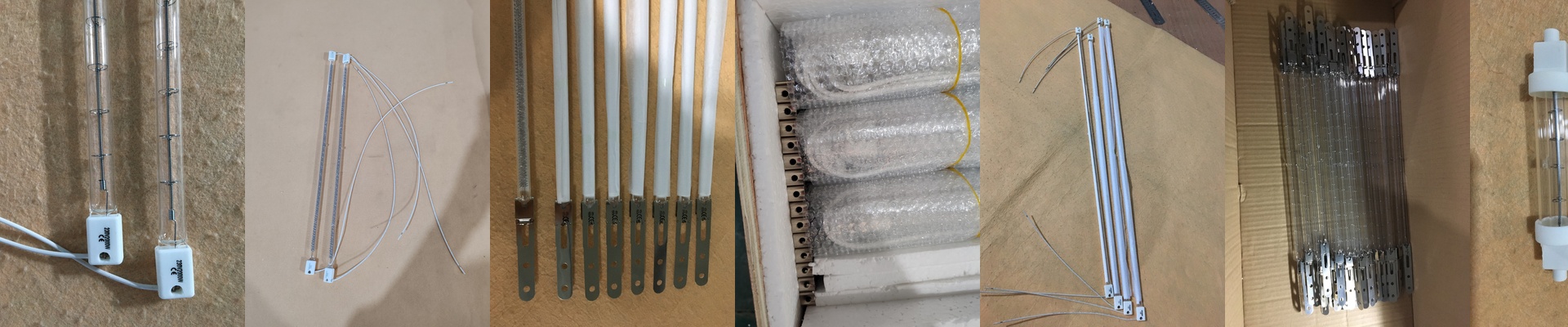
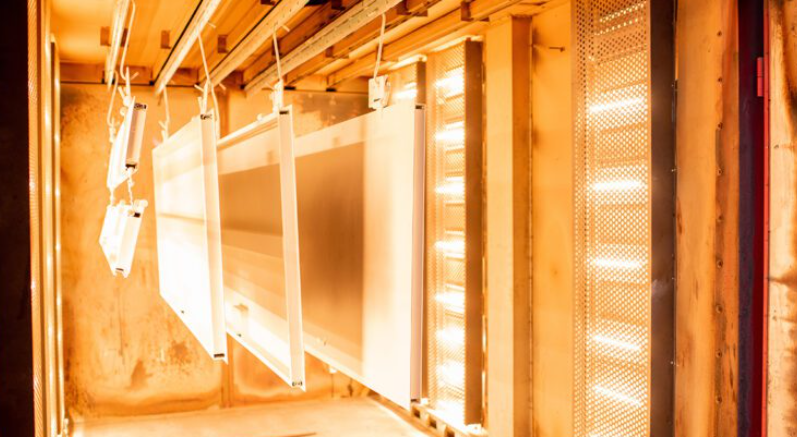
If you want to actually hit zero-waste goals in powder coating, you can’t just put out a few more recycling bins. That’s just window dressing. The real waste happens way earlier—right when you’re picking out your heating elements. When your lamps keep burning out or heaters fail every few months, you’re stuck in this frustrating loop of downtime and scrapped material. It’s a headache. We think the only way to break that cycle is to build stuff that actually lasts. Why things usually break Most coating lines fall apart because of thermal shock or just plain bad heat distribution. It’s a common story. To fix this, we use heavy-wall quartz and some specific coatings to keep that infrared output steady. By spreading the thermal load across a bigger surface area, we stop those filaments from spotting and dying early. It keeps the cure cycle rock solid. If you’re running 24/7, this is huge. It stops that annoying “temperature drift” that usually leads to a pile of rejected parts and wasted powder. The catch with high-density heat Now, we can cram more wattage into a smaller space to speed up your cure times. But there’s a trade-off. High heat density puts a lot of stress on your electrical connectors and the lamp housing. If you don’t have your ventilation dialed in for the actual BTU output, those components are just going to fry. It doesn’t matter how well the element is built; if the housing gets too hot, the lifespan plummets. Shrinking the footprint When your elements last longer, you aren’t tossing quartz and metal scrap into the bin nearly as often. We also make these systems modular. If one zone goes sideways, you can just swap that part out without tearing the whole oven apart. It keeps the line moving. Plus, you don’t have to waste a massive amount of energy reheating a cold oven from scratch. Stop thinking of your heaters as consumables that you just replace and throw away. Start treating them like the long-term infrastructure they are.