Stop Guessing Your Cure Times
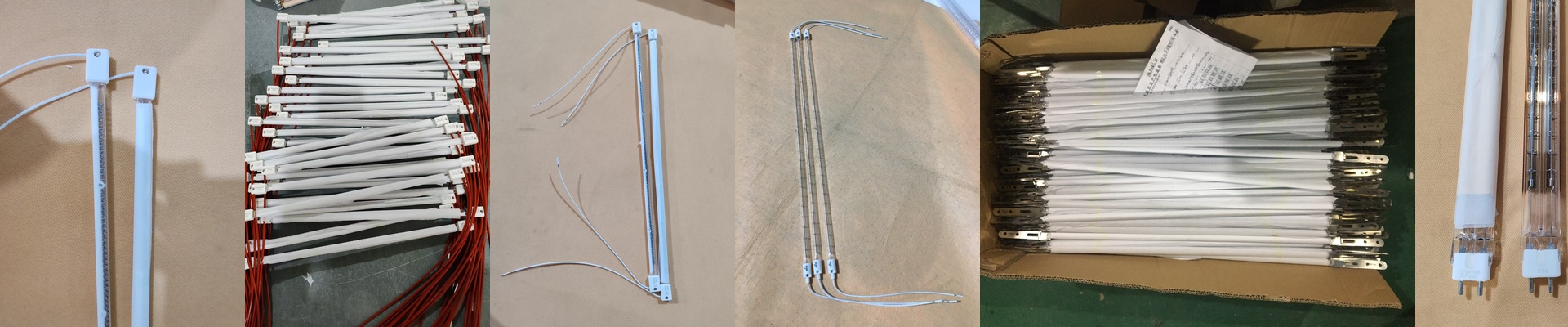
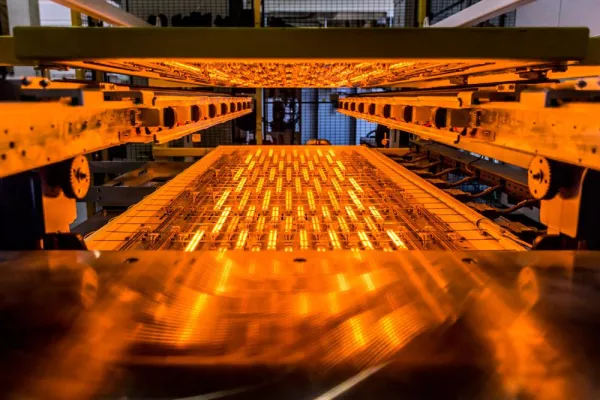
When you’re working with tight margins in a coating shop, time is basically money. Every extra minute a part spends in the oven is just wasted energy and a bottleneck that slows everything down. Most people just trust the oven’s thermostat, but that’s a mistake. The air temperature doesn’t tell you what’s actually happening to the part. That’s where curing time recorders—thermal profilers—come in. They take the guesswork out of the equation. How IR actually works Infrared is different. It doesn’t just warm up the air; it hits the substrate directly. The surface gets hot fast. Really fast. With a recorder, you can see exactly when the coating hits that “gel point” and when it’s fully cured. You stop wondering if it’s done and start knowing the exact second that part needs to come out. Pushing your line speed Let’s be honest: most shops run their belts way too slow. Why? Because nobody wants to deal with the nightmare of under-curing a whole batch. But here’s the trick. Stick some thermocouples on the coldest spots—the edges or those annoying recessed corners—and watch the data. If you see you’ve got a two-minute safety buffer, you’re just wasting time. Speed up the conveyor. You’ll get more parts out the door every day without spending a dime on new machinery. Watch out for the “burn” Of course, you can’t just crank it to eleven. High-efficiency IR can be aggressive. Since the energy is so concentrated, you risk scorching the surface before the core even gets warm. It’s a balancing act between your wattage and how far the lamps are from the part. If your recorder shows a massive, steep spike right at the start, you’ve got a problem. Dial back the power or bump up the belt speed before you start burning your finishes. Stop relying on a kitchen timer. Put these recorders into your QC routine and start moving your parts based on what’s actually happening to the metal.