Making the Math Work: Infrared Curing in Powder Coating
When you’re working in a low-margin business, overhead is the thing that keeps you up at night. Most shops I know are still using those massive convection ovens. They’re basically giant heaters that warm up the entire room just to cure a handful of parts. It’s a waste. We do things differently by moving the heat closer to the metal. High-efficiency infrared (IR) curing hits the powder directly. We’re talking about dropping your cure times from 20 minutes down to about 3.That’s a massive difference in your day.
Getting More Through the Line
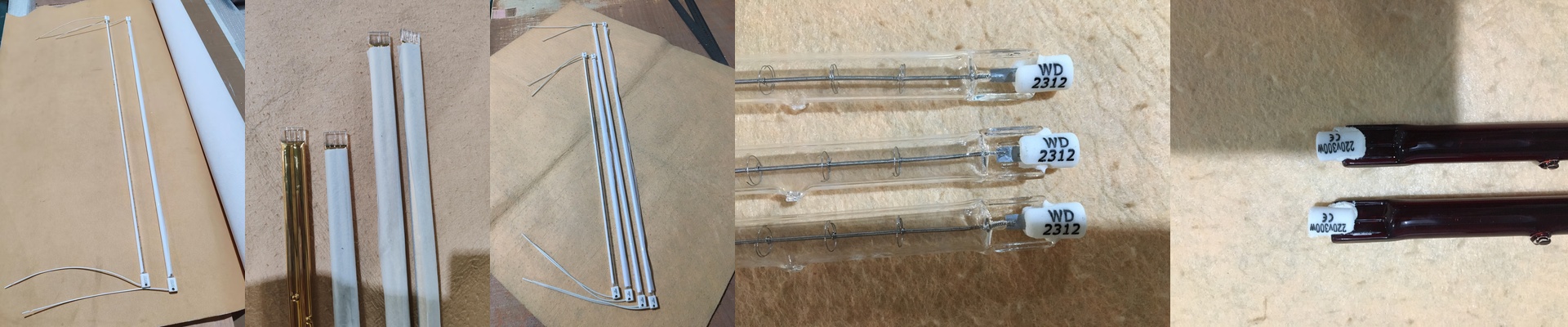
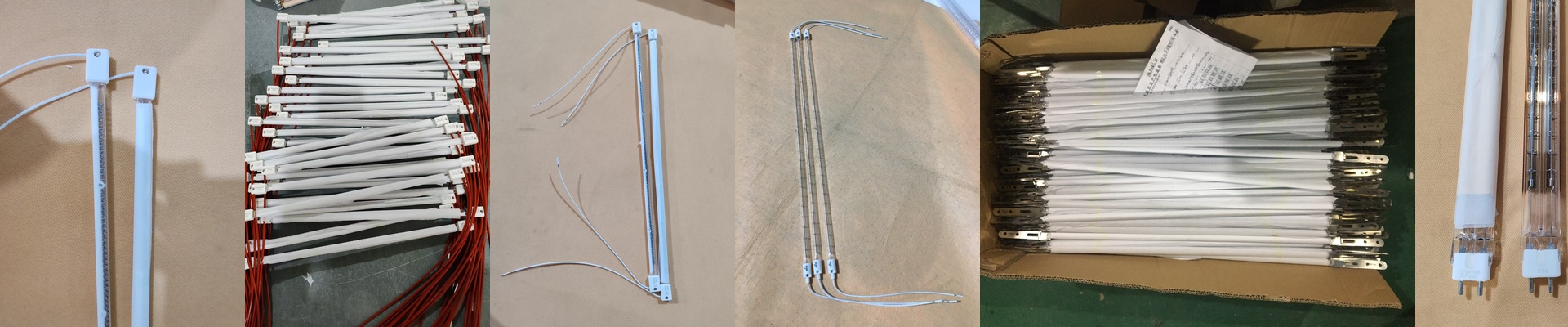
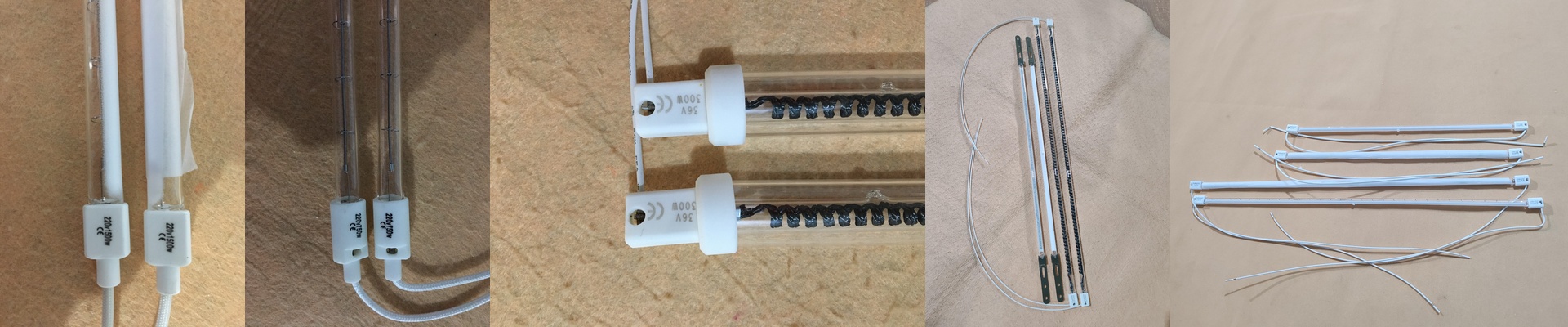
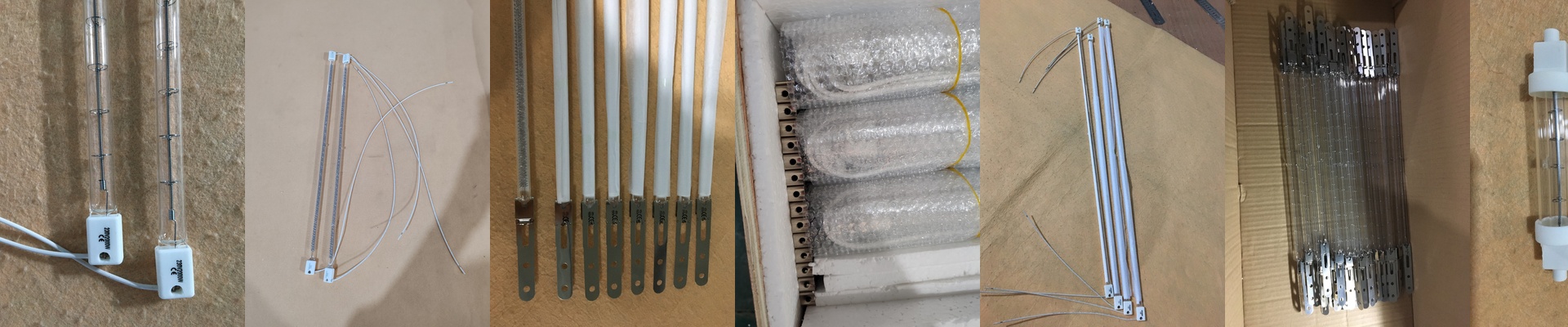
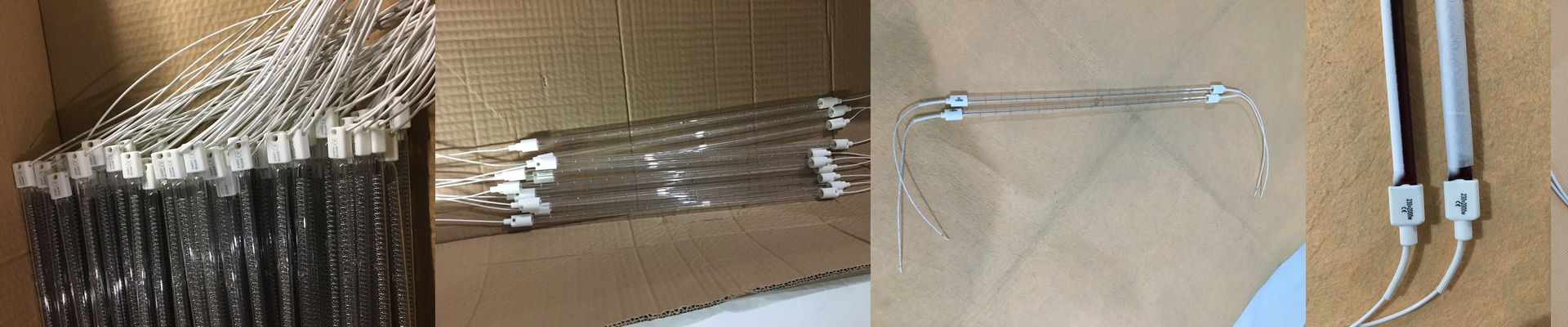
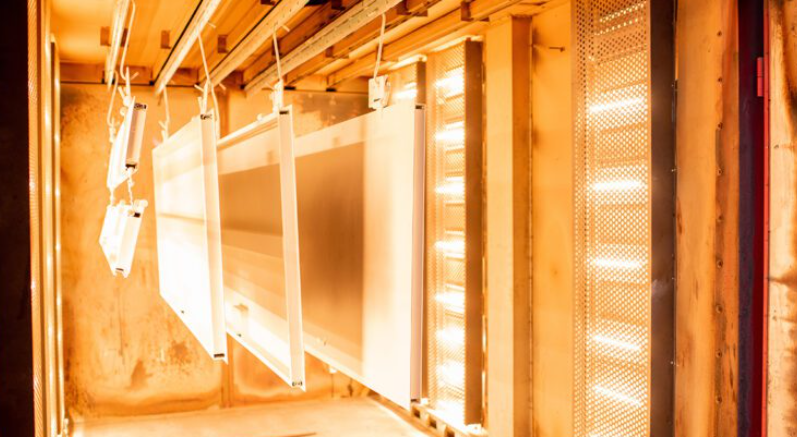
Convection is all about moving air, but IR is about radiation. We use short-wave emitters that punch right through the powder layer to hit the metal surface. It cures from the inside out. You end up with a tougher finish and a line that moves way faster. Plus, it shrinks your footprint. Imagine swapping a 30-foot oven for a 10-foot IR tunnel. Suddenly, you’ve got a huge chunk of your shop floor back for more production lines.
The Power Catch
Now, I won’t tell you it’s a free lunch. You’re trading a slow, steady heat for high-density bursts of energy. This means your electrical panels need to be ready for that peak draw. If your wiring is old, you’re going to trip breakers the second those lamps hit full power. It’s a headache you don’t want. I always suggest putting in dedicated circuits to handle how fast those heating elements cycle on and off.
Finding the Sweet Spot
IR is fast. Sometimes, it’s too fast. If your parts have deep pockets or different thicknesses, you might run into “hot spots.” That’s where the powder burns on the edges before the crevices even get warm. It’s a balancing act between how far away your emitters are and how fast your conveyor is moving. Here’s a trick we often use: a hybrid setup. Use IR for the initial flash-off, then run it through a small convection zone to make sure everything is totally uniform. It’s the best way to stop the finish from bubbling on those heavy-gauge steel pieces.