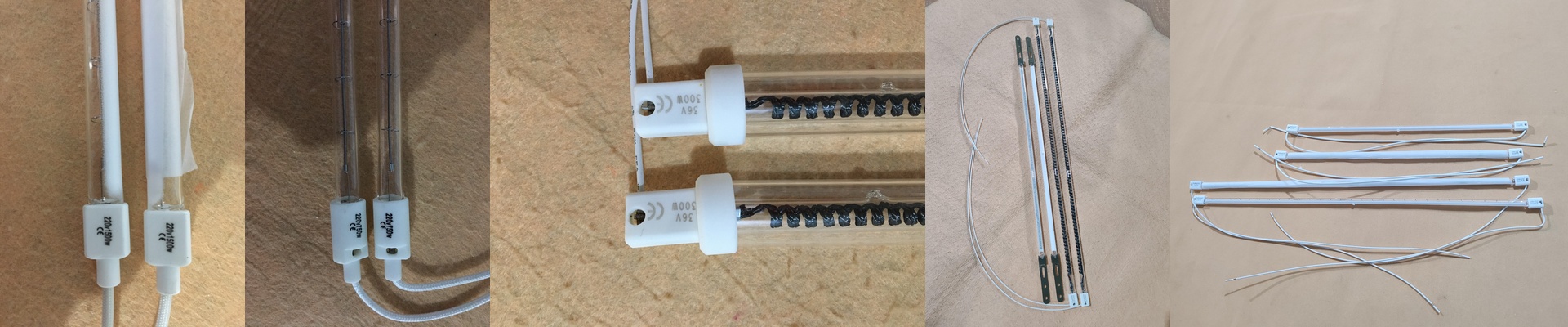
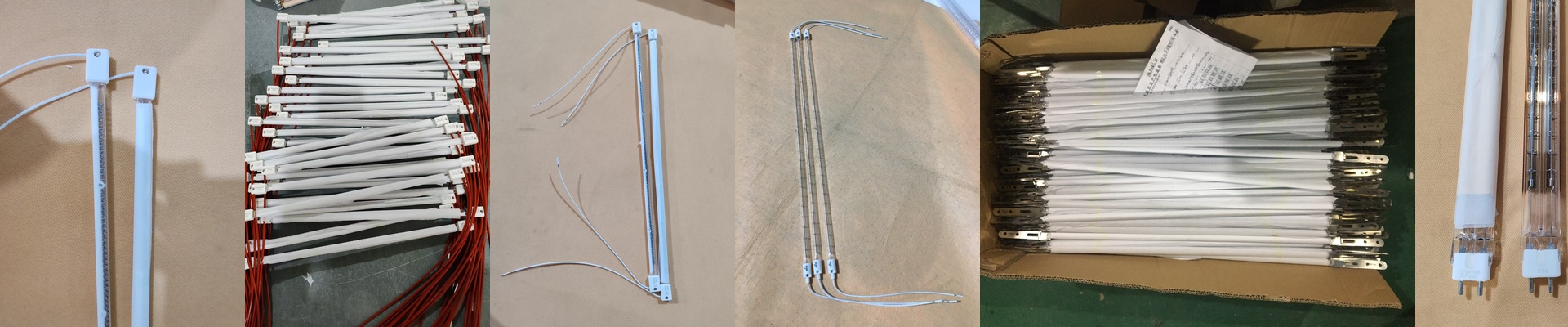
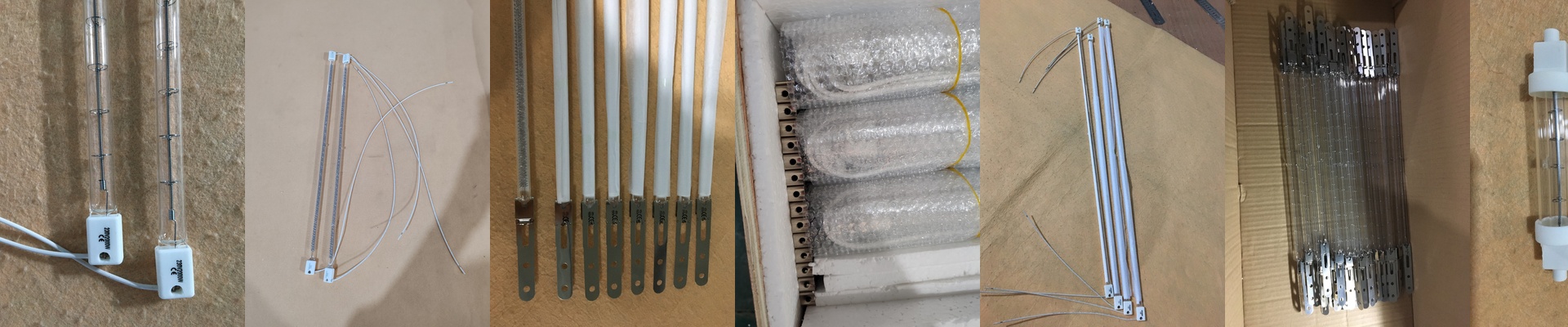
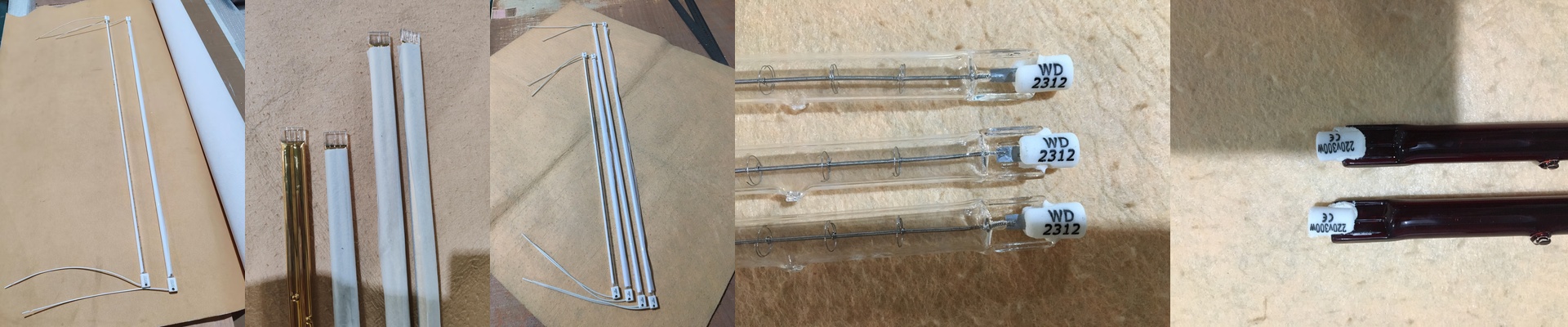
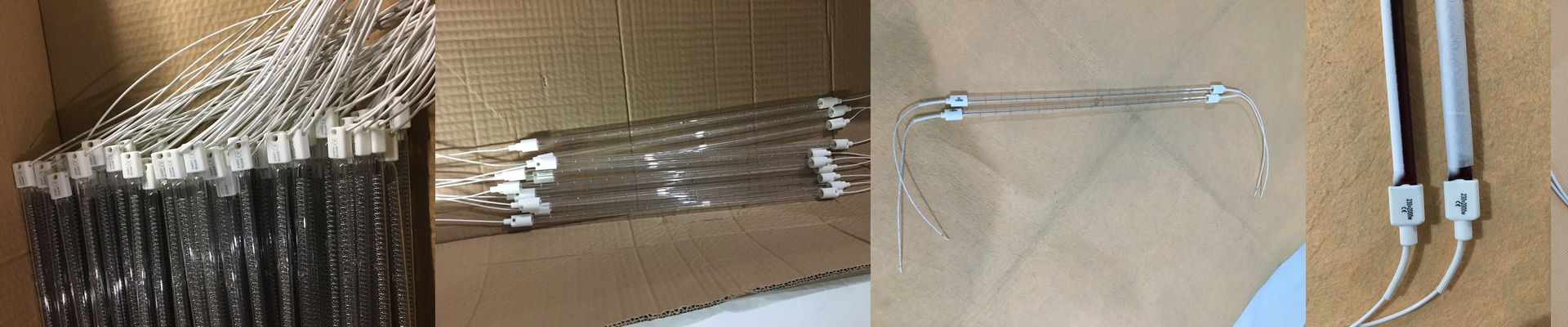
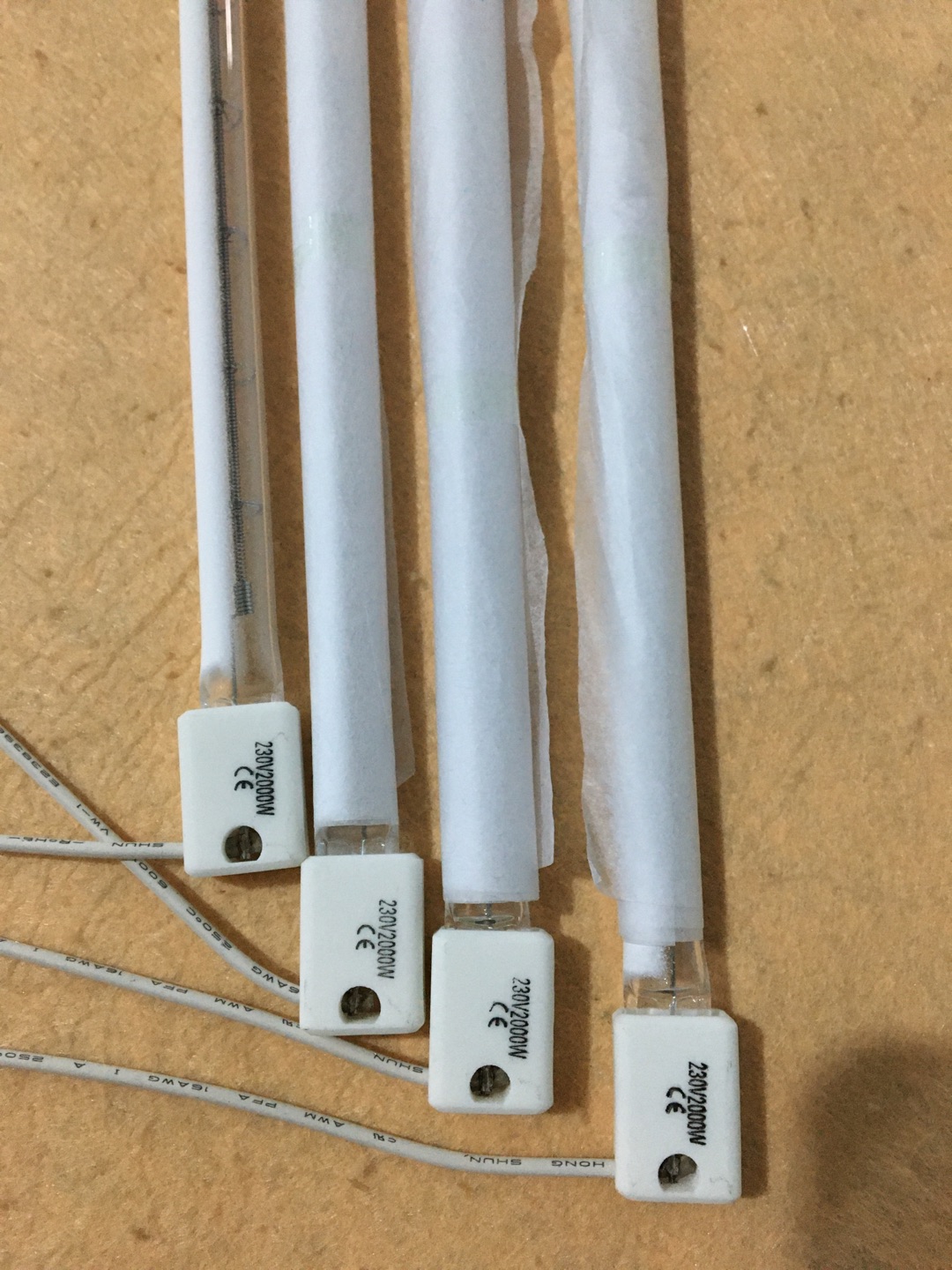
Let’s Talk About the 1000W Halogen Infrared Lamp
We built these lamps for one reason: raw, high-intensity heat. If you’ve used standard resistive heaters, you know they can be a bit sluggish. These are different. We use a tungsten filament tucked inside a quartz envelope and fill the whole thing with halogen gas. The magic happens when that gas pushes tungsten deposits back onto the filament. It keeps the lamp from burning out, even when we crank the temperature way up. The power side of things At 1000W, you’re looking at a massive amount of heat in a very small space. It’s instant. You flip the switch, and boom—you have thermal energy. Because they ramp up so fast, they’re perfect for those tight deadlines where you can’t afford to wait for a machine to warm up. Just a heads-up: if you’re swapping these into an old machine, double-check your current draw so you don’t trip a breaker. And please,keep your reflectors clean. Seriously. A few smudges might not seem like a big deal, but they trap heat. If that happens, your quartz tube could crack, and then you’re starting from scratch. Fitting them in We went with quartz glass because it handles the heat and lets those infrared waves pass right through. You won’t need a bag of weird adapters to get these running, either. We use standard connectors like R7s or SK15. They just slide right into most industrial drying or curing setups. Depending on what you’re heating, we also offer versions with special coatings. This helps the lamp “talk” to your materials better by shifting the light spectrum to a wavelength your product actually absorbs. Where this actually matters You’ll see these doing the heavy lifting in PET blowing, paint curing, and plastic welding. The cool part? The shortwave output doesn’t just warm up the air around the part—it sinks right into the material. It’s a direct transfer of energy. One last tip: since these hit peak temp almost immediately, your control system needs to be snappy. Use a fast-acting PID controller. If your sensors are slow to react, you’ll overshoot your target temperature and end up scorching your workpiece. And nobody wants that.