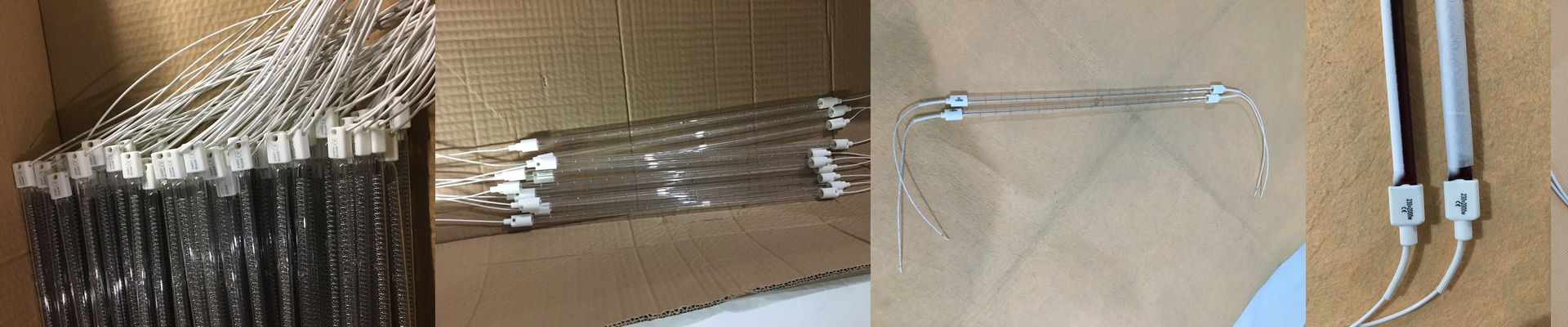
A Real-World Look at Industrial Halogen Heating Lamps
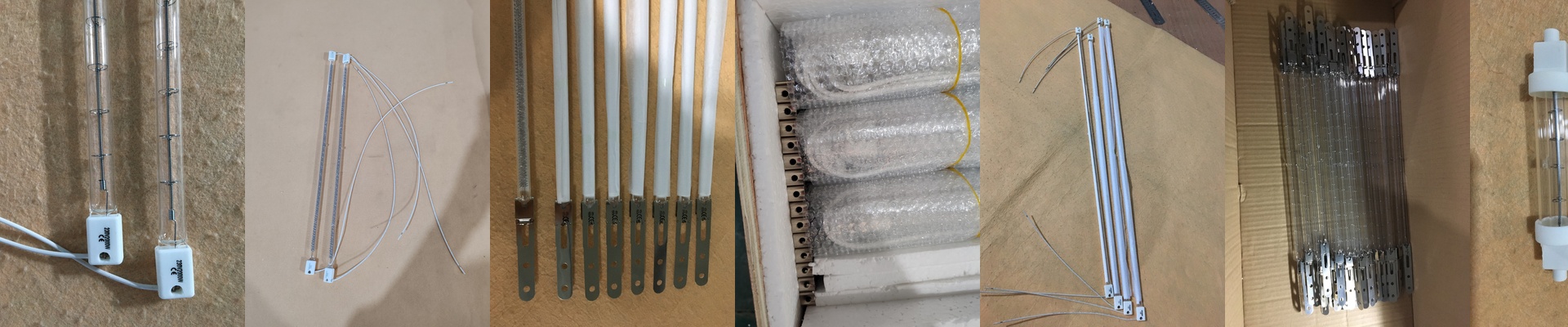
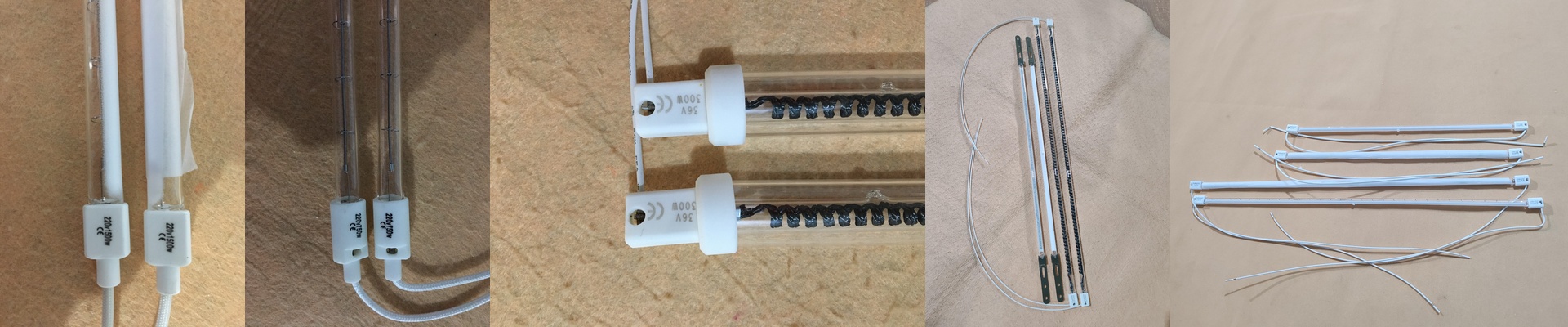
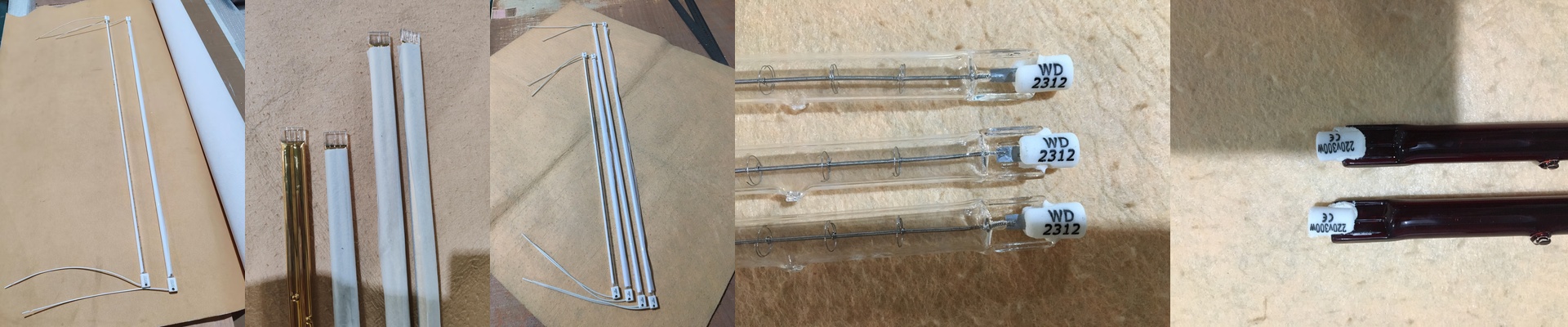
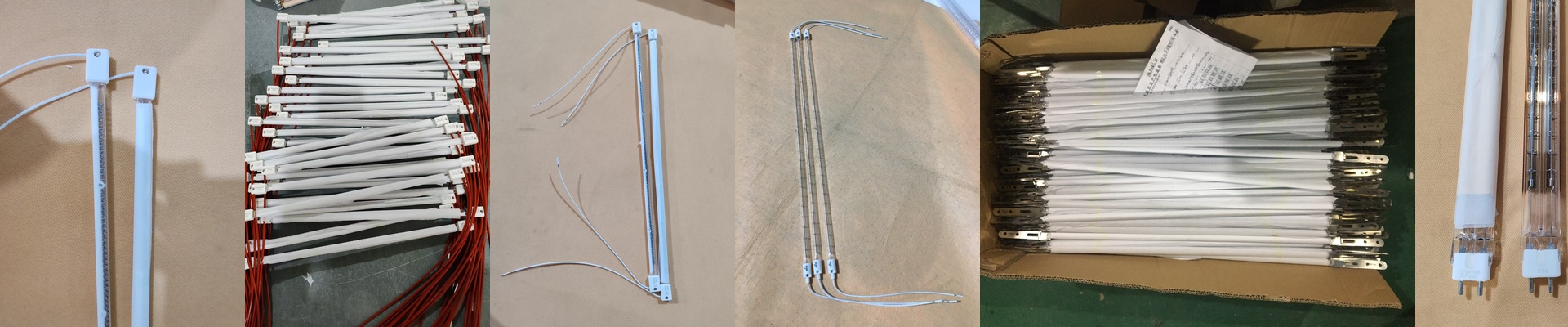
First things first: these aren’t your living room lightbulbs. We design these specifically to shove heat into a material as fast as possible. The secret is the halogen cycle. It stops the tungsten filament from evaporating too quickly, which means you don’t get that annoying black buildup inside the glass. Basically, they last longer and stay brighter. Talking Power and Voltage When you’re picking a lamp, remember that voltage and wattage are what drive your heat flux. If you want more power in a smaller space, you bump up the voltage. But here’s the thing: if you’re using a long tube, you’ve got to watch out for voltage drop. You don’t want the end of the lamp to be colder than the start. And a heads-up—high-wattage tubes getscary hot. If your housing or cooling fans can’t handle that heat, you’re going to fry your sockets. It’s a mess you definitely want to avoid. The Build: Quartz and Connectors We use heavy-wall quartz glass because it can take a beating from extreme temperature swings without cracking. For the wiring, we stick with R7s or SK15 connectors. They’re standard, so they just slide right into most industrial sockets. No need to spend your weekend fabricating custom brackets. Some of our bulbs come with a special coating. This isn’t for looks; it actually bounces certain wavelengths back toward your product. It keeps the heat where it belongs instead of just warming up the air in the room. Putting Them to Work If you’re doing PET blowing or curing plastics, these things are your best friend. They hit full temperature almost instantly, which is huge when you’re running a fast production line. But there is a catch. These lamps are incredibly sensitive. Seriously. If you touch the quartz with your bare hands, the oil from your fingerprint creates a “hot spot.” That spot gets way hotter than the rest of the glass, andpop—it cracks. Always wear gloves. It takes two seconds and saves you from buying a new lamp.