Let’s Talk About Gold-Plated Halogen Tubes
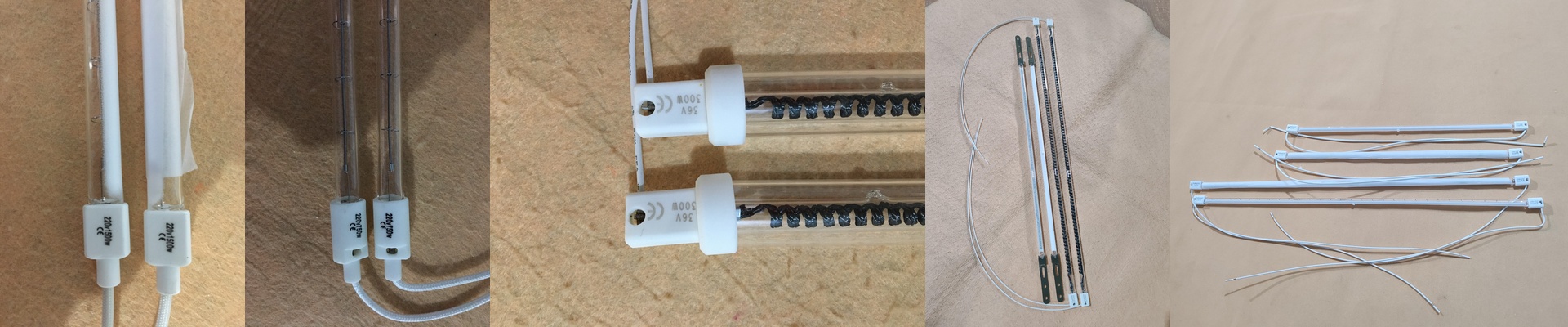
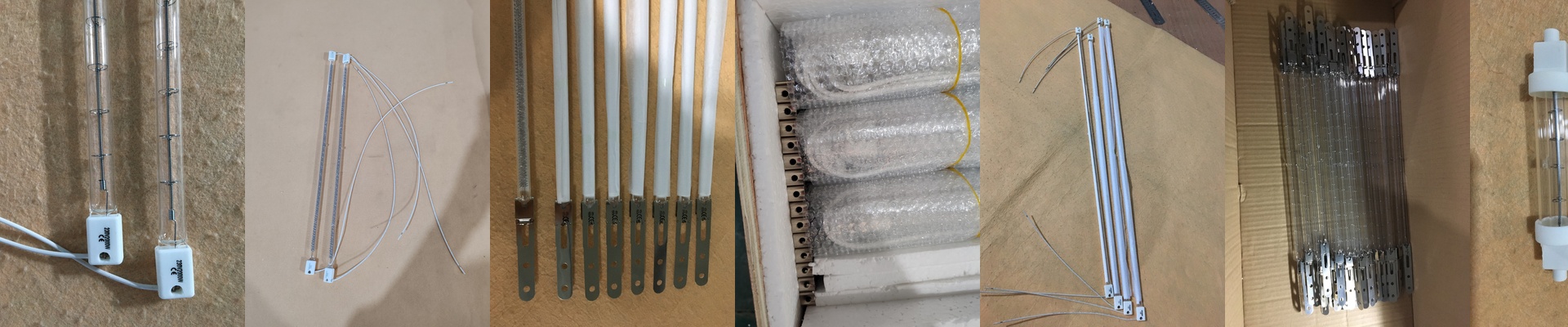
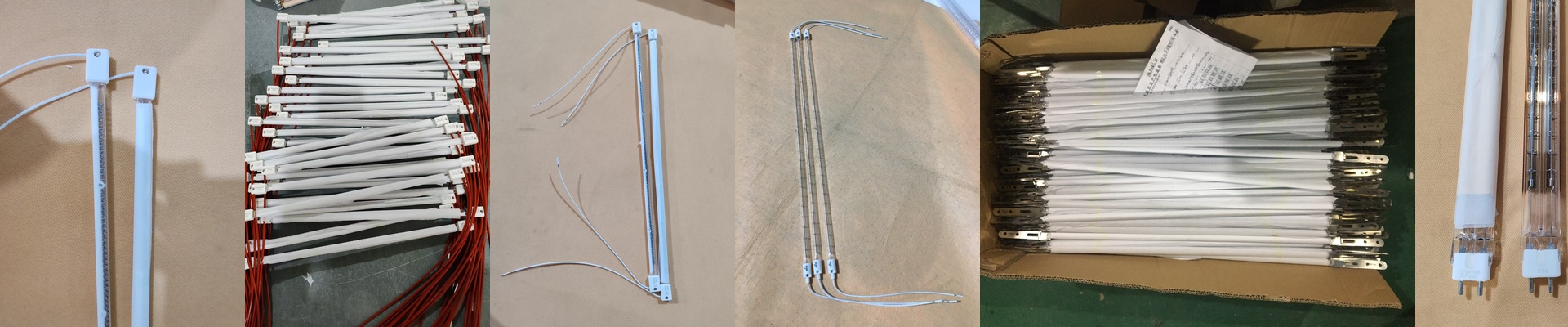
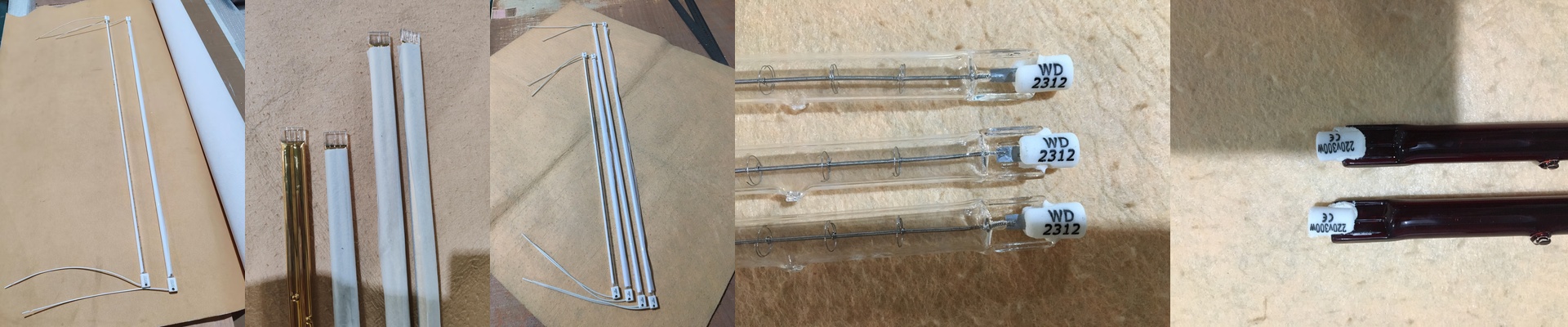
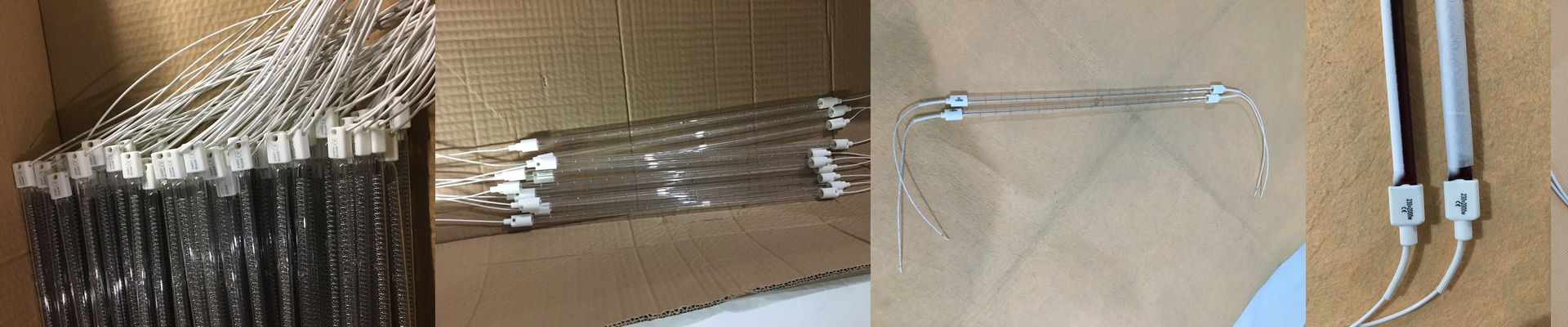
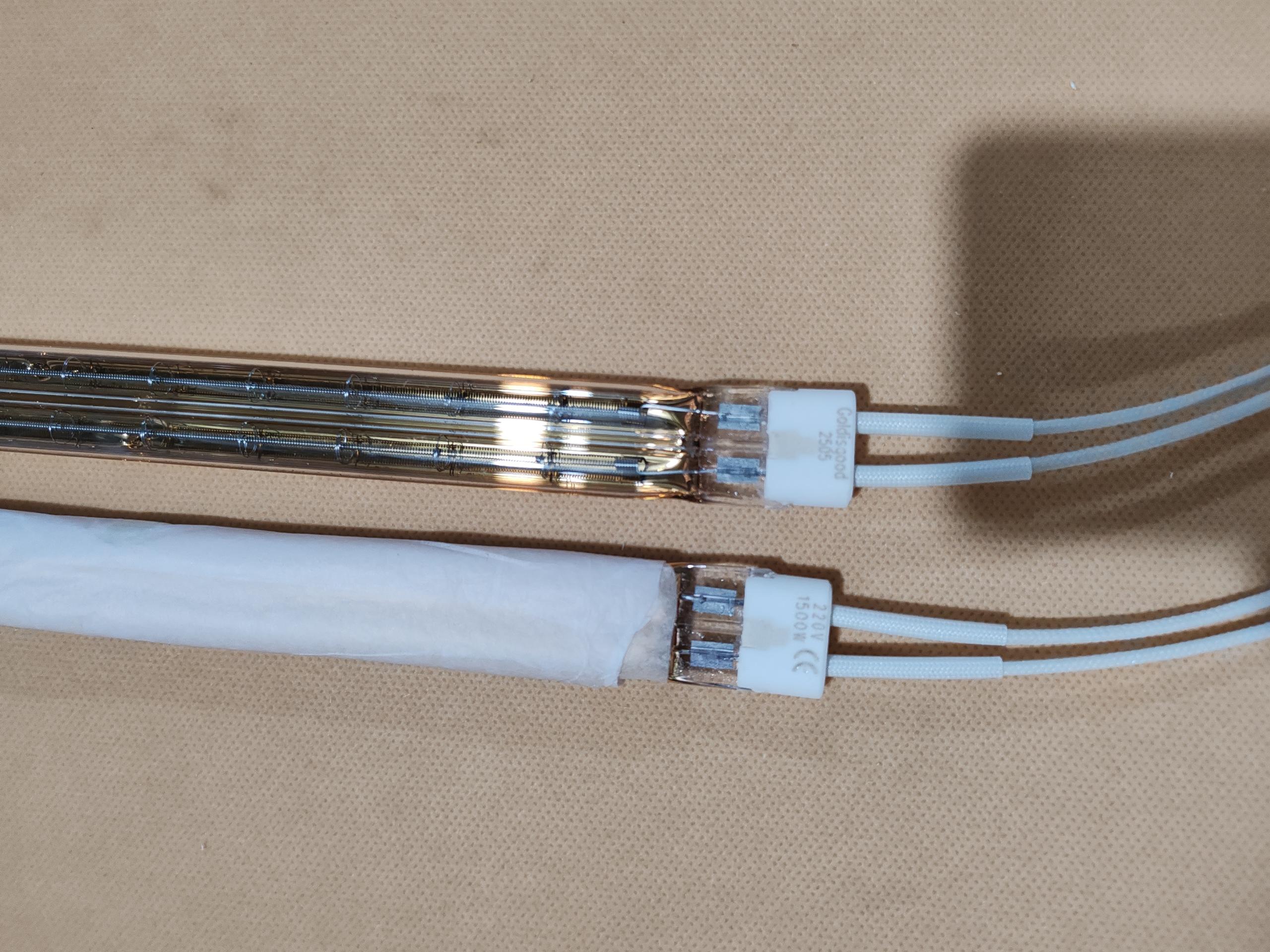
Ever wonder what’s actually happening inside those infrared lamps? It’s pretty simple: we’ve got a tungsten filament tucked inside a quartz tube, all filled with a specific halogen gas mix. The gas is the secret sauce here—it lets the filament get screaming hot without just evaporating into thin air. Why the gold? Here is the thing with standard quartz tubes: they’re leaky. A lot of that precious heat just drifts backward, warming up the back of your machine instead of your part. That’s why we add a thin layer of gold to the outside. Think of it as a thermal mirror. It bounces the infrared radiation straight forward, right where you need it. You get a tighter, more focused beam of heat, which means your parts heat up faster and your cycle times drop. It’s a huge win for efficiency. The magic of the halogen cycle The tungsten filament does the heavy lifting, but it’s a tough job. Without help, the wire would thin out and snap. But because of that halogen gas, a little chemical dance happens inside the tube. It actually grabs the tungsten and puts it back onto the filament. It keeps the wire healthy so your wattage stays steady for the long haul. No sudden drops in power. Getting them installed (and a few warnings) These are basically plug-and-play. Whether you’re dealing with R7s or Sk15 connectors, the wiring is a breeze. But, a word of caution. Because that gold coating is so good at pushing heat forward, the front end gets hot—fast. If your cooling fans aren’t up to the task, you might find your reflectors warping. And please,don’t touch the gold. Fingerprints or a little splash of oil might seem like nothing, but they create “hot spots.” Those spots can actually crack the quartz. If you need to clean them, stick to isopropyl alcohol. It keeps things pristine without leaving stains behind.